
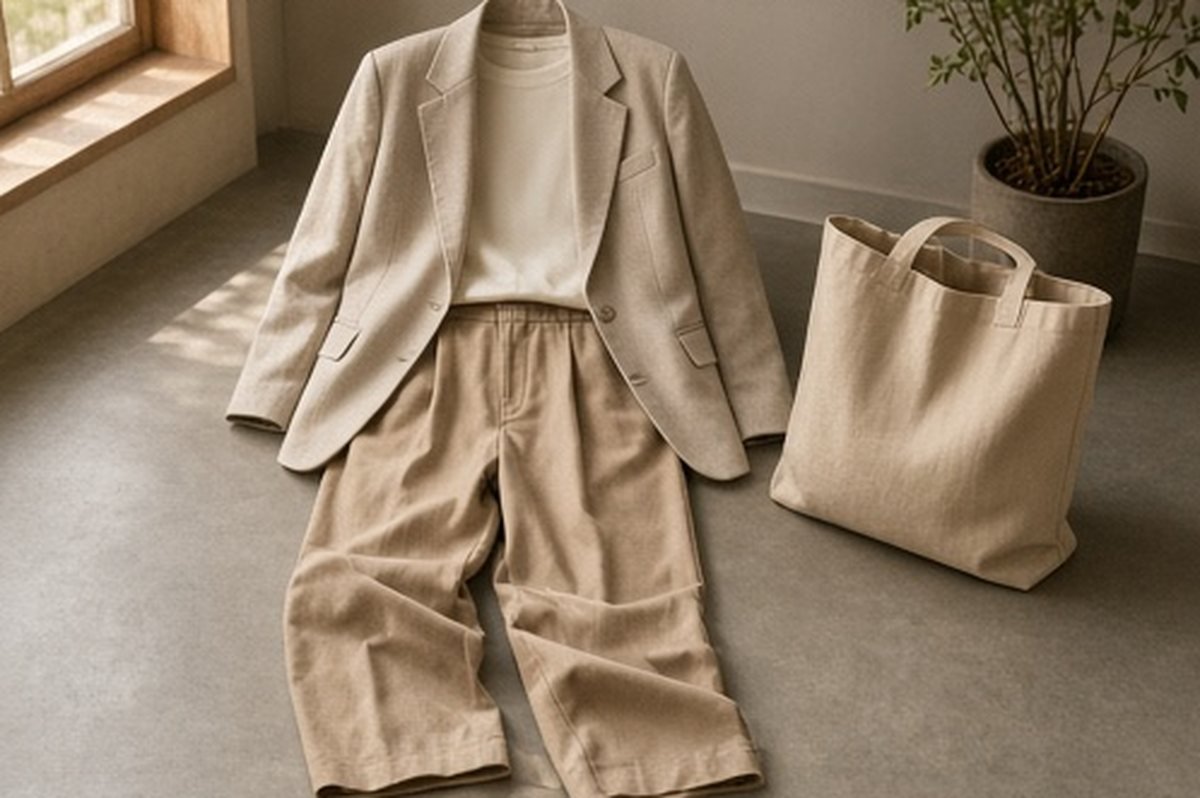
An outfit photograph can be a memory aid rather than content to publish. It can remind you which shoes worked with a hem, how a layer sat over a dress or what you chose on a busy morning. The useful record is about wearing clothes, not proving that every day produced a new look.
Start with a phone or camera you already use and a private place to keep the images. There is no need for new equipment, a styled room or public sharing. The aim is a small practical reference you can consult when dressing, packing or deciding whether a wardrobe gap is real.
Decide what the photograph should answer
Choose one purpose before taking pictures. You may want to save reliable work outfits, compare a trouser length with two shoes or remember combinations for a trip. A defined purpose keeps the collection useful and prevents it from becoming an obligation to document every garment.
If the question is fit or comfort, remember that a photograph is only part of the evidence. It cannot establish how fabric feels during the day or whether a waistband presses when seated. Include those observations separately rather than expecting a visually tidy image to answer every practical question.
Use a repeatable, ordinary view
Choose a position where the outfit is visible without needing an elaborate setup. Keep the framing similar enough that you can compare the relevant details later. You do not need a perfect angle; consistency is more useful than a dramatic photograph that hides the hem or shoulder line.
Avoid positioning yourself or equipment in an unsafe place for a full-length view. If a mirror or room layout makes the photograph awkward, use a simpler garment arrangement and written notes instead. The record should reduce effort, not create a daily production task that is harder to maintain than remembering the outfit.
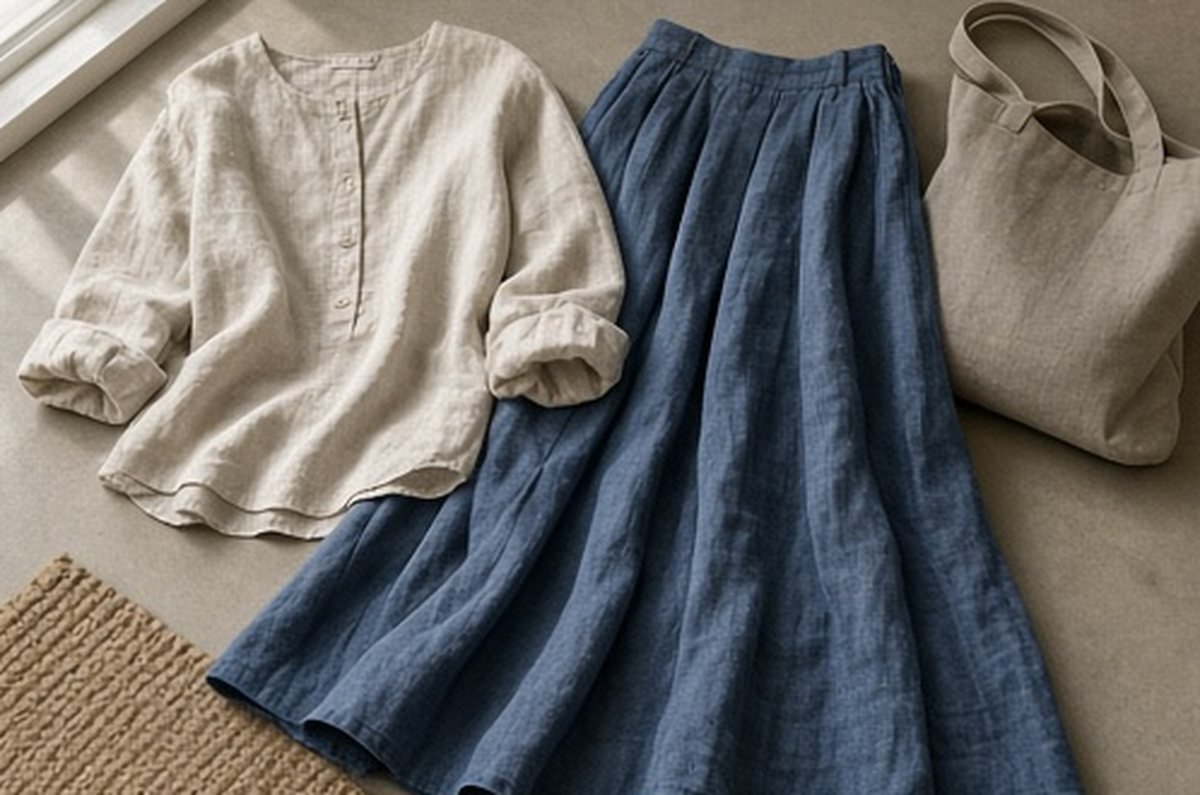
Keep private information out of frame
Check the background for documents, screens, addresses or other details you do not want included in the image. Even a collection intended to remain private is easier to manage when unnecessary personal information is absent. You do not need your face visible if garment recognition is the only purpose.
Store the photographs according to your own privacy preferences and the settings of the service or device you use. Do not assume that taking a picture means it must be posted or sent to anyone. Sharing is a separate decision, and other people in the frame should not become incidental material for an outfit record.
Record what the image cannot show
Add a short note about the use: comfortable at a desk, sleeves awkward under the coat or shoes unsuitable for the route. Keep the language specific and neutral. A picture can preserve the combination, while the note preserves the experience that might otherwise be forgotten.
If you changed during the day, note why. The reason may be weather, a spill, a changed plan or a fit issue. Those explanations lead to different next steps. Avoid treating every change as proof that the original outfit failed or that another purchase is necessary.
Do not use the camera as a colour guarantee
Lighting, screens and camera processing can alter the appearance of colour and texture. Use the image to recognise garments and broad relationships, not to establish an exact fabric match. If colour matters to a purchase or repair, an ordinary outfit photograph may be insufficient evidence.
The same caution applies to opacity and detail. A garment can look different under another light or in motion. Keep real-world observations alongside the picture rather than assuming a flattering image proves the outfit works everywhere. The practical reference should acknowledge its limits without requiring a technical photography process.
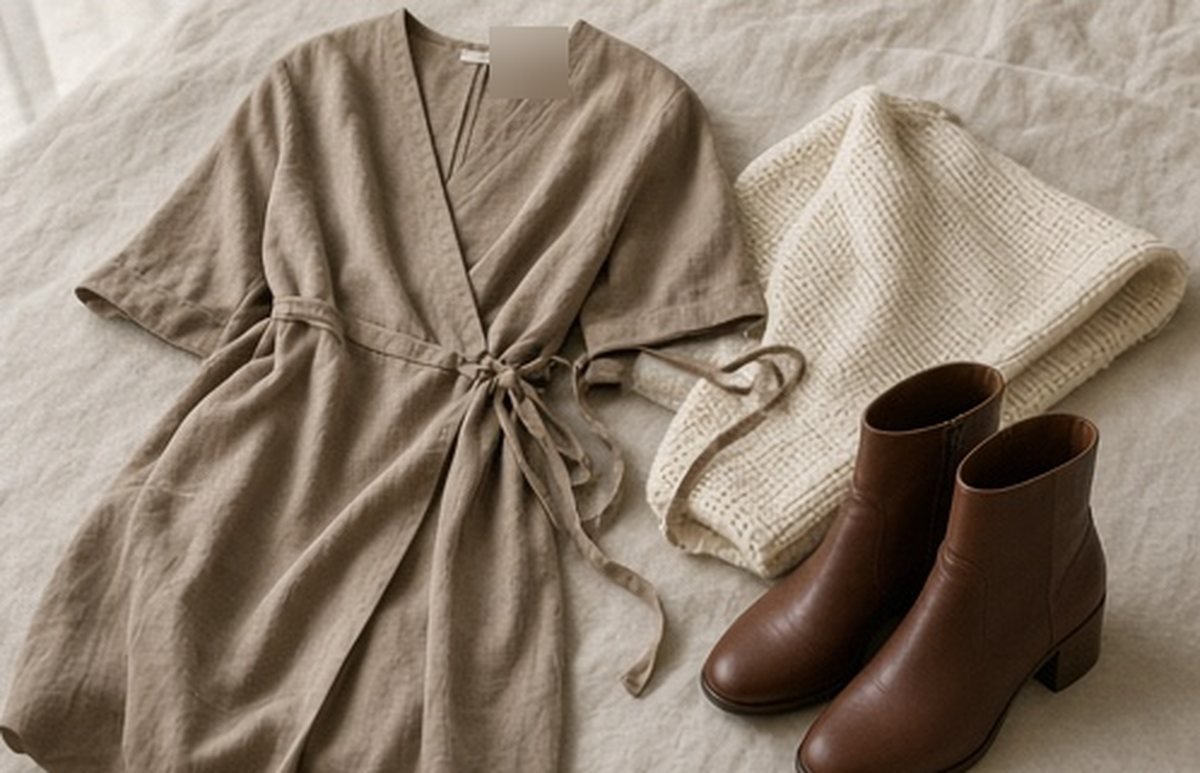
Let repetition remain visible
Save a useful repeated outfit rather than replacing it with a new combination solely for variety in the folder. Repetition can show which pieces reliably serve your days. You do not need to make the record look like a catalogue of everything you own.
If you enjoy experimenting, keep those images too, but distinguish an experiment from a dependable option. A combination you liked for five minutes at home is not yet evidence that it worked for a long day. Clear labels prevent an attractive possibility from being remembered later as a proven favourite.
Review before making a shopping decision
When you think a gap exists, look at the relevant images and notes. Ask whether a suitable combination already appears and why you are not using it. The answer might be laundry timing, a repair or an item that is difficult to find, rather than a missing category of clothing.
If a real gap remains, describe it by function and fit. Do not browse for an entirely new outfit simply because the folder reveals a repeated colour or silhouette. The record should support your preferences and practical needs, not introduce pressure to make the wardrobe appear more varied to an imaginary audience.
Keep only what helps you dress
Occasionally remove duplicates and images that no longer carry useful information. Retain a few clear combinations and the observations that explain them. A smaller reference is easier to consult than hundreds of nearly identical photographs whose purpose you no longer remember.
The strongest outfit record is quietly functional. It helps you repeat what works, understand a specific difficulty and use clothes you already own. It can remain entirely private and visually ordinary. Its value lies in making the next morning or packing session easier, not in becoming another feed that asks you to shop for something new.