
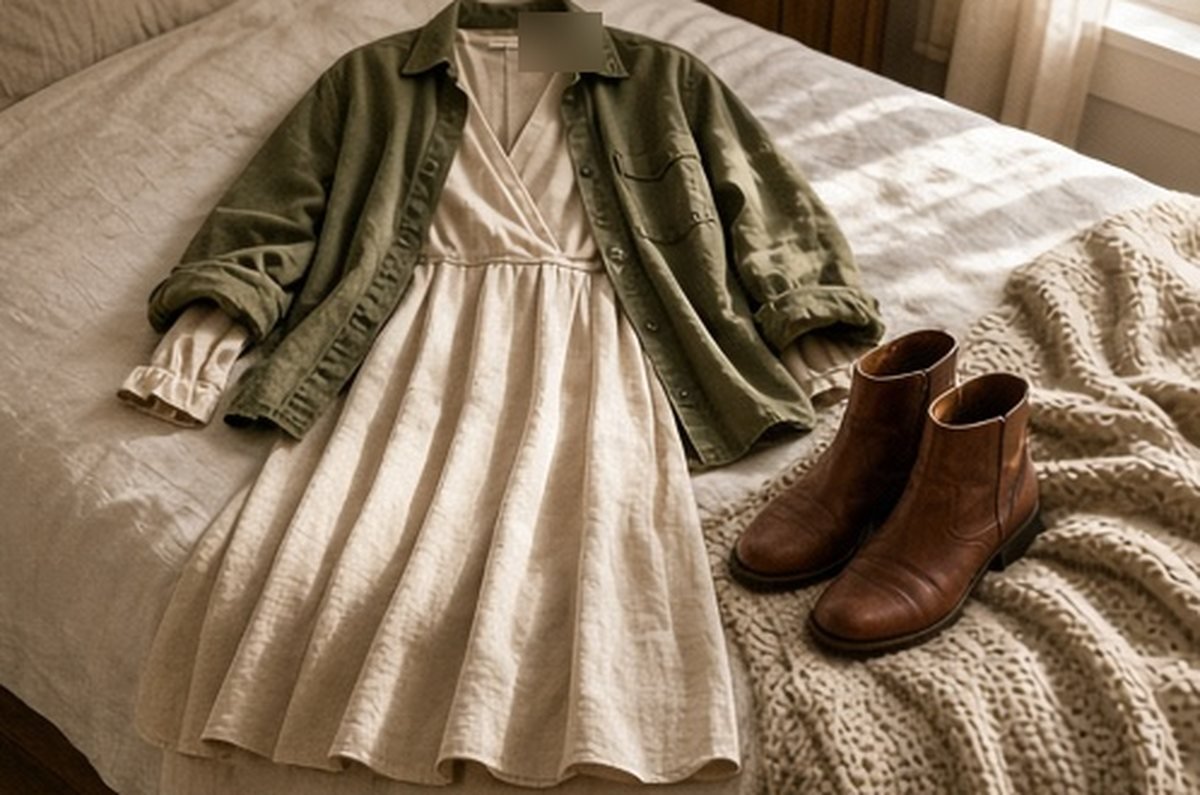
A dress can be the right total length and still feel wrong through the bodice, waist or sleeves. That is why a petite option deserves more than a quick comparison of hems. The useful question is how the exact garment's proportions match the wearer, not whether a category label sounds appropriate for a particular height.
Per the brand, Christy Dawn presents a Petites category and Dawn Dress Petites listings alongside other dresses. Those listings establish the availability of named options, not the precise grading changes of every style. This guide offers proportion questions to investigate rather than a hands-on fit review or a claim that all petite garments are constructed in one way.
Identify the position that feels wrong
Use a dress you already own to describe the issue clearly. Perhaps the waist seam sits lower than you prefer, the armhole feels misplaced or the neckline reaches farther down than intended. Total length may be only one part of the problem, or it may not be the main issue at all.
Keep the description neutral. A mismatch does not mean your body needs to be corrected, and it does not establish that an entire brand is unsuitable. It identifies a relationship between one garment and your preferred fit. That relationship is the starting point for asking useful questions about another option.
Read the exact measurement system
Check whether the size information describes body dimensions or finished garment dimensions. Those are not interchangeable. Use the seller's measuring instructions where provided, and ask for clarification if the method is unclear. A letter size or a broad height description cannot answer every proportion question.
If you compare petite and other versions, use the actual information available for those versions rather than assuming the differences. Do not infer that the bodice, sleeve and hem all change by the same amount. A category name can prompt a comparison, but the dimensions or a clear seller explanation must supply the details.
Look above the waist first
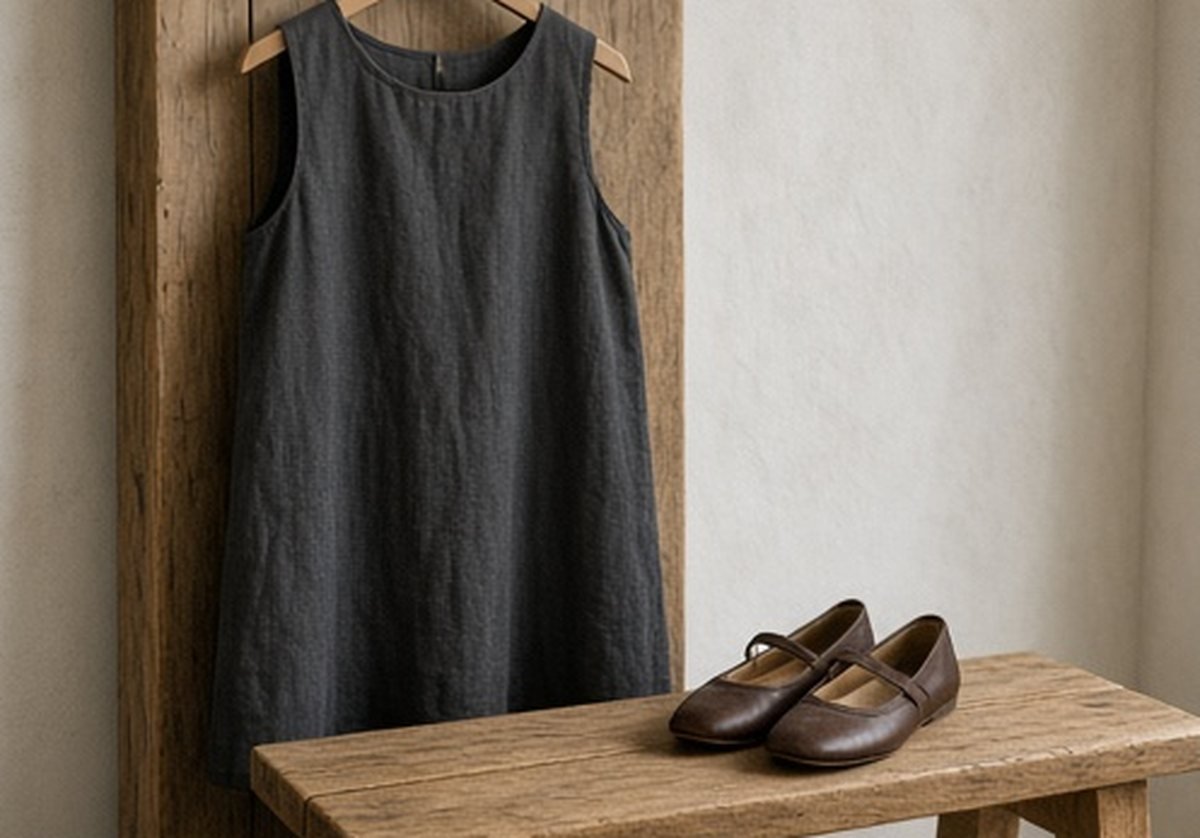
Consider shoulder position, neckline, armholes and bodice length. These areas affect how the dress sits before the skirt length becomes relevant. Product photographs may suggest questions, but they cannot reproduce the result on a different body or establish comfort from a single angle.
Compare with a similar, comfortable garment if possible. A loose tunic may not provide a useful dimensional reference for a fitted dress. Record any construction differences, such as a gathered section or an opening, without assuming they will compensate for an unrelated proportion mismatch. Ease and position remain distinct questions.
Check the waist relationship
Establish where any waist seam, tie or shaping is intended to sit, using the exact product details. Do not assume every dress in a named range has the same construction. If the listing does not answer a question important to you, ask before treating a different length category as the solution.
During a careful fitting that respects return conditions, sit and move gently. Notice whether the bodice pulls or the waist position shifts in a way you dislike. Avoid tightening ties or stretching a panel to force a preferred result. If the intended position is uncomfortable, another cut may be more useful than another label.
Then assess the skirt length
Try the shoes you actually intend to wear. Check standing clearance and ordinary walking room without assuming a styled heel will be part of every outfit. The best length is the one that works for your use and preference, not a fixed distance that every dress should share.
If the bodice fits but the hem needs changing, discuss the actual garment with an alterations professional before assuming the work is simple. Construction, decorative details and available fabric can affect feasibility. Conversely, a shorter hem alone may not solve a bodice or neckline problem, so keep those decisions separate.
Include sleeves and outer layers
If the dress has sleeves, check the listed dimensions and the way they interact with your normal movements. Do not assume sleeve length follows the same adjustment as overall dress length. A comfortable shoulder and arm opening matter alongside where the cuff or sleeve edge lands.
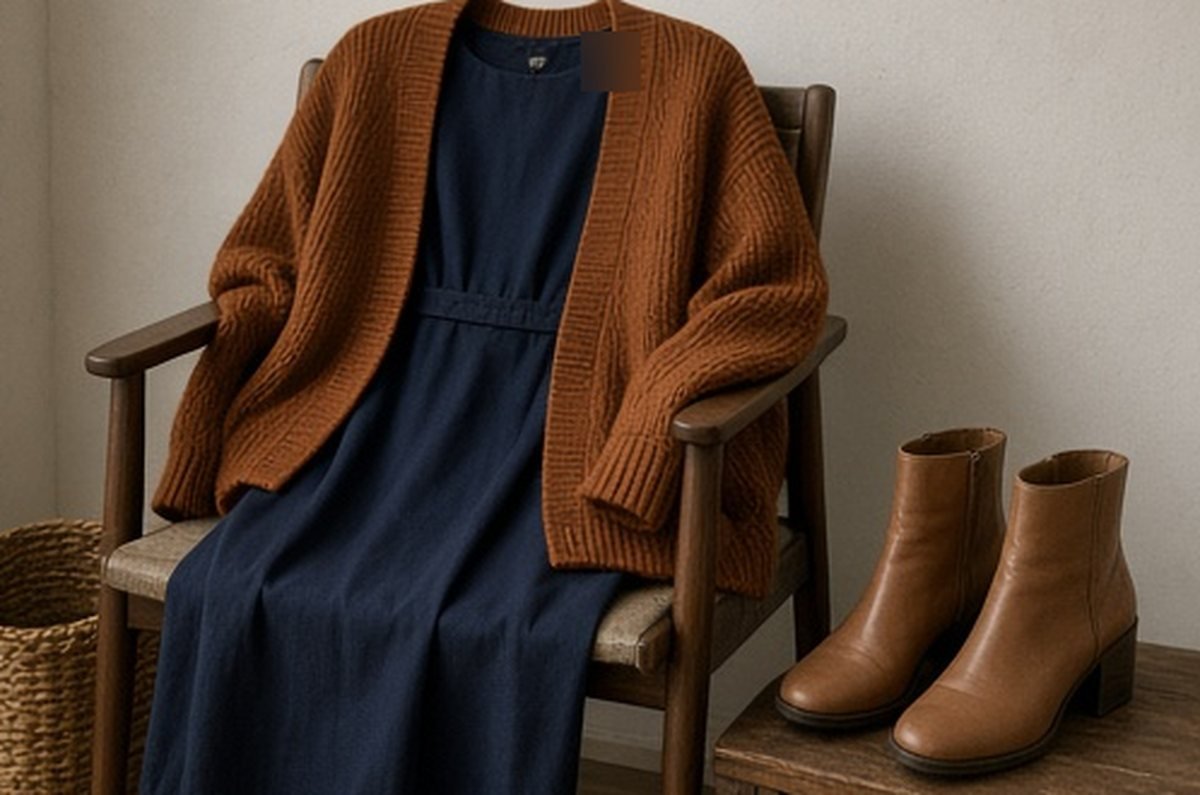
Try the existing cardigan or coat you expect to use. The complete outfit may reveal pressure or bunching that is not apparent in the dress alone. Avoid buying another outer layer merely to compensate for an uncertain fit. Start by establishing whether the dress itself meets the original brief.
Keep material claims separate from fit
Read the composition and care information for the exact listing. A brand's broader textile or farming story does not identify the construction and maintenance of every item. Those details may matter to your values, but they should not stand in for measurements or a workable care routine.
Likewise, do not choose a size based on an invented shrinkage allowance. Follow the actual label and seek product-specific guidance when uncertain. Fit, material information and care are related parts of the decision, not interchangeable explanations. A garment needs to meet each relevant requirement rather than relying on one appealing feature to carry the rest.
Save the proportions that worked
Record the specific measurements and positions that made a dress comfortable, along with how you wear it. This gives you a practical reference for future listings. It is more useful than deciding that petite always means right or that a single height threshold determines every purchase.
A petite option may be a helpful route to the proportions you want, but it is still an individual garment. Let the exact information and a careful fitting decide. The successful choice is a dress whose whole shape supports ordinary use, not simply one whose hem arrives at a more convenient length.