
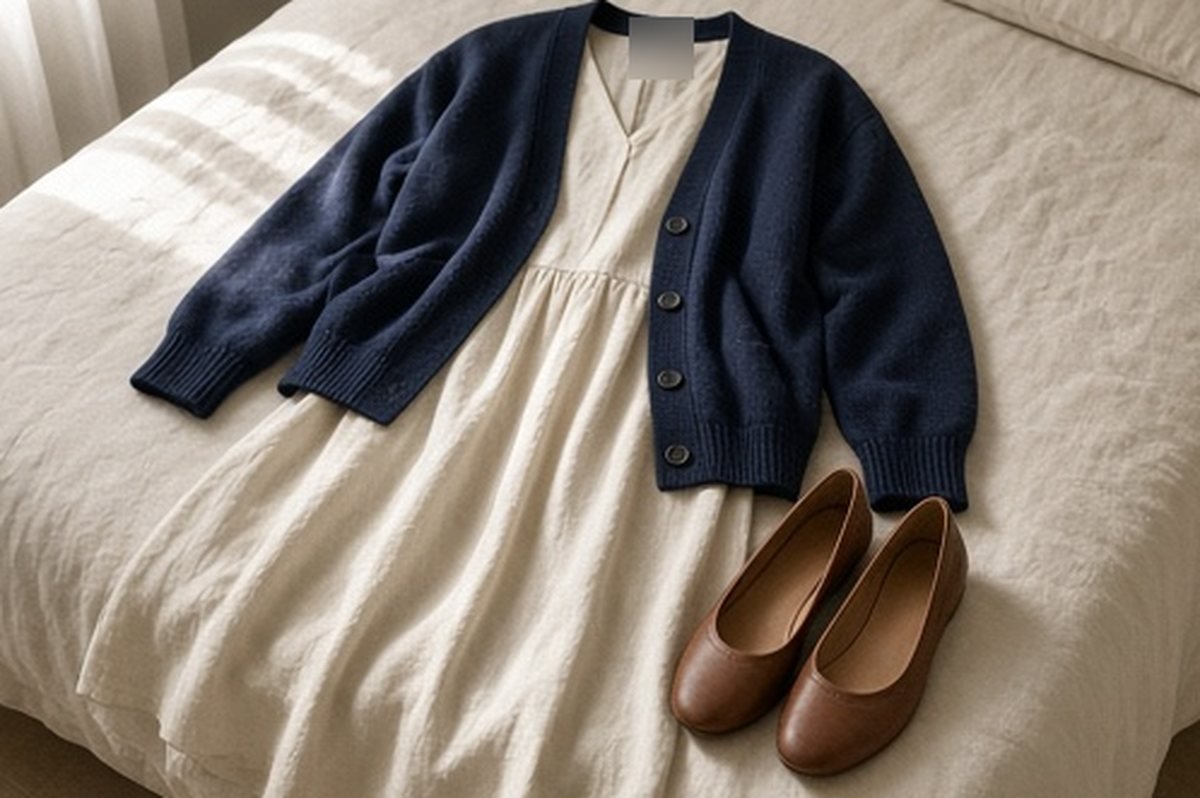
An online clothing return can become the beginning of another shopping session. A dress is too tight, so three different sizes go into a basket. A colour disappoints, so you browse every alternative before deciding what was wrong. The original need becomes harder to see beneath the effort of finding a replacement.
A slower return process separates three decisions: whether to keep the garment, what the fitting taught you and whether another purchase is still necessary. You do not need to turn every disappointment into a wardrobe lesson, but a few clear notes can prevent repeating an expensive or frustrating cycle.
Check the conditions before fitting
Read the seller's return instructions and deadline as soon as the item arrives. Note any requirements about tags, packaging, hygiene protections or the condition of the garment. Do not assume that a familiar retailer's process applies to another store or that sale items have the same conditions as other purchases.
Keep the original order details somewhere you can find them. If anything is unclear, seek clarification through the appropriate customer-service route before changing or wearing the item. A return decision is easier when the practical constraints are known, rather than discovered after a prolonged trial around the house.
Recreate one real outfit
Try the garment with the underwear, shoes and layers you actually intended to use. Stay within a clean, careful indoor fitting that respects the return conditions. A garment may look unfamiliar simply because the surrounding outfit is wrong, but that does not mean you should buy several additional pieces to make it work.
Choose an ordinary setting and reasonable light. Check the movements relevant to your plans, such as sitting at a desk or reaching for a shelf, without stretching or damaging the item. The aim is to establish whether it fits the original role, not to audition every possible version of yourself.
Name the problem precisely
Replace a vague judgment such as wrong fit with a useful observation. Perhaps the shoulder seam sits beyond the position you prefer, the armhole restricts reaching or the waistband presses when seated. Those details are more actionable than concluding that every item from a brand runs small or large.
Keep preference separate from defect. A fabric may feel different from what you enjoy without being faulty. If there is damage or an incorrect item, document it appropriately and follow the seller's process. Do not attempt a repair or alteration before resolving whether the garment should be returned.
Compare only relevant measurements
Use the seller's measuring method where available and compare with a well-fitting garment of similar construction. Record which dimension seems responsible for the problem. Going up a size may add room in several places, not only the one that needs it; it may not solve a proportion mismatch at all.
Do not take a single fitting as evidence that your body is the problem. Size labels vary and patterns serve different proportions. A neutral note about a sleeve, rise or bodice length helps with the next decision. If the required measurements are unavailable, recognise that another order would still involve uncertainty.
Decide whether a replacement is needed
Return to the original reason for shopping. Was a necessary item missing, or were you exploring an appealing style? If an existing garment can cover the coming occasion, there may be no immediate gap to fill. Completing the return can be the end of the task rather than a reason to reopen the catalogue.
If the need remains, define it in one sentence with the fitting information included. For example, you may need a washable layer with more upper-arm room and a shorter body. Avoid adding unrelated preferences simply because a long browsing session exposed you to more possibilities.
Make the return operational
Follow the authorised return route and keep the relevant confirmation or proof of posting. Use packaging that meets the instructions and protects the garment. Remove unrelated personal papers from reused packaging, and make sure the correct item and any required components are included before sealing it.
Track the return through the appropriate retailer or carrier information rather than assuming dispatch means the refund is complete. Keep records until the matter is resolved. This practical follow-through deserves its own moment; trying to manage it while browsing replacement pieces can make it easier to overlook a deadline or missing step.
Add a pause before ordering again
Give the notes time to become a clear brief. The useful pause may simply be long enough to check your wardrobe and compare one candidate properly. It is not a fixed rule or a moral test. The purpose is to prevent disappointment from creating urgency that the original clothing need did not have.
Do not order a replacement solely to justify the time already spent. That time cannot be recovered by keeping an unsuitable garment or adding more parcels. A measured decision can acknowledge the inconvenience while still stopping the cycle. The next item should answer the need, not repair the mood of the previous fitting.
Keep a small, neutral record
Save only the details likely to matter again: style, relevant dimensions, the specific fit issue and whether the return is complete. Avoid building a complicated database of every disliked garment. A short note is enough if it helps you recognise the same mismatch in a future listing.
Over time, these observations can improve how you read product pages and ask questions. They may also show that you need fewer new clothes than shopping initially suggested. The successful outcome is not always the perfect replacement. Sometimes it is a completed return, a clearer understanding of fit and no additional purchase.