
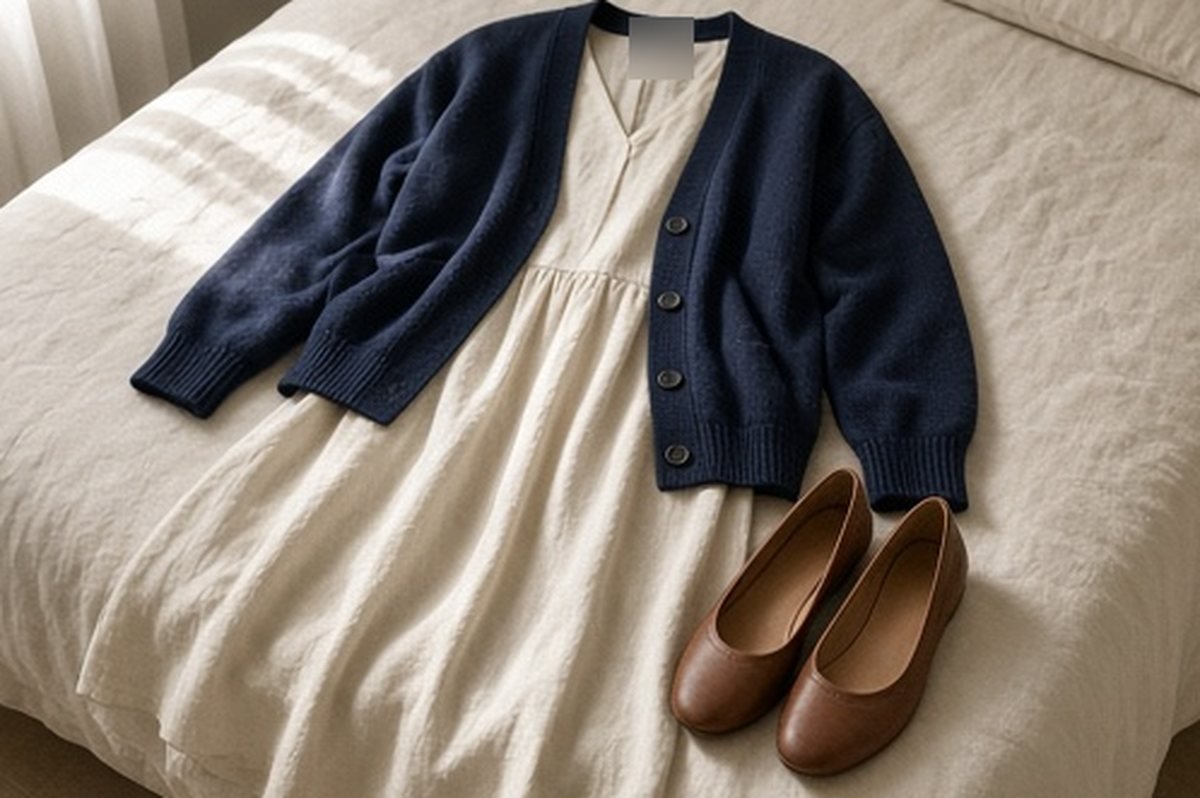
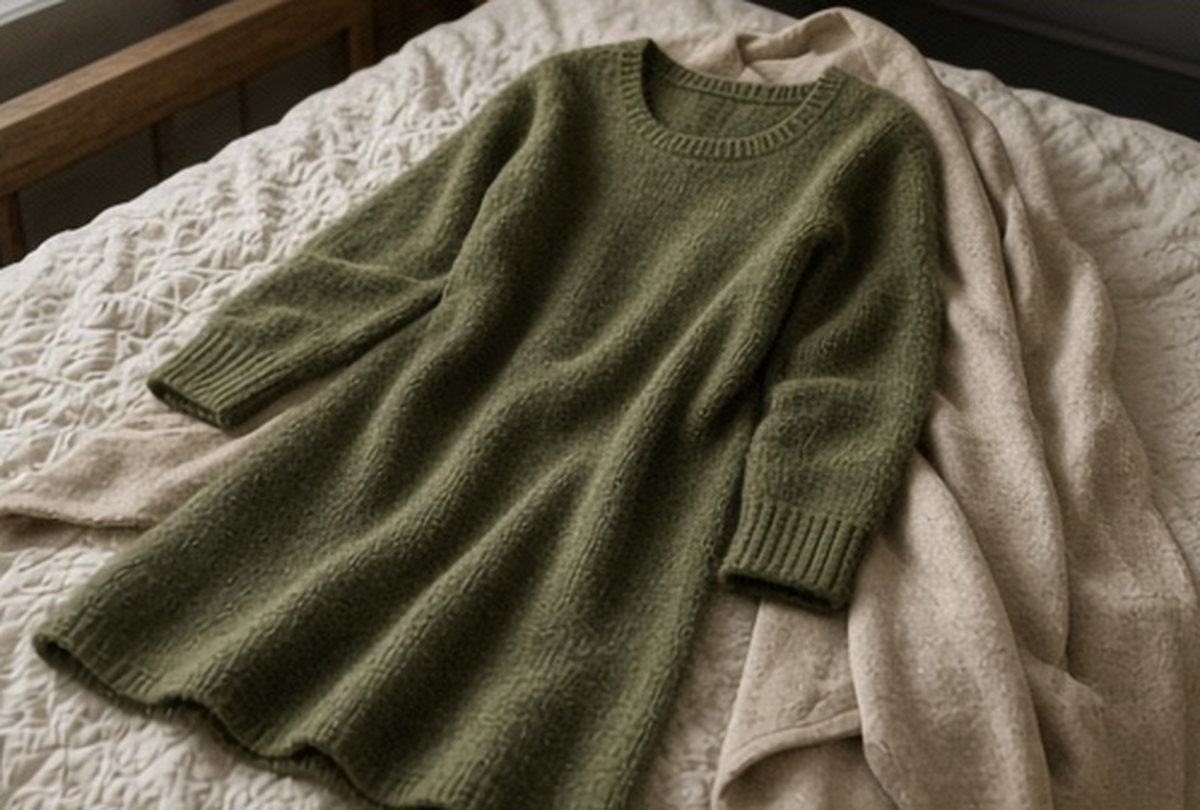
A long knit dress can make an outfit look resolved with very few pieces. Its usefulness, however, depends on what happens below the waist as well as around the shoulders. The hem, walking room and way the fabric sits in a chair all belong in the decision before you build an autumn outfit around it.
Per the brand, Chillinen lists maxi cotton knit dresses with long sleeves, including a round-neck style. Those product descriptions do not establish the exact fibre percentage, measurements or movement allowance of every dress. This is a daily-use checklist, not a hands-on review or a promise about the fit of a particular style.
Start with your actual floor clearance
Compare the listed length, where available, with a dress you already wear comfortably. Use the seller's measuring method rather than comparing unlike measurements. Your height alone does not tell you where a hem will land, because proportions, shoulder placement and the garment's cut also matter.
Put on the shoes intended for ordinary use, not a taller pair chosen only to rescue the length. During a careful return-compliant fitting, stand naturally and check the clearance around the feet. If the hem trails or needs constant lifting, identify that problem before imagining the dress as an easy everyday option.
Walk through familiar movements
Think about the ordinary route: a doorway, a short step, a chair and the space around a desk. You do not need an elaborate test or vigorous movement. The useful question is whether the garment allows your normal stride without requiring attention you would find irritating throughout the day.
Look for verified construction details that affect movement, such as the cut and any described opening or slit. Do not infer these from a flowing photograph. Avoid stretching the dress to demonstrate room. If you cannot establish a necessary detail from the listing, ask before purchasing or keep the uncertainty in the decision.
Sit before judging the silhouette
A standing reflection is only one position. Sit in an ordinary chair and notice how the skirt and bodice settle. Check for pressure, unwanted pulling or a need to rearrange the hem repeatedly. Respect return conditions and stop if the fabric or stitching appears strained.
A knit construction does not automatically solve every fit problem. Room through one area may coexist with restriction elsewhere. If the dress is intended for a seated working day, that position deserves substantial weight in your decision rather than being treated as a brief afterthought to the standing appearance.
Include the coat you already wear
Try the likely coat, cardigan or overshirt with the dress. Consider sleeve room and where the two hems meet, but also how you remove and carry the outer layer. A complete outfit should remain comfortable when the weather or indoor setting leads you to take one layer off.
Do not assume a long dress requires a particular coat length or shoe shape. Start with combinations you like and can actually use. If every attractive version seems to require another purchase, pause and ask whether the dress meets the original wardrobe need or has created a new styling project.
Think about carrying ordinary belongings
Consider the bag, keys and other essentials you take on the intended day. Check any stated pocket details for the exact dress rather than assuming a dress photograph conceals useful storage. A separate bag may be entirely practical; the point is to include it honestly in the outfit plan.
Notice where the bag contacts the garment, especially when seated or walking. Avoid overloading pockets during a fitting or using unfamiliar straps in a way that could mark fabric. You are checking compatibility, not claiming a test of long-term abrasion resistance. A comfortable outfit includes how you carry things, not just what you wear.
Read the garment's own care instructions
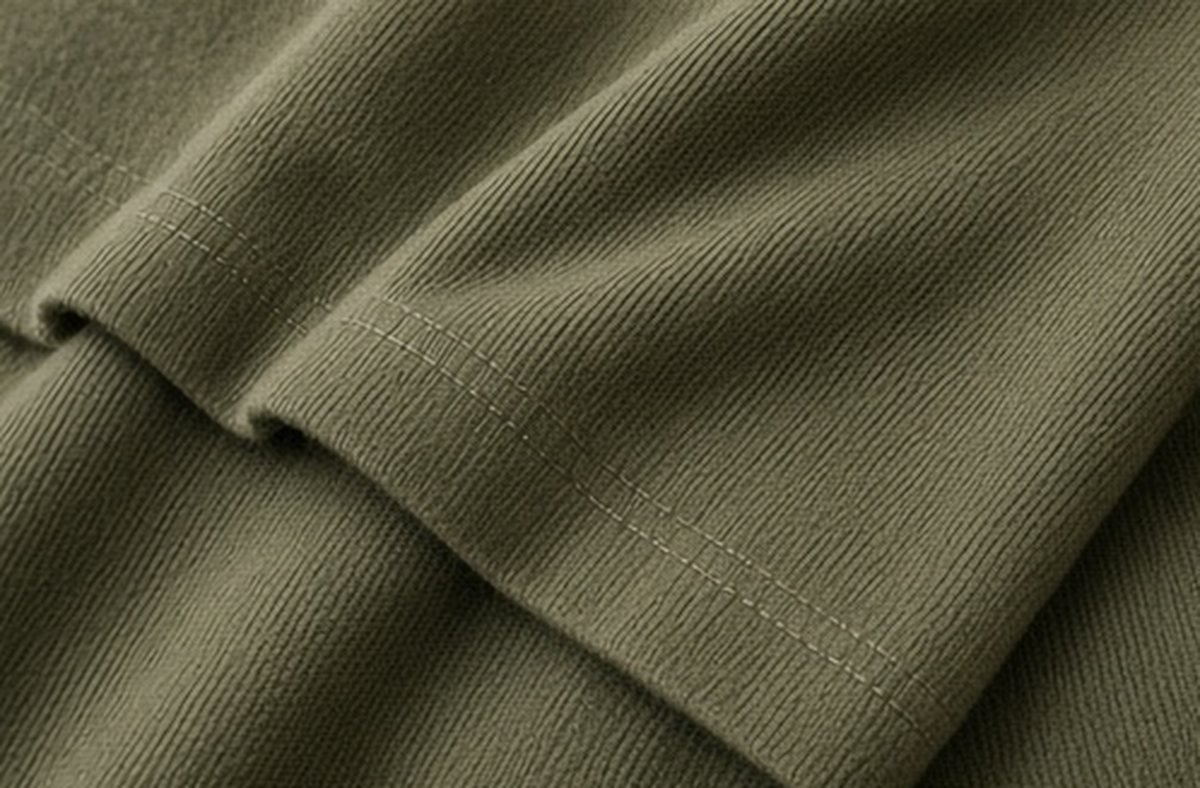
Cotton knit is a product description, not a complete laundry programme. Read the exact composition and label. Do not transfer a woven linen routine from another Chillinen purchase or assume all cotton-containing garments can be cleaned and dried in the same way.
Think through the space and time the prescribed care needs. A long garment may require a different practical arrangement from a small top, even when both suit your laundry routine. If an important care detail is missing before ordering, ask. Avoid predicting shrinkage or choosing a compensating size without product-specific guidance.
Name two ordinary uses
Choose two realistic days when the dress would be useful, such as a relaxed office day and a weekend visit. Build each outfit from existing shoes and layers. The second use should not depend on imagining a different lifestyle or an occasion that rarely occurs.
If the dress only works as a complete new outfit bought around one photograph, it may still be a considered occasion purchase, but call it that. A daily wardrobe piece earns its role through repeatable combinations. You do not need to prove maximum versatility, only enough genuine usefulness to justify the space and care involved.
Keep the decision specific
Summarise the result in terms of length, movement, seated comfort, layers and care. If one part is unresolved, do not let the apparent simplicity of a one-piece outfit hide it. A different length or cut may answer the need more directly than repeated adjustment or an unplanned alteration.
The appeal of a maxi knit dress is the possibility of an uncomplicated outfit. That possibility becomes real when the garment works through a whole ordinary day, including sitting, walking, carrying belongings and changing layers. Choose the version that supports those actions rather than the one that only looks easy in a still image.