
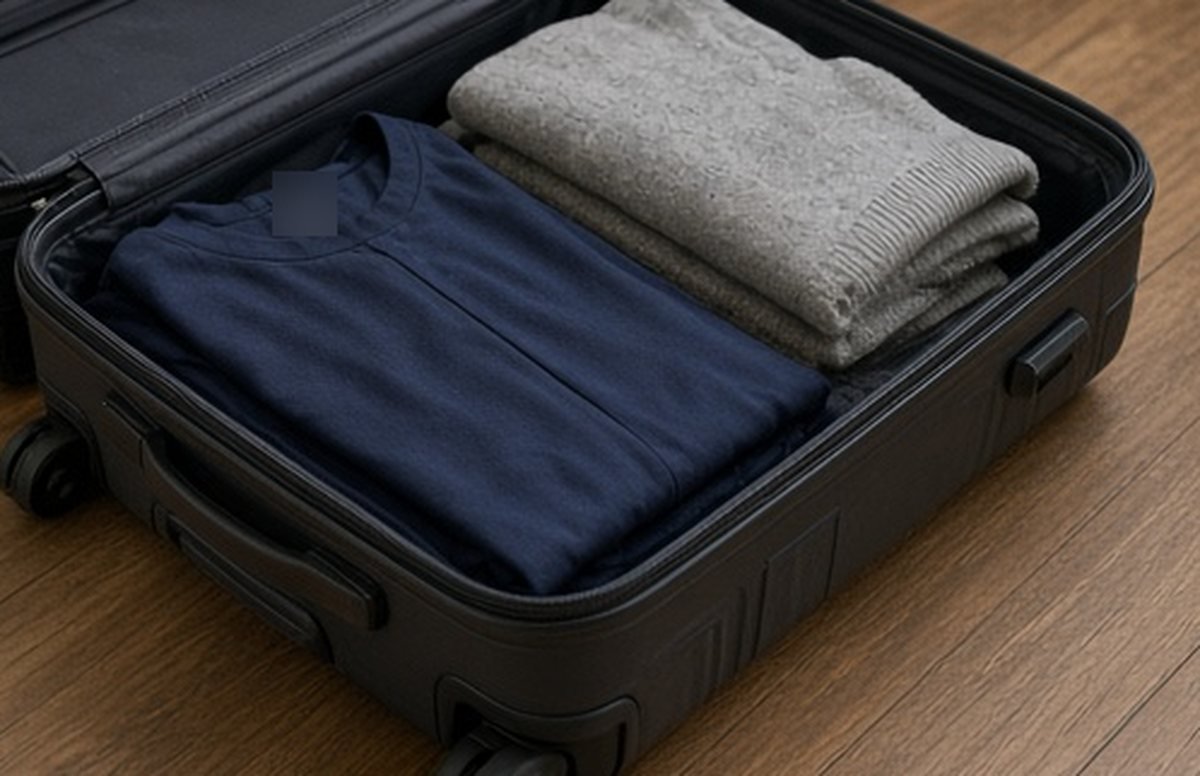
An overnight train journey combines several clothing situations: arriving at the station, settling into the service, resting and continuing the next morning. A single comfortable seated outfit may cover some of them, but the practical question is how you move between those stages with the space and facilities actually available.
Check the operator's information for your booked service and accommodation type. This guide does not assume a private compartment, particular bedding, a shower or a guaranteed changing space. Build the clothing plan around confirmed arrangements and your own preferences, using familiar pieces rather than treating the journey as a reason for an entirely new travel wardrobe.
Map the stages in order
List the station approach, boarding, evening, rest period, morning and onward journey. Note where you expect to be able to access luggage and where you may want an extra layer. A timeline exposes needs that a static outfit photograph misses, particularly when arrival and departure conditions differ.
Keep the map simple. You do not need a separate outfit for each stage. The purpose is to identify transitions, such as removing an outer layer or changing a next-to-skin item, and decide whether they are realistic. A modest plan that works in sequence is more useful than a large collection of alternatives.
Wear the outfit you already understand
Choose a familiar combination for the boarding and seated part of the journey. Consider the waistband, seams, closures and coverage in ordinary seated positions. Avoid relying on a new garment's softness claim when you have not established whether its actual fit is comfortable for you.
Use the shoes and underlayers intended for the trip during any fitting. A trouser that feels fine alone may feel different with a belt, tucked shirt or other layer. The aim is comfortable ordinary movement, not an endurance test. If something needs constant adjustment at home, do not assume the unfamiliar setting will improve it.
Decide what you actually want to change
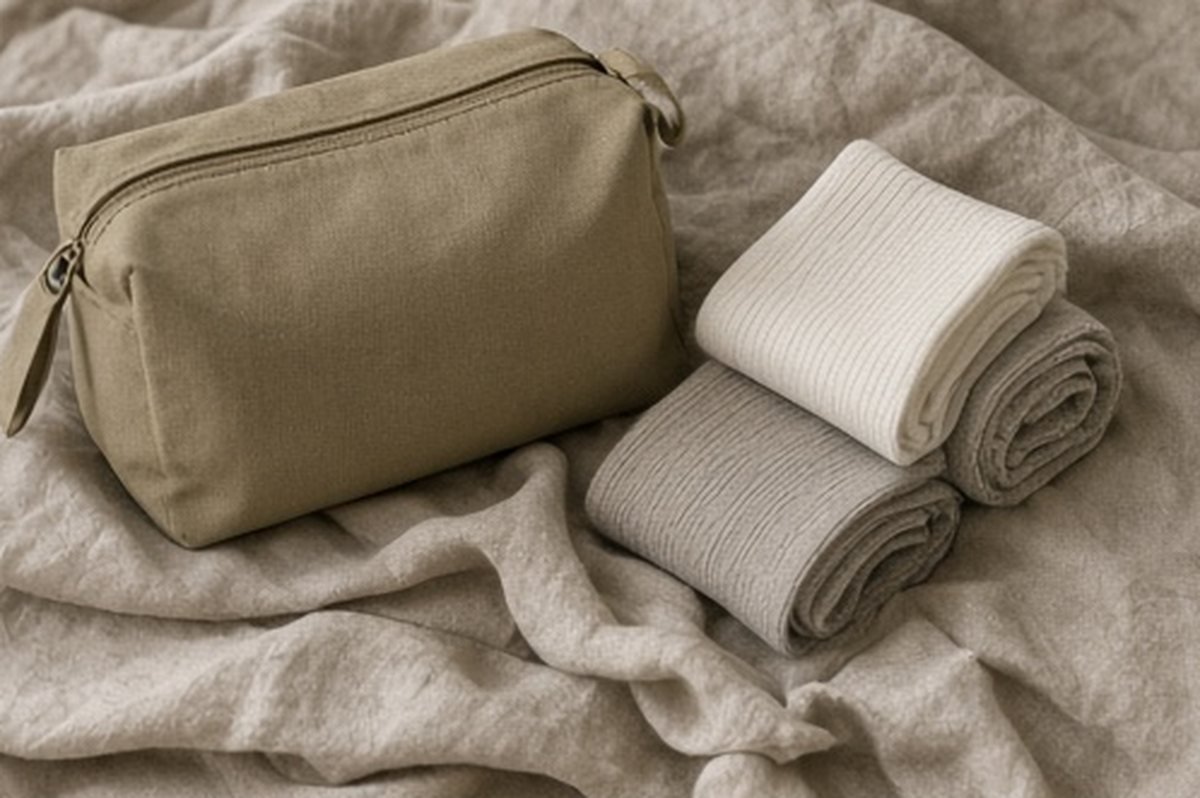
You may prefer a separate rest outfit, a fresh base layer or no clothing change until arrival. There is no universal arrangement. Consider your privacy preferences, the confirmed facilities and what you can manage without spreading belongings through a shared area.
If you plan to change, choose pieces whose dressing sequence you know. Keep the number of operations practical for the space you expect. A multifunctional garment with an unfamiliar tying method may introduce more work than a simple familiar item. Learn any intended variation before the journey rather than improvising it when tired.
Make the necessary bundle accessible
Pack the clothing needed during the journey together, with any relevant personal essentials kept appropriately separate. Place the bundle where it can be reached without unpacking the entire bag. Do not assume the main suitcase will be conveniently accessible at every point; confirm luggage arrangements for the service.
Include the less visible items that make a change usable, such as underwear or socks if required. A fresh top alone is not a complete change when other pieces also need attention. Avoid opening the bundle repeatedly for unrelated objects, which makes it easier to disturb the clean arrangement before it is needed.
Give outer layers a practical place
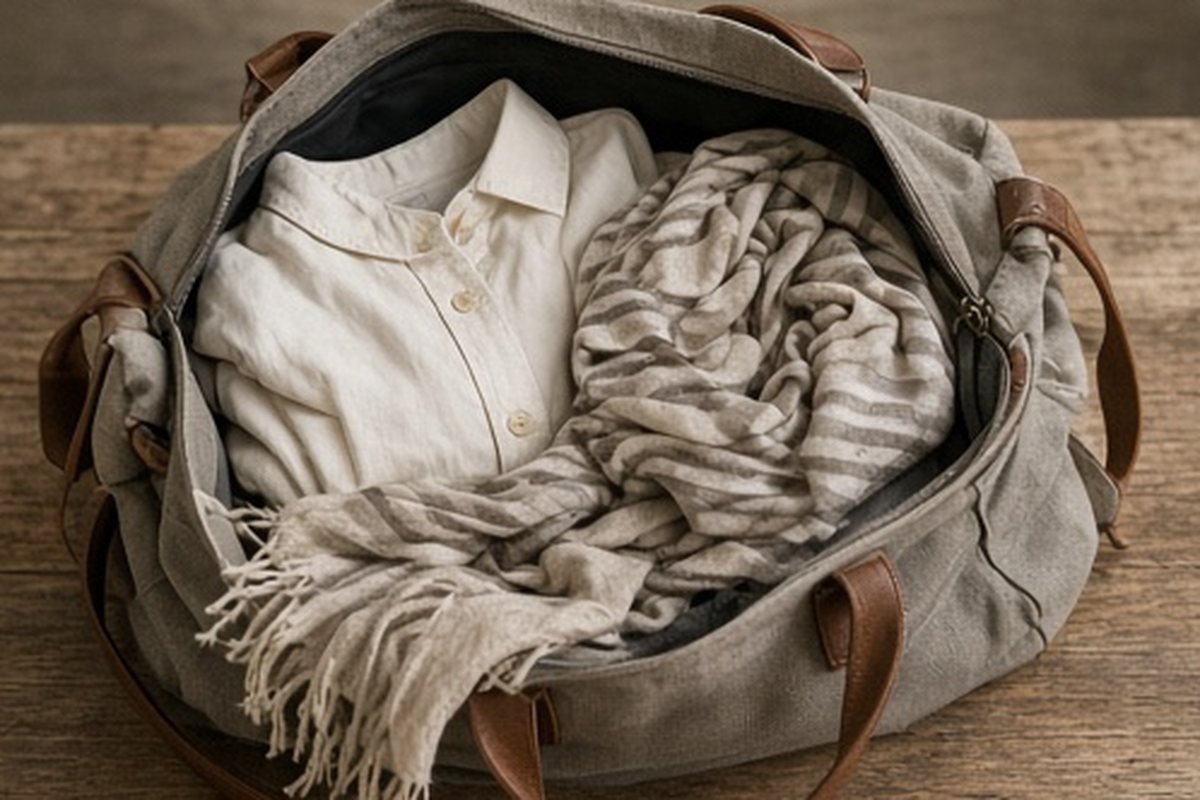
Consider what happens to a coat, overshirt or scarf when you remove it. Check the available storage rather than assuming a hook, shelf or empty neighbouring space. Keep clothing clear of walkways and follow the operator's instructions for belongings.
A layer should not create an awkward carrying task simply because it looks good worn on arrival. Choose a bag arrangement that can accommodate it where practical. Do not use clothing as a way to claim shared space or place items where they may become wet or soiled. The outfit plan includes the pieces temporarily not being worn.
Keep worn and clean pieces distinct
After changing, put worn clothing in an appropriate separate place rather than returning it automatically to the clean bundle. Assess its condition honestly; dry worn clothing and a damp item need different handling. Temporary containment is not a substitute for suitable cleaning or drying when those are needed.
Do not rely on a fibre name to decide whether a garment can be worn again. Your use, visible soil, comfort and the care instructions all matter. If the trip includes laundry later, keep the relevant information available rather than assuming every item in the travel outfit can enter one convenient wash process.
Plan the first morning beyond the train
Think about what you need immediately after arrival. You may continue to a meeting, walk to accommodation or spend several hours before access to a room. Choose the morning clothing arrangement for that real sequence rather than an imagined immediate chance to shower and unpack.
If a clean change is important, keep it protected and accessible. If the boarding outfit will be used again, assess whether the plan is realistic rather than assuming it will remain fresh under all circumstances. A small amount of deliberate separation can be more useful than adding several unrelated tops to the suitcase.
Keep the operator's rules outside guesswork
Check relevant luggage, facility and service information through the operator before travelling. Clothing advice cannot establish what your particular train provides or permits. Do not build the plan around an unverified amenity simply because another traveller had it on a different route.
After the journey, note which transition was awkward and what clothing actually helped. A better-positioned bundle or a simpler closure may be the useful change for next time. The strongest overnight outfit is not merely comfortable in a seat; it supports a manageable sequence from boarding through the following day.