
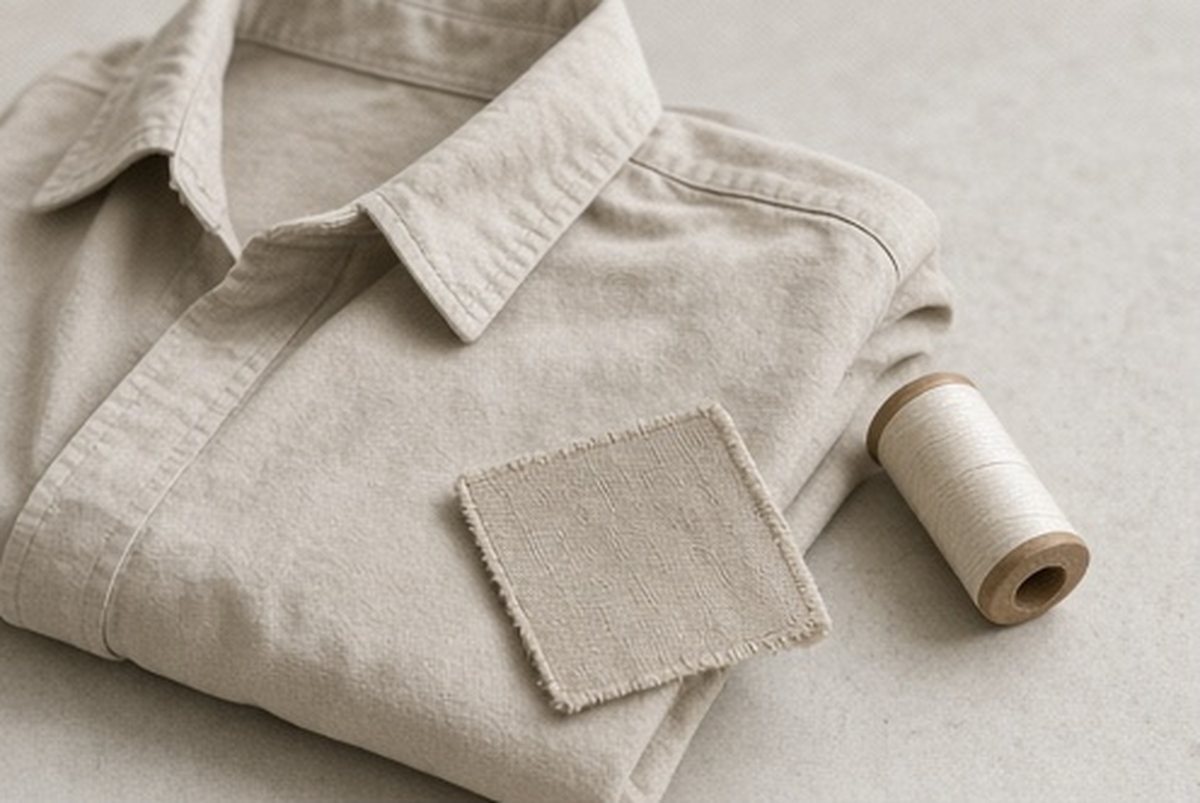
A patchwork garment can invite attention to colour, texture and the story of the materials. Those qualities can be part of its appeal, but they do not replace the ordinary questions that make clothing usable. You still need to understand the exact piece's composition, condition, dimensions and care.
Per the brand, Love Protect Sustain describes sourcing pre-loved and deadstock materials and using patchwork, layering and hand embroidery. These are the brand's own statements, not independent verification of every garment's history or environmental impact. Use the story as a reason to investigate the individual item, not as a substitute for its specifications.
Distinguish material history from current condition
Pre-loved describes a kind of prior use; deadstock describes a different material context. Neither term, by itself, tells you the condition of the finished garment in front of you. Read the exact listing for what is stated about marks, repairs, variation or other features relevant to the piece.
Avoid assuming that an irregular surface is automatically damage or that every visible variation is merely decorative. If a detail matters, ask for a clear explanation and photograph. The aim is to understand what you would receive, not to flatten every handmade or reused-material garment into the same expectation.
Find out what the photographs represent
Check whether the images show the actual item, a representative example or a choice of variants. A material story does not answer that question automatically. If colour placement or a particular patch is central to your interest, establish how the exact selection is identified.
Do not assume a photographed arrangement will repeat across every size or version unless the listing says so. Equally, do not declare every piece unique on the strength of a general brand description. The useful evidence is the item's own information and any clarification supplied about what will be sent.
Ask for composition at the right level
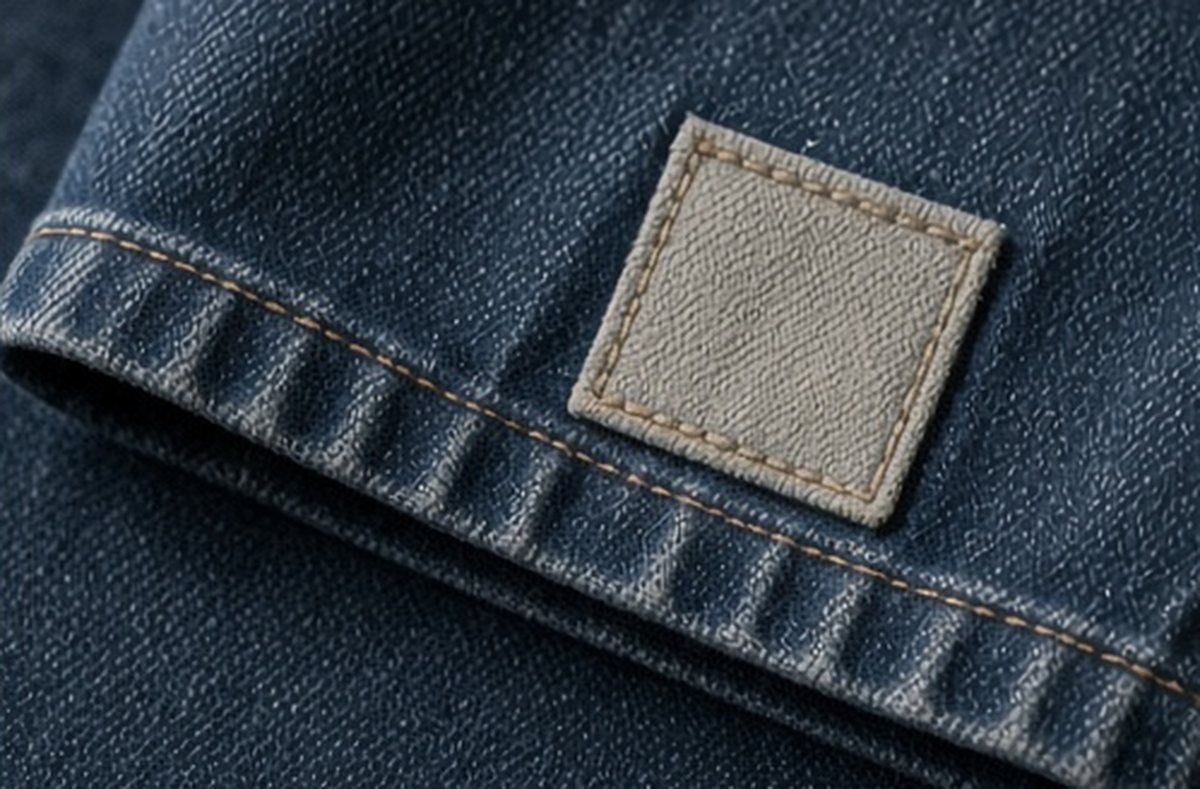
Read the listed fibre content and any information about different components. Patchwork can bring several visible sections together, but appearance alone does not establish whether their materials differ. Avoid identifying silk, cotton or another fibre by sheen, softness or a product name that does not provide a full specification.
If a particular material matters to your comfort or care routine, ask before buying. A broad commitment to pre-loved cloth cannot supply a missing percentage or identify every trim. Keep unknown information explicit rather than replacing it with a romantic assumption about the garment's past.
Compare the actual measurements
Use the item's dimensions and the seller's measuring method where available. A relaxed-looking photograph does not guarantee comfortable room in every area. Compare shoulder, body, sleeve or other relevant measurements with a similar garment you enjoy wearing, noting construction differences that may limit the comparison.
If the piece is described through a broad size range, find out what that means for the exact garment. Do not assume a tie, gathered section or loose silhouette resolves every fit question. The finished shape still has specific proportions, and the wearer still needs to move and sit comfortably in it.
Look at seams and internal details
Ask for interior views where they would answer a real question about construction or condition. A seam, lining or hem photograph can provide context, particularly if you are considering future alterations. It cannot prove an unlimited lifespan or establish how the garment feels against your skin.
Read visible repairs neutrally. They may be part of the design or a response to a condition issue, and the distinction should be clarified rather than guessed. Do not treat every hand-worked detail as evidence of quality in all respects. Craftsmanship language and practical suitability are related but separate parts of the decision.
Read the care instructions before planning wear
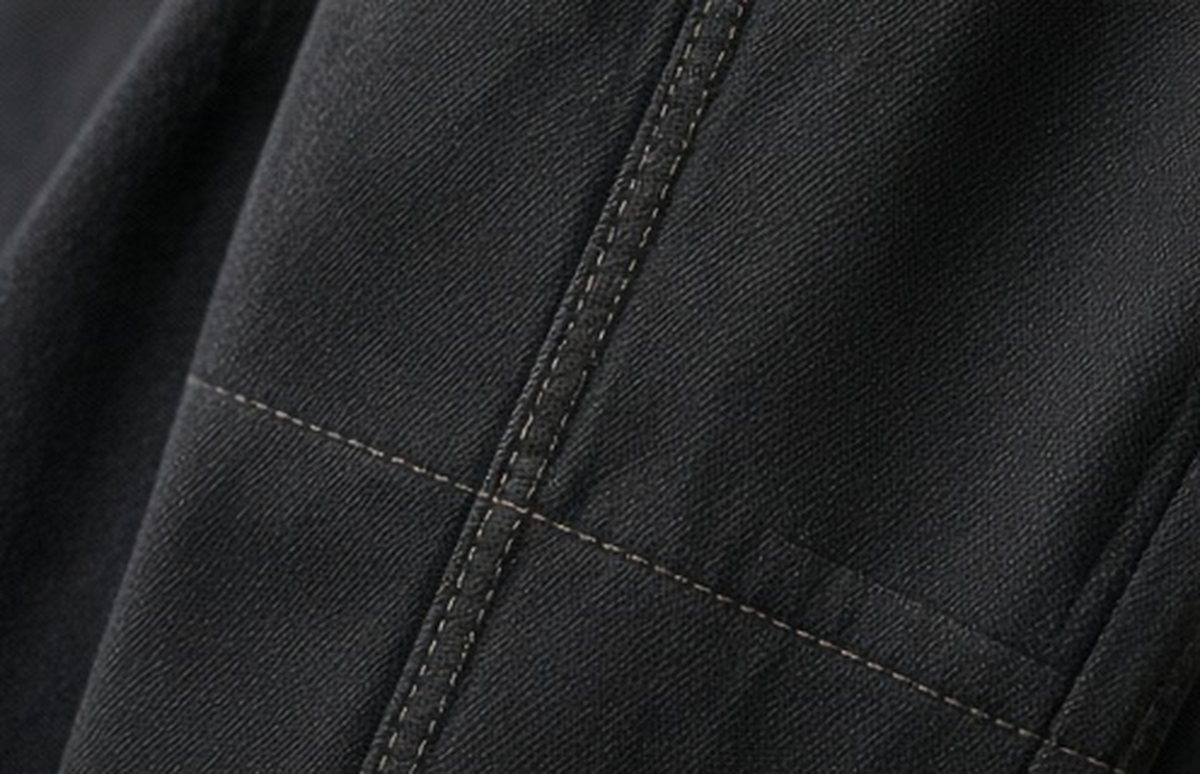
Use the exact garment's guidance, not a generic routine for one fibre you think you recognise. Components and construction can matter alongside the main material. If instructions are missing and the care requirement affects your decision, ask before assuming the item can join your usual laundry process.
Consider how often you want to wear it and whether the necessary care is realistic. A beautiful piece can still be a poor match for a routine that cannot maintain it appropriately. Do not turn an environmental preference into a reason to ignore maintenance or imagine that reused materials need no further attention.
Build one ordinary outfit around it
Choose existing shoes, layers and a lower or upper half as appropriate. Let the garment's visual interest do the work without assuming every supporting piece must be new. A distinctive item can be useful precisely because it fits into an otherwise familiar outfit.
Name a real day when you would choose it. If it belongs mainly to a special occasion, acknowledge that role rather than inventing daily versatility. You do not need to justify a colourful or unusual piece by claiming it replaces every basic. You do need a realistic relationship between its appeal and the life in which it will be worn.
Keep the story and the evidence together
Save the item-specific details that matter: measurements, care, identified variant and any clarified condition note. These records can help with future repair or passing the garment on. Keep the source of each claim clear rather than presenting a brand story as your own verified investigation.
A thoughtful reused-material purchase can value both the narrative and the practical object. The strongest choice is the exact garment you understand and want to use, not an abstract promise that every patchwork piece is automatically comfortable, low-maintenance or environmentally preferable in every comparison.