
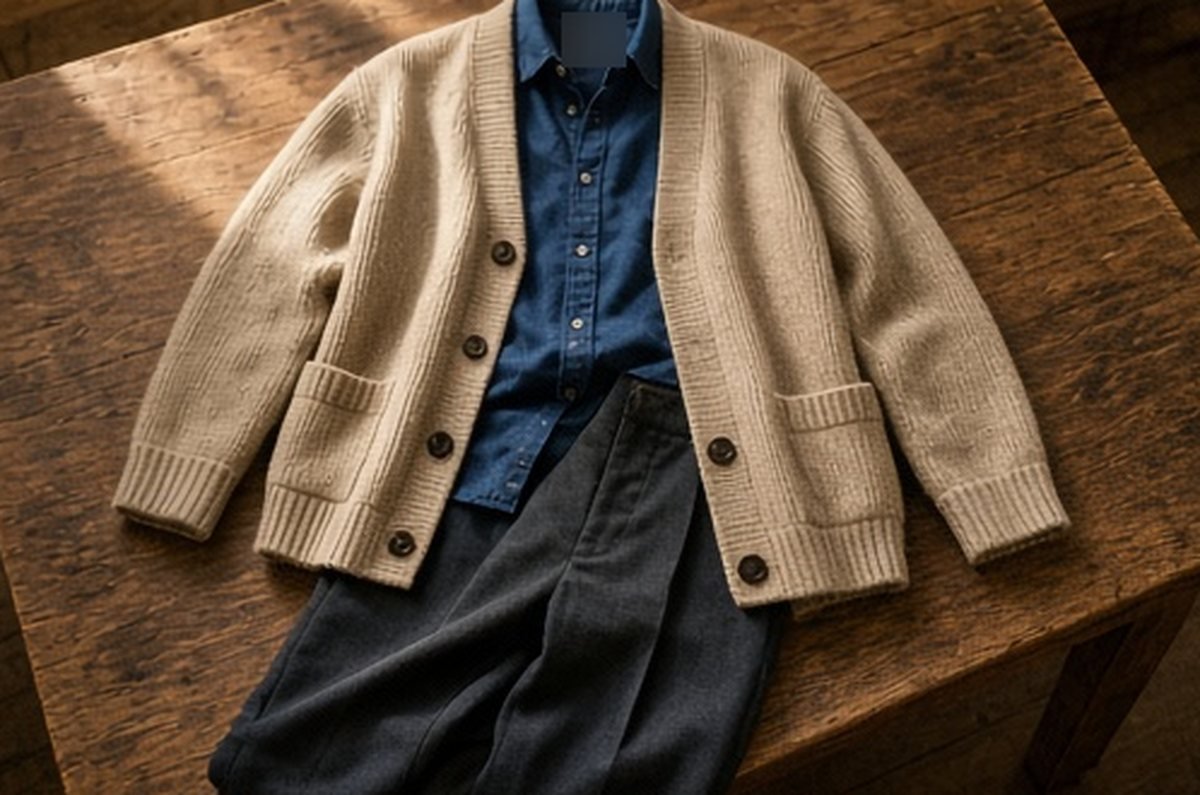
Helping at an event can involve a different clothing day from attending as a guest. You may arrive early, spend time setting up, move between indoor and outdoor spaces and leave after the main gathering has finished. An outfit chosen only for the public part of the event can miss the most demanding hours.
Start with the organiser's actual requirements and the tasks you have agreed to do. This is an ordinary wardrobe-planning guide, not advice about protective equipment or specialist workwear. If a task requires particular safety clothing or training, follow the relevant instructions rather than adapting a fashion outfit to an unsuitable role.
Ask what the role includes
Clarify whether you will mainly greet people, carry light supplies, serve in an agreed role or help with another ordinary task. Do not assume helper means the same thing at every event. The practical requirements follow from the work, not from the title on a message or invitation.
Check any stated clothing, footwear or identification requirements directly with the organiser. A guest dress code may not describe what helpers need. Keep the agreed scope clear; clothing should support the role you are actually equipped and expected to perform, not an unplanned activity that appears once you arrive.
Map the day before choosing pieces
Write the sequence from the journey there through setup, the event, clearing away and the return trip. Note where the setting changes and whether you can access a bag or change clothes. This can reveal that a layer or spare is useful even when the central event itself is indoors.
Do not create a separate outfit for every stage automatically. Look first for familiar pieces that can serve several appropriate parts of the day. The map is meant to expose transitions, not inflate the packing list. A few well-defined changes may be enough to keep the arrangement manageable.

Choose movement you already understand
Use clothing you know is comfortable for the ordinary actions involved. Check sitting, reaching and walking in the complete outfit rather than judging each garment separately. Respect any practical restrictions supplied by the organiser, and avoid assuming a loose or stretchy item is suitable for every task.
Think about sleeves, hems and accessories that may need repeated adjustment. Keep the assessment specific to your role. A long scarf or trailing detail may be enjoyable as a guest but inconvenient during certain tasks. You do not need to reject the garment generally; it may simply belong in another part of the day.
Give footwear a separate decision
Follow the actual footwear requirements and consider the surfaces, standing and walking expected. Do not choose unfamiliar shoes solely because they complete the event outfit visually. A generic claim that a style is comfortable cannot establish whether it suits your feet or the work.
If you plan another pair for the guest-facing portion, establish where you can change and how the unused pair will be stored. The extra pair should have a clear role rather than become another object to manage. If the event has a specific safety requirement, appearance is not a substitute for complying with it.
Plan layers for the quiet hours too
Arrival and departure may involve conditions different from the busiest part of the event. Choose appropriate outer layers for those real stages rather than assuming the main outfit covers the entire timeline. Check how you will carry or store a removed layer without occupying an unsuitable shared space.
Use a familiar combination where possible. A layer that is easy to remove but has nowhere practical to go can become a recurring nuisance. Consider bag capacity and confirmed storage arrangements before deciding. Do not rely on an unverified cloakroom, spare room or vehicle access simply because it would make the plan easier.
Keep one useful change accessible
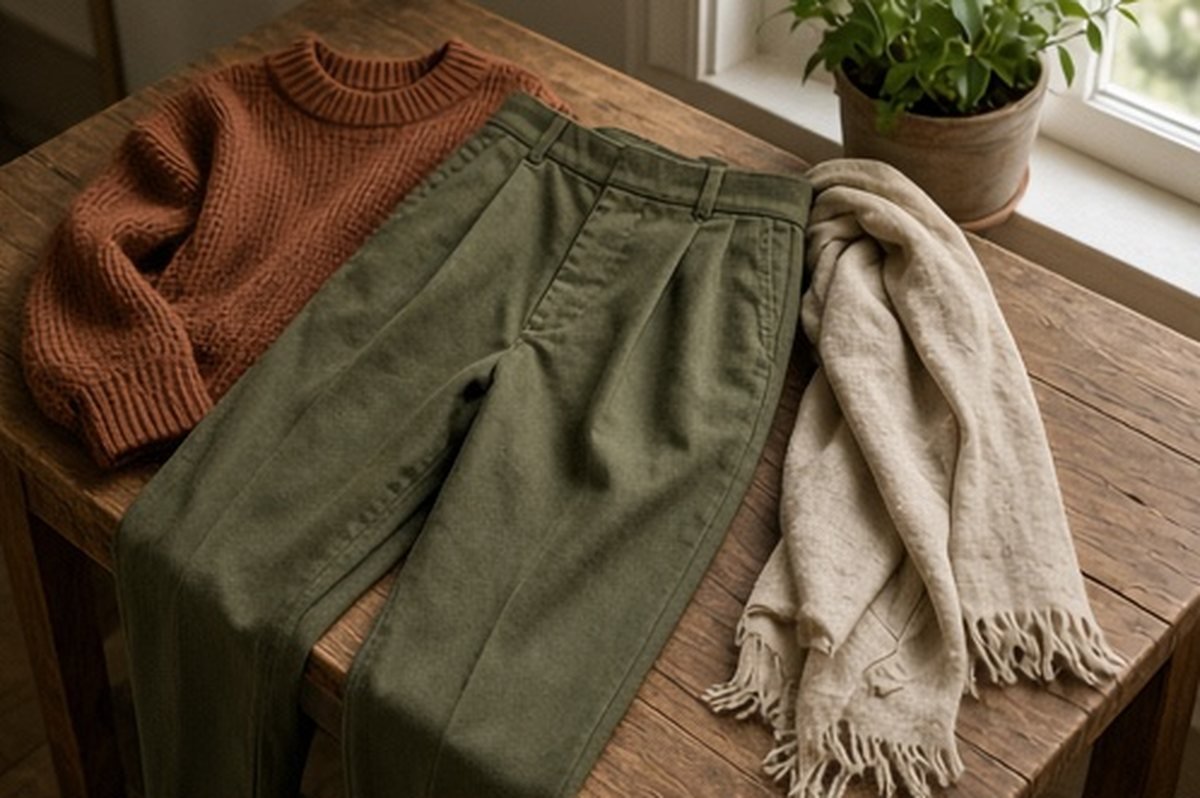
Depending on the role and duration, a spare top or complete change may be sensible. Define what it would solve: a spill, a change between tasks or the need for a clean outfit afterward. The necessary bundle should be reachable at the point where you could actually use it.
Include any essential underlayers rather than packing only the visible piece. Keep clean clothing separated from used items and attend appropriately to anything damp or soiled. A spare is not an instruction to continue an unsuitable task; it is an ordinary comfort arrangement within the agreed role and the facilities available.
Include care after the event
Read the garment labels before choosing clothes for a day that may create extra cleaning needs. Do not assume a particular fibre or dark colour makes a piece maintenance-free. If the care process is difficult to provide promptly, another familiar garment may be a more practical option.
Afterward, sort items by their actual condition and care requirements. Record any damage that needs assessment rather than returning the outfit to storage with a vague intention to deal with it later. A useful event wardrobe plan ends with the clothes ready for their next appropriate use, not abandoned in a bag.
Keep the next plan proportional
Note which part of the day created the clothing difficulty. It may have been an inaccessible spare, an awkward sleeve or a layer you could not carry comfortably. Those specific observations can improve the next plan without requiring a dedicated wardrobe for occasional helping roles.
The successful outfit supports the whole agreed day, including the less visible hours. It respects the organiser's requirements, uses familiar workable pieces and leaves room for a practical change when needed. Looking appropriate matters, but so does being able to carry out the role comfortably and return home without an outfit that has become another task.