
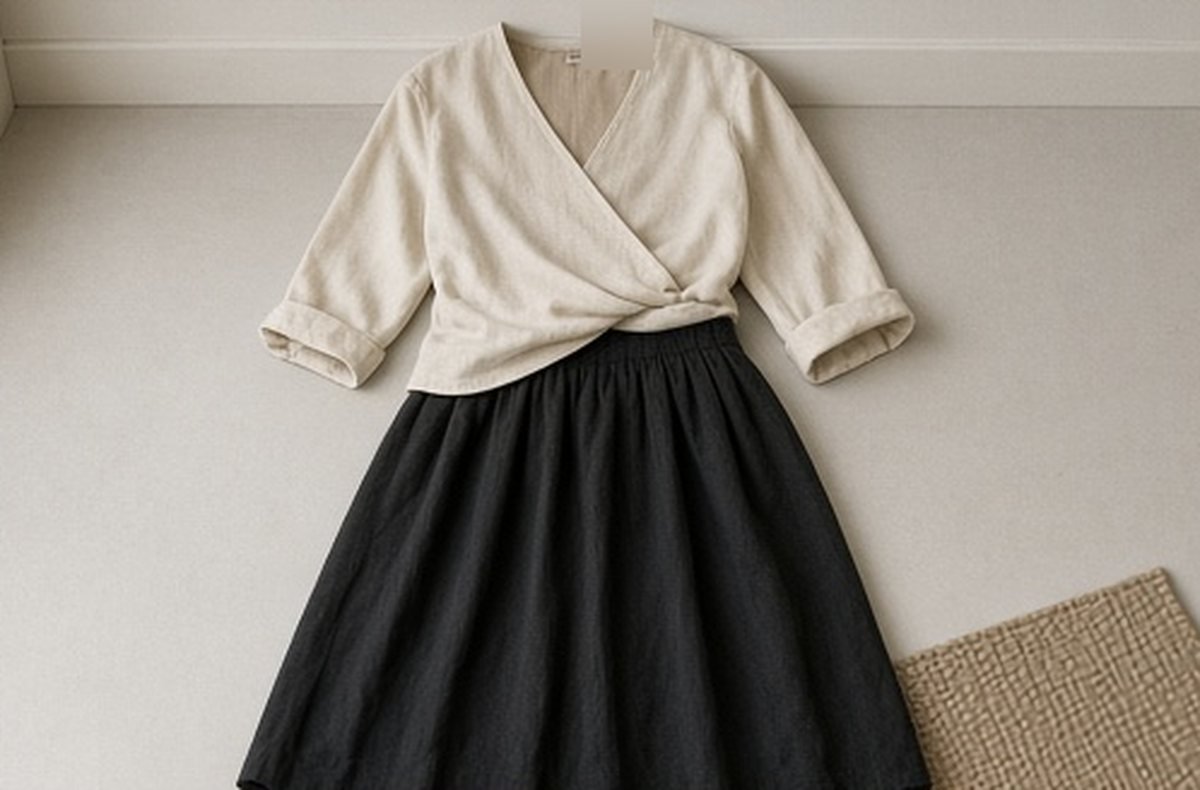
A wrap-style top can offer an appealing shape without answering every question about coverage. The neckline you see in a standing product photograph is only one arrangement on one wearer. Before choosing the style for work or travel, consider the position in which you actually spend the day and the layers you prefer underneath.
Per the brand, wool& lists a Natalia Wrap Top among its clothing. The name identifies an option to investigate; it does not establish a universal fit, a specific adjustment mechanism or coverage on every body. This guide is a fitting framework, not a hands-on review or a recommendation to choose a size from appearance alone.
Define the neckline you want
Begin with your own preference rather than a rule about what a wrap neckline should look like. You may want a particular amount of coverage for work, enjoy a more open neckline or prefer a base layer beneath it. Those are different briefs and can lead to different decisions about the same garment.
Use a top you already wear comfortably as a reference. Describe the neckline position and how it behaves during ordinary movement. A clear preference is more useful than a vague hope that a wrap style will be universally flattering or adjustable enough to resolve every fitting question.
Read the construction before assuming adjustability
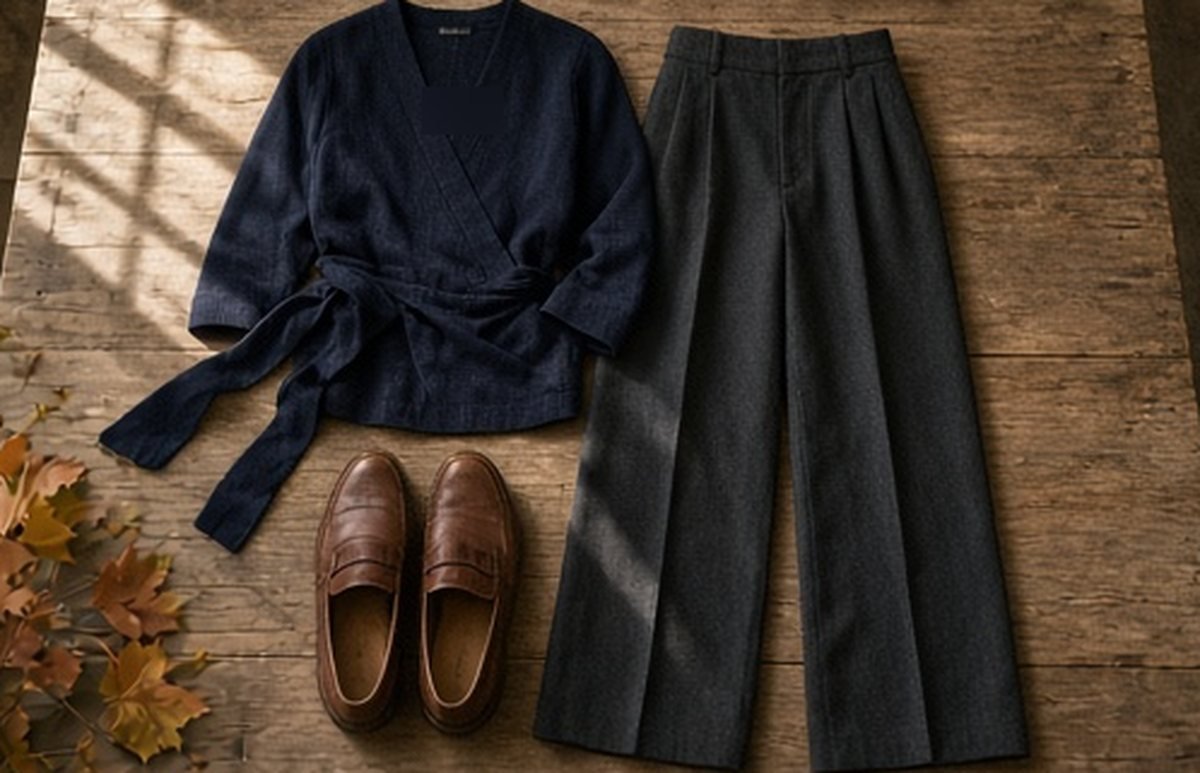
Check the exact product description and photographs for how the top is made and put on. A wrap-style name does not by itself tell you whether an opening is adjustable, fixed, secured by a particular component or arranged in another way. Ask if a detail matters and is not clear.
Do not plan to tie or fasten the garment differently from its intended construction without understanding the consequences. Nor should you assume every wrap top works like another one you own. The useful comparison is between the actual item and your requirements, not between broad style labels.
Compare shoulders and torso as well
Neckline position can interact with the rest of the fit. Consider shoulder placement, upper-body room and body length using the measurements and method supplied by the seller. A larger size may change several areas rather than simply adding coverage where you want it.
During a careful fitting that respects return conditions, let the garment sit naturally. Avoid holding the neckline in a preferred position for the mirror photograph. If the desired result requires constant adjustment, record that as useful information. A different cut may answer the requirement more directly than repeatedly changing size without a clear reason.
Sit and reach as you normally would
Try the ordinary positions relevant to your day: sitting at a desk, reaching forward or bending gently to pick up a nearby object. Do not strain the garment or turn the fitting into a vigorous test. The aim is to notice whether the neckline remains comfortable and suitable for your preference during familiar movement.
A still photograph cannot establish that experience. Equally, no top has to look identical in every position to be useful. Decide what changes are acceptable to you, and distinguish a momentary shift from an arrangement that would demand repeated attention throughout the intended activity.
Include the intended base layer
If you plan to wear a camisole or another top underneath, try that exact combination where possible. Check neckline relationships, sleeve comfort and how the layers sit around the waist. A base layer should be something you genuinely want to wear, not an unplanned purchase required to make an uncertain top acceptable.
If you prefer no visible underlayer, keep that preference in the brief. Do not assume you will be happy adding one later simply because the outer garment is attractive. The useful result is an outfit that meets your comfort and coverage needs without creating an ongoing negotiation each time you dress.
Assess any proposed alteration separately
If the top would need an additional fastening or another change to work for you, establish feasibility with an appropriate alterations professional before committing. A small-looking adjustment can affect drape, fit or fabric support. This article cannot establish that a specific modification is possible or advisable.
Do not pin, stitch or apply adhesive to a garment you may return. Respect the seller's conditions and keep the original construction intact while deciding. If an alteration is essential, include its practicality and cost in the overall choice rather than treating it as an effortless solution deferred until later.
Read exact material and care details
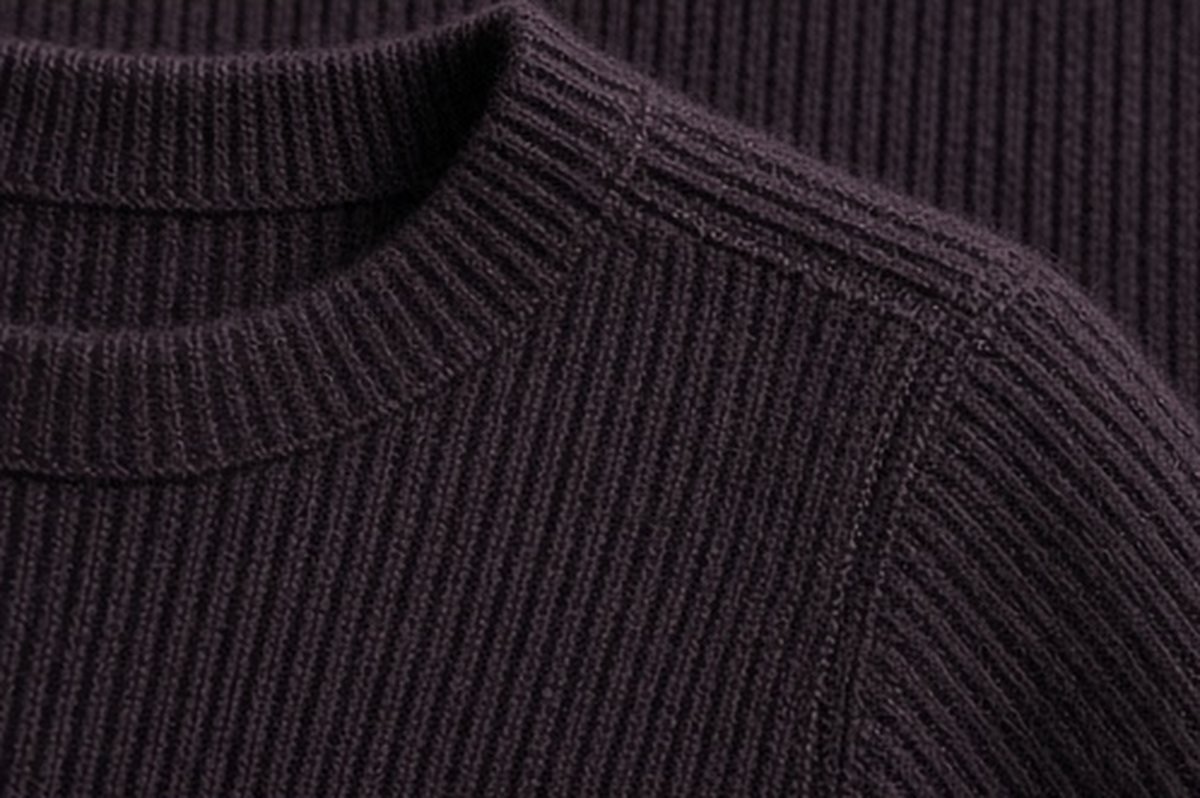
Check the composition and care information for the actual item rather than inferring a percentage from the brand's merino focus. A fibre name is not a complete cleaning routine, and another garment from the same brand may have different requirements. Follow the label when the top arrives.
Consider how often the outfit needs to be available and whether your laundry arrangements support that use. Do not make a wear-frequency or drying-time promise from the fabric story. A useful repeatable outfit depends on the real state of the clothes and the care you can provide, alongside the fit you enjoy.
Keep the combination that needs least negotiation
If the top works, save the particular bottom, underlayer and outer layer that make it comfortable. A clear combination can be more valuable than many hypothetical outfits. You do not need to prove that the piece suits every neckline preference or every setting.
If it does not work, keep the conclusion specific: the coverage, construction or fit did not meet your brief. That is enough. A versatile wardrobe is built from pieces you can use without repeated adjustment, not from persuading yourself that an appealing style name should override what you notice in ordinary movement.