
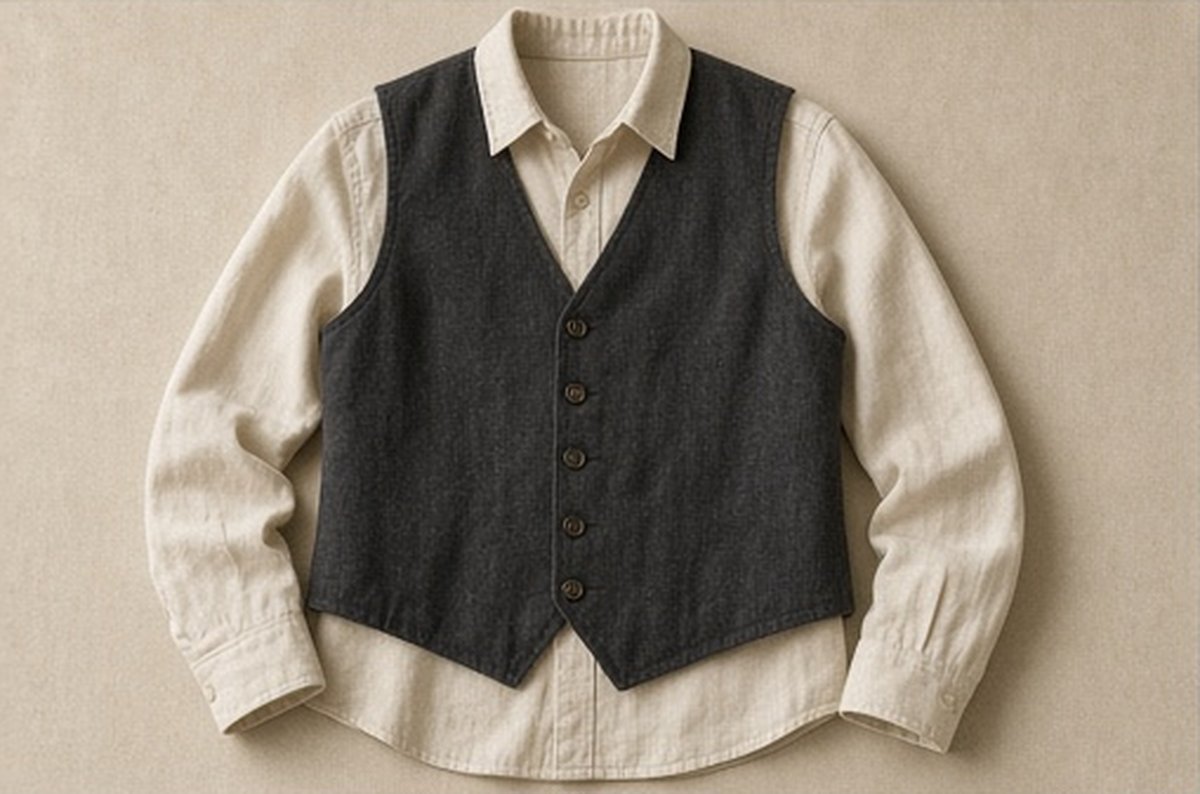
A vest can look like the missing piece in a styled outfit while quietly bringing a shirt, skirt and shoes into the shopping decision. Separate the actual item from the photograph before deciding whether it fills a wardrobe gap. The useful test is whether it works with clothes you already choose to wear.
Per the brand, Chillinen lists a cotton vest with wording that the shirt and skirt are not included. That is a product-description detail, not a full composition statement or a fit review. Treat the vest as one separate garment and build the comparison around two familiar shirts, rather than assuming the whole pictured arrangement must be bought together.
Pick two genuinely different shirts
Choose shirts you already own and use, not two hypothetical purchases. They might differ in sleeve shape, body length or neckline. The point is to learn how the vest interacts with a real range in your wardrobe, not to create a requirement that every shirt must work beneath it.
If you only wear one shirt regularly, start there and leave the second comparison open. Do not buy another layer merely to complete the exercise. A vest can earn a place through one useful combination, provided you are honest about how often that combination serves your actual days.
Read the vest's exact construction
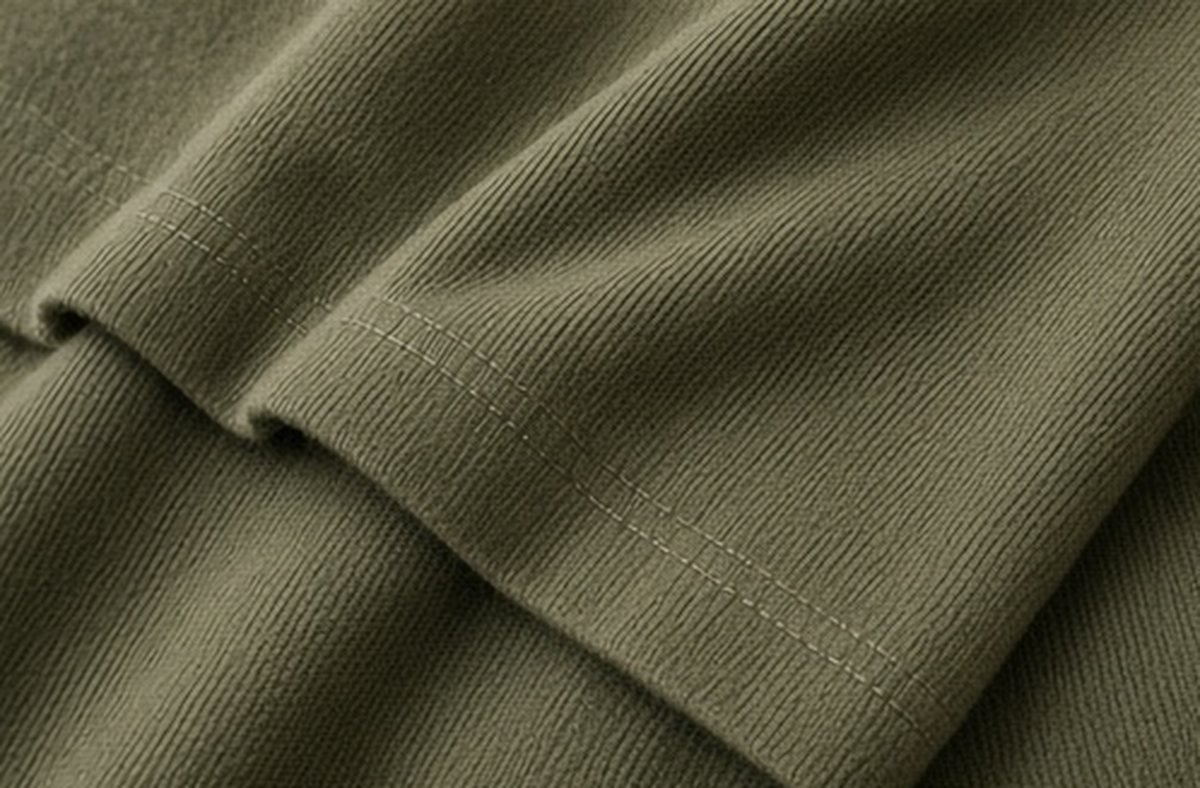
Check measurements, openings, fastening and composition for the selected item. The word cotton in a title does not identify every percentage, lining or component. A styled image may suggest an arrangement, but it cannot establish room over the sleeves or collar of your own shirt.
Use the seller's measuring method where available and compare a suitable existing layer. Do not assume an opening or adjustable detail exists unless the product information establishes it. If a specific dimension matters, ask for clarification before turning a loose-looking photograph into a confident layering plan.
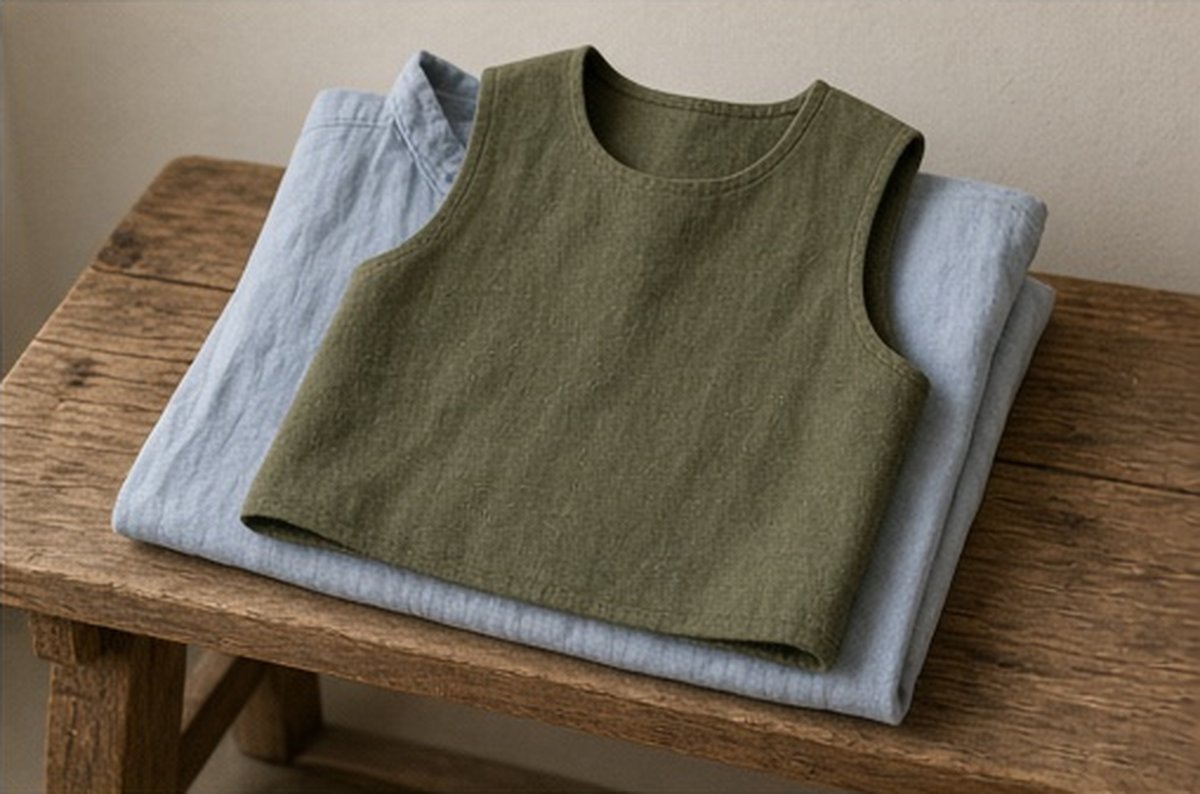
Build the first outfit without extra accessories
Use shirt one, a familiar bottom and ordinary shoes. Add the vest only if you own it or have an appropriate fitting opportunity within the applicable conditions. Check whether the outfit feels useful without buying a belt, scarf or other supporting piece.
Notice where the shirt hem sits and whether you prefer it tucked or loose. Keep the arrangement natural rather than holding fabric for a mirror image. A vest may change the visual balance, but it should not need constant rearrangement to make the outfit acceptable for ordinary movement.
Compare the second shirt on equal terms
Keep the same bottom and shoes initially so you can see what the shirt change actually does. Check the sleeve and arm opening interaction, neckline and body length. A different shirt can reveal a limitation that the first combination did not show, without making either garment wrong in itself.
Do not count the second outfit as a success merely because the colours coordinate. Sit and reach gently, respecting any fitting conditions. If fabric bunches or a collar feels uncomfortable, identify that specific interaction. Another size may not solve a local construction mismatch, so keep the question open rather than automatically sizing up.
Decide how the vest will be worn
If the construction permits more than one ordinary arrangement, assess the versions you actually intend to use. An open and fastened vest can have different coverage and movement requirements. Do not assume both are useful simply because both appear possible in a photograph.
Choose the arrangement that suits your preference and setting. A garment does not need to be maximally multifunctional to be valuable. It needs a role you can repeat comfortably. If the preferred version depends on an underlayer you dislike, the apparent versatility may be less useful than the product styling suggests.
Add the outer layer last
Try the likely coat, jacket or cardigan over the completed outfit. Consider the combined sleeve and body volume, not just whether the vest itself seems light. Layers that work separately can become awkward when stacked, particularly when you sit or remove the outer piece.
Plan what happens indoors if you take the vest off. It may remain worn all day, or it may need appropriate storage. The answer should fit the real routine rather than an imagined styling sequence. A layer is more useful when both its worn and removed states are manageable.
Keep care specific to each piece
Read the vest's actual label and the shirts' separate instructions. Similar colours or shared cotton language do not establish one cleaning process. The outfit may be worn together while its components enter different care routines afterward.
Check whether the combination remains available through normal laundry intervals. If the only compatible shirt is frequently waiting for care, notice that limitation before buying another garment to solve it. The practical answer may be a different existing shirt, a revised routine or deciding that the vest does not fill an urgent need.
Count the useful outfits, not the imagined set
Write down which shirt worked, how you wore it and the bottom and outer layer involved. One clear repeatable outfit can be more valuable than several vague possibilities. Keep unsuccessful combinations as specific notes rather than a verdict that the vest should somehow suit everything.
A separate purchase should stand on its own relationship with your wardrobe. The brand's not-included wording is a useful reminder to pause before reproducing a whole photograph. Choose the vest if it adds something you want to use, not because the surrounding styled pieces made one item look like an entire wardrobe solution.