
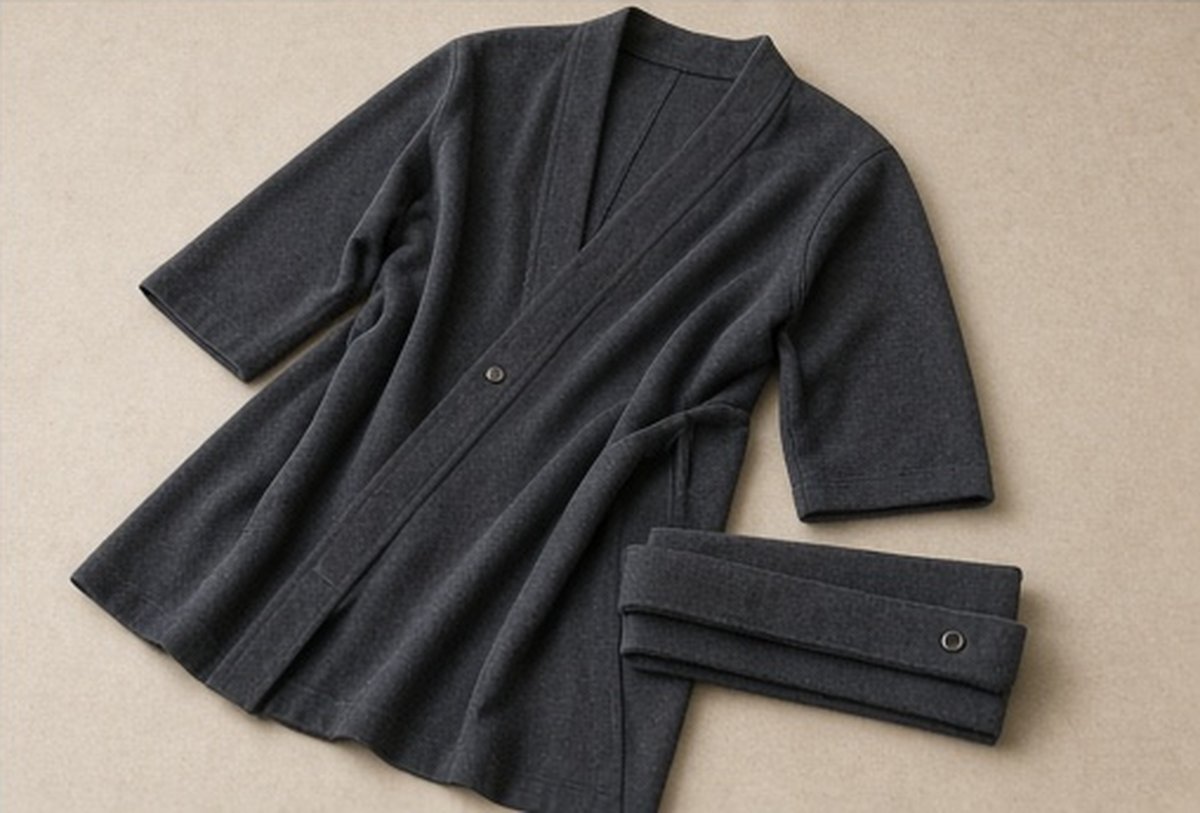
A multiway garment offers possibilities, but a useful wardrobe needs versions you can actually wear. The number in a product description is not automatically the number of separate garments you can remove from a suitcase. Start with the styles that fit your own activities and that you can reproduce without turning dressing into a puzzle.
Per the brand, Encircled's Chrysalis Cardi has eight styling options, hidden hand-sewn metal snaps, an included belt and a printed lookbook. Those are attributed product details, not evidence that every version will replace an item in every wardrobe. This guide is a practical planning method, not a wear test.
Choose one immediate outfit role
Begin with a specific occasion and the version you would most likely use. A dress arrangement and an open layer may need different companion clothing. Decide what the garment must do first rather than trying to justify every possibility at once.
List the shoes, underlayers and outerwear that remain necessary for that role. Those supporting items still occupy space and need to work together. A multiway piece may simplify the wardrobe, but the calculation should include the complete outfit rather than counting the featured garment in isolation from everything required to wear it comfortably.
Read the exact version's information
Check the selected colour or print, measurements and material details directly. Do not assume every version has an identical composition because the product shares a name. If the information is unclear for the item you want, ask the brand before making it central to a packing plan.
Use the same care with fit advice. Where guidance appears inconsistent or leaves a question about your preferred drape, seek clarification rather than adopting a universal size-up or size-down rule. The aim is a suitable complete item, not a clever interpretation of fragments from different parts of a page.
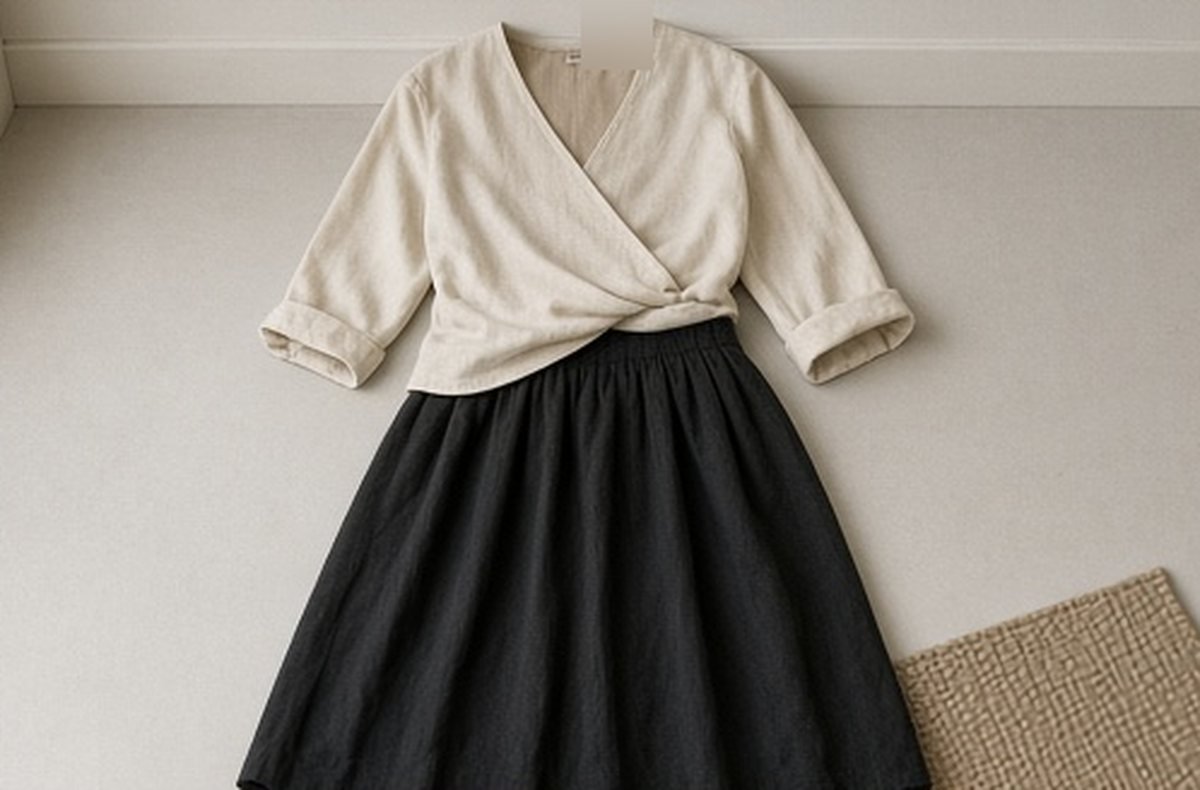
Learn the intended arrangement
Use the brand's actual instructions for the chosen style. Identify the relevant fastenings and belt arrangement instead of improvising a method that looks similar in a photograph. Do not force a closure or assume every fabric fold is meant to carry tension.
Practise gently where appropriate and respect any applicable fitting conditions. If you cannot reproduce the arrangement comfortably, count it as unresolved. That does not make the garment unsuccessful; it simply means the version has not yet earned a dependable role in your own routine. A hypothetical possibility should remain a possibility in the packing notes.
Test the complete outfit normally
Add the actual supporting pieces and check ordinary sitting, standing and gentle reaching. Notice whether the arrangement stays comfortable or needs repeated adjustment. A style that looks appealing for a moment may not suit the way you want to move through a day.
Keep observations personal rather than turning them into universal product claims. Your preferred neckline, coverage or fabric volume may differ from another person's. The useful outcome is knowing which version you would genuinely choose, not proving that you can reproduce the maximum number of looks shown in the brand's presentation.
Count changes you can manage away
Consider the real transition between styles. Will you have a suitable place, enough time and the instructions you need? An outfit change that is straightforward at home may be inconvenient in the middle of an itinerary. You do not need to plan public or hurried adjustments to demonstrate versatility.
Choose a sequence that works with your actual day. Sometimes one stable version is more useful than several changes. Multifunctional clothing supports a simpler wardrobe when the process remains comfortable, not when the wearer feels obliged to keep transforming it to make the purchase seem worthwhile.
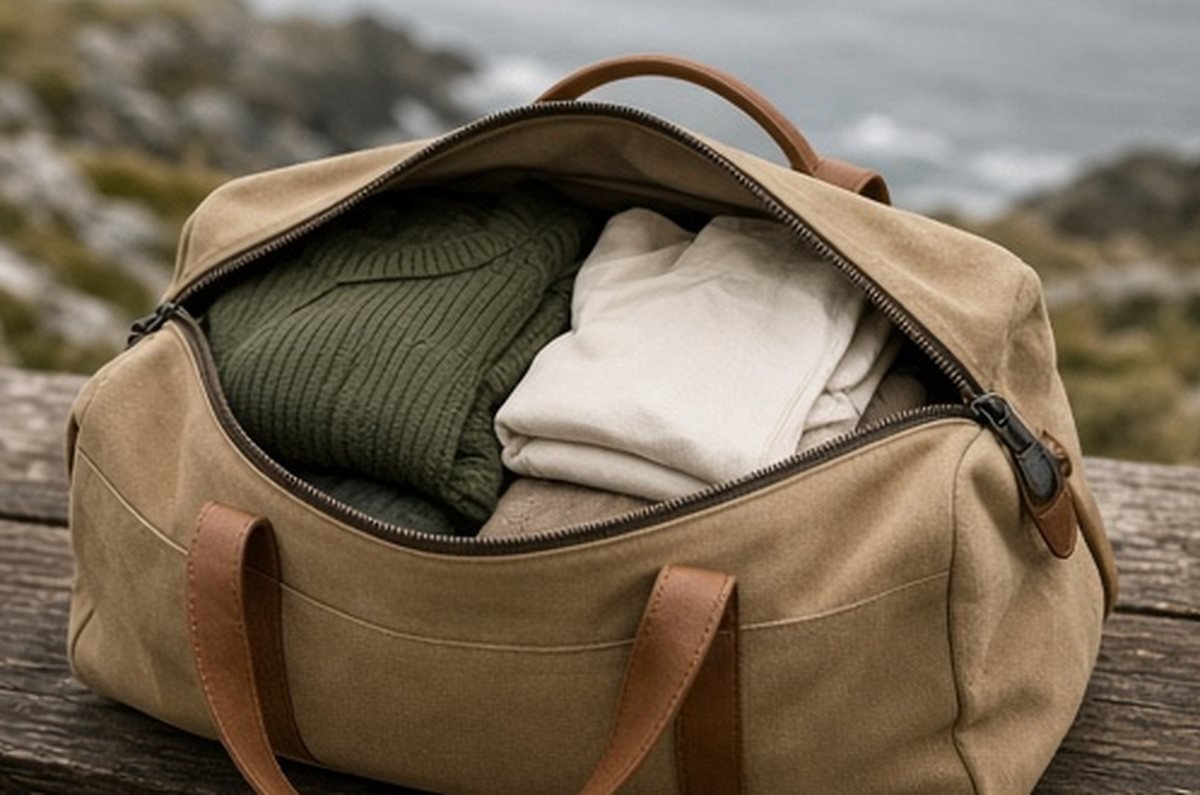
Keep the single-garment limit visible
Several styling options still belong to one physical item. If it needs cleaning, drying or other attention, the theoretical versions are not separately available. Do not count a cardigan version and a dress version as independent clean garments in a laundry plan.
Build an appropriate fallback from clothing you already own. That is not an argument against multiway dressing; it is an honest account of availability. The same reasoning applies to any frequently used piece. A compact wardrobe works best when its care sequence is plausible rather than hidden by an impressive styling total.
Establish the actual care route
Read the garment label and clarify any conflicting product-page instructions before choosing a routine. Do not select a convenient drying method from one part of a page while ignoring another. The complete item, including its fastenings and construction, needs the applicable guidance.
Check whether the required facilities will be available during the trip or ordinary week. Avoid assuming a material description makes care irrelevant. A versatile item can be very useful and still require planning, especially when several outfits depend on the same piece being ready to wear again.
A simple instruction reference can be useful when practising, but it should support a familiar process rather than hide an unresolved one. If the selected version still requires repeated correction, keep another outfit available and give yourself time to decide whether that arrangement belongs in the routine.
Make a personal version list
Record confirmed combinations with the companion garments and any instruction reference you need. Keep untried versions in a separate section rather than counting them as reliable outfit slots. Update the list after actual experience, not after imagining what you might learn under time pressure.
The meaningful number is the number of versions you comfortably use. One or two dependable arrangements may be enough to make the piece useful. A multiway design offers options; a realistic wardrobe plan selects among them, keeping fit, handling and care visible instead of treating a product's styling count as a guaranteed reduction in luggage.