
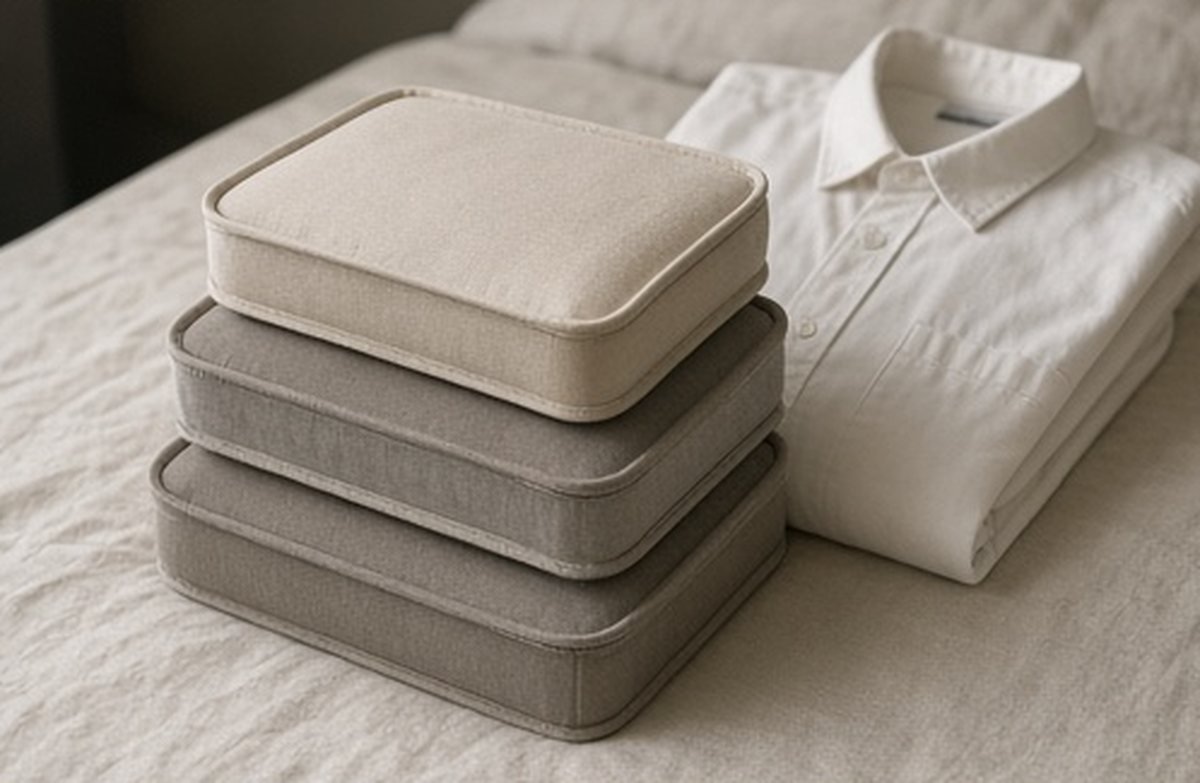
Packing a wardrobe for a move is not the same as packing for a holiday. The destination may be familiar in theory but not ready for ordinary dressing, laundry or storage. Set aside a small clothing supply for the first two days so the rest of the wardrobe can remain packed until there is an appropriate place for it.
Two days is a planning starting point, not a guaranteed timetable for every move. Adjust for your actual circumstances, activities and access to belongings. The useful idea is separation: an accessible, realistic sequence of clothing that does not depend on finding the right box, assembling storage or immediately using laundry facilities that may not yet be available.
Map the immediate activities
List what the first days actually involve: travel, practical moving tasks, rest and any confirmed appointments. Choose suitable clothing for each rather than creating a miniature version of your ideal settled wardrobe. Clothing for a specific task may need to meet requirements beyond ordinary outfit preference.
Keep the list grounded in what you know. Do not add hypothetical social plans merely to make the capsule feel complete. The first-days supply is a working arrangement that should reduce searching and uncertainty, not another wardrobe project competing with the many decisions already involved in a move.
Choose ready garments you understand
Use familiar clothing whose fit and care you already know. Check that the selected pieces are actually ready to wear rather than waiting for cleaning, repair or an alteration. A favourite item is not useful in the accessible bag if an unresolved task prevents you from wearing it.
Include the necessary personal basics for your own needs without assuming everyone can use the same repeat-wear schedule. The purpose is a realistic supply, not a numerical packing challenge. A slightly larger practical set can be simpler than a smaller one that depends on immediate laundry or uncomfortable compromises.
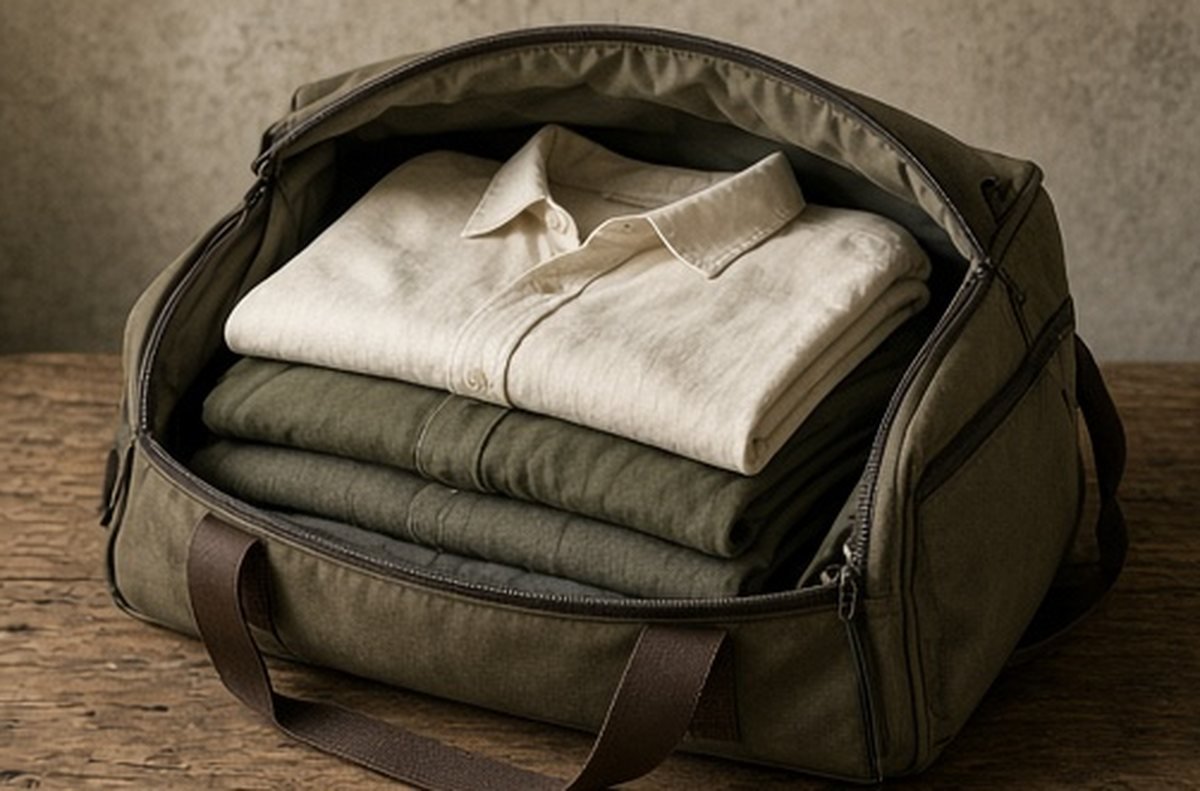
Keep the complete outfits visible
Think in sequences rather than loose categories. Match the tops, bottoms or other main garments with the relevant underlayers and shoes. A bag containing several attractive tops but no suitable lower half is not a useful first-days wardrobe.
Check the likely conditions and include appropriate layers without treating ordinary clothing as specialist protection. If one piece serves several combinations, remember that it remains one physical item. It may need attention after use, so do not count every theoretical outfit as separately ready when they all depend on the same garment.
Separate the accessible supply early
Pack this clothing before the main wardrobe disappears into boxes. Use a suitable bag or container you can identify and access through the actual moving process. Do not assume that a clearly labelled box will necessarily be reachable at the moment you need it.
Keep the arrangement consistent with the transport plan and relevant safety requirements. This guide does not establish where every person should carry every belonging. The practical question is which items remain available to you during the first stages, rather than relying on a promise to unpack everything in a particular order.
Add a place for used clothing
Plan how worn or soiled items will remain distinct from the ready supply. Use an appropriate arrangement for the garment's condition and care needs. Do not seal damp clothing away and forget it simply because the rest of the move is demanding attention.
The first two days may generate a different laundry pattern from an ordinary week. Reassess the supply as items are used instead of assuming every piece will remain available. A small separate wardrobe works when its state is clear, not when everything is returned to the same bag regardless of whether it is ready to wear again.
Avoid an immediate laundry dependency
Check what facilities will genuinely be available before planning to refresh garments straight away. A machine's presence does not establish that the full cleaning and drying process is ready or appropriate for every item. Keep the actual care labels in view.
If access remains uncertain, choose a realistic supply of ready clothing rather than inventing an overnight drying promise. This may mean adjusting the quantity or selecting different familiar garments. The aim is fewer urgent decisions on arrival, not proving that a strict capsule count can survive conditions it was never designed to accommodate.
Unpack into suitable space
When the main wardrobe is ready to emerge, check the storage area before filling it. Choose appropriate surfaces and support for the garments, and keep the first-days supply identifiable until the wider arrangement actually functions. A partially assembled system may not yet be the place for every item.
Do not turn the move into an obligation to redesign or replace the whole wardrobe immediately. Restore ordinary access first. Questions about what to keep, repair or change can be considered with more attention once clothing is visible and daily needs are no longer being met from an uncertain pile of bags.
Close the temporary system deliberately
After the transition, return ready pieces to their appropriate locations and route used garments through their actual care process. Check the accessible bag for overlooked clothing and small belongings. The temporary arrangement should end clearly rather than becoming permanent overflow outside the new wardrobe.
A first-days clothing supply is a simple buffer between packing and settling. It lets the rest of the wardrobe move at a sensible pace without making every ordinary outfit depend on a box search. The value lies in ready, relevant clothing and a clear sequence, not in buying a new travel capsule for a journey between homes.