
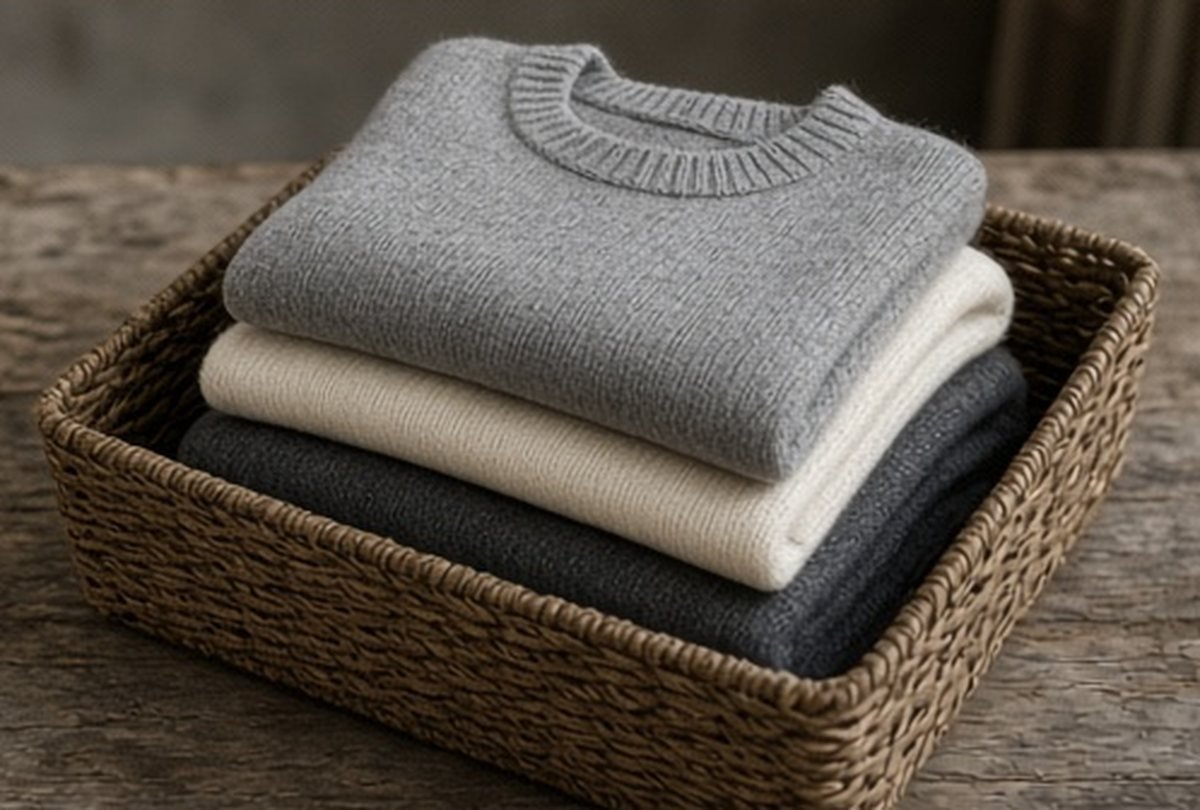
A box marked winter clothes tells you a category, not whether the particular cardigan you want is inside. When clothing moves into off-site or otherwise inconvenient storage, the difference matters. Make a short retrieval list before access becomes a project, and connect that list to the actual container and location.
This guide concerns organisation, not a guarantee that a storage space suits every textile. Establish an appropriate environment and follow each garment's care and storage needs first. A detailed inventory cannot compensate for unsuitable conditions. Once the practical storage route is appropriate, a modest list can make the clothing easier to use again rather than turning it into a forgotten second wardrobe.
Confirm what deserves storage
Choose garments you realistically intend to use again, while keeping uncertainty honest. A piece waiting for repair or a fit decision may need a separate appropriate route instead of disappearing into a seasonal category. Do not let a tidy box postpone every unresolved clothing task.
This does not require an immediate clear-out. You can retain an uncertain item deliberately, provided its state is recorded and the storage is suitable. The useful distinction is between a ready garment stored for later and an unresolved project whose existence you might otherwise forget until the next change of weather.
Give each container a clear identity
Use a simple identifier that connects the physical container to the record. Category words can be added, but they should not be the only way to distinguish several similar boxes. Keep the identifier readable through the actual handling and storage arrangement.
Do not mark garments themselves or use attachments that may be unsuitable for the material. The list belongs to the storage system. An existing notebook or digital note can work if it remains available when you need it. There is no requirement to buy an app or specialist labelling equipment before making the distinction clear.

List recognisable items
Write descriptions that will make sense to you later: colour, garment type and one distinguishing detail can be enough. Avoid entries such as several tops if you will need to identify a particular one. The list should answer whether the item is there without requiring the box to be opened.
You do not need a product catalogue or every purchase detail. Include only information that supports retrieval and care. If two garments are difficult to distinguish, add a useful description rather than forcing yourself to memorise a code that does not connect naturally to the clothing you actually wear.
Record condition and missing components
Note a known repair need, an unresolved care task or a detachable component stored elsewhere. Appropriate preparation should happen before storage, but any remaining issue must stay visible. Do not let the category seasonal-ready imply a condition you have not established.
A short factual note is enough. Avoid diagnosing an unknown material problem or promising a future repair result. The record helps you choose the next action when the piece returns. It should not turn a hopeful plan into an assurance that the garment will be immediately usable on the morning you retrieve it.
Keep the real location with the list
Record where the identified container actually goes, including any practical access arrangement you need. A perfect item list is less useful when the box has moved and no one remembers which storage area now holds it. Update the location when it changes.
Respect shared space and agree access with the relevant people. Do not assume you can reach every container at any time simply because the garments belong to you. The storage plan should fit the actual arrangement rather than depend on somebody else's room, time or equipment being available without coordination.
Separate retrieval from immediate use
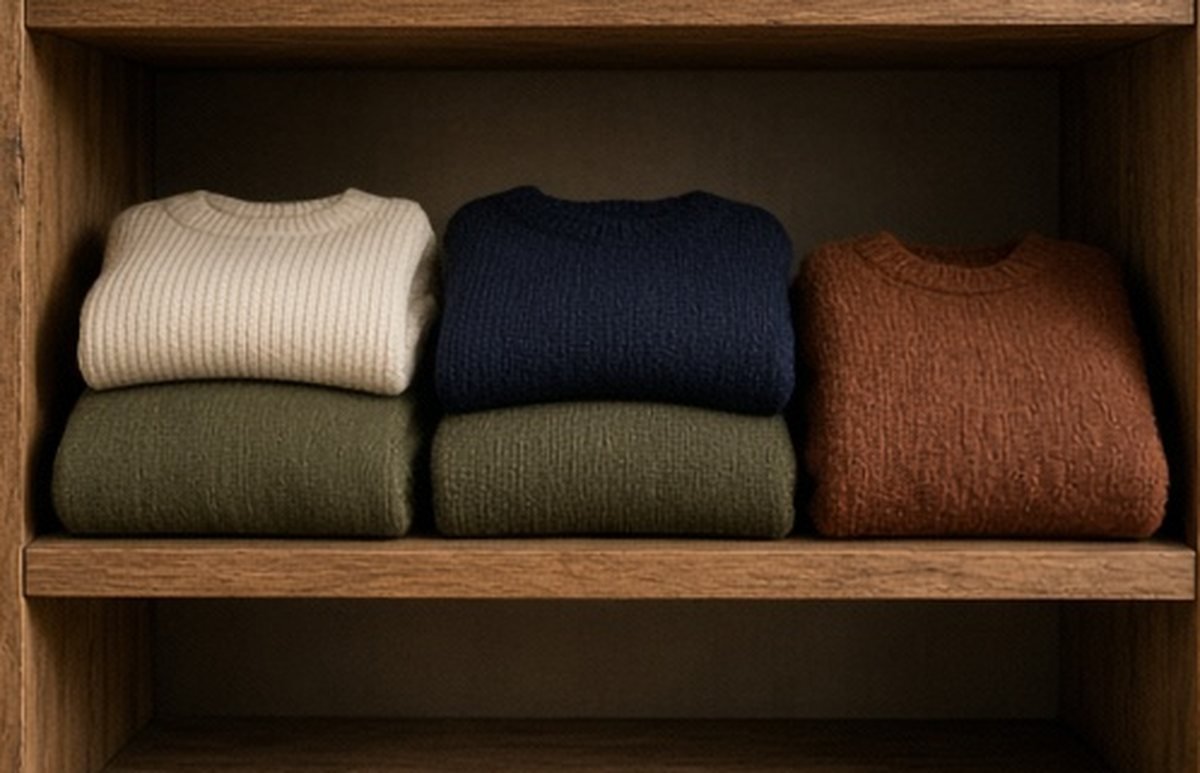
If a garment is needed for a specific occasion, plan appropriate time to retrieve and assess it. Do not count an unseen stored piece as a fully ready outfit until you have checked its actual condition and the complete combination. Storage can preserve access without eliminating the need for ordinary reassessment.
Keep a familiar alternative where timing matters. That does not mean the stored item has failed. It means the wardrobe plan distinguishes between owning a garment somewhere and having it ready for the next day. The list makes that distinction visible instead of hiding it behind an optimistic memory.
Update the list at the transition
When you remove an item, mark it as out and note any new location that matters. When you return clothing, update the contents to reflect what is actually packed. An accurate modest list is better than an elaborate one that stopped matching the containers after the first retrieval.
You can do this as part of the same handling session rather than creating a separate administrative task. Check detachable parts and known care information while the garment is present. The aim is preserving a clear connection between the record and reality, not producing a perfect archival description of every piece.
Consult storage before filling a gap
When a wardrobe need appears, check the list before assuming another purchase is required. You may already own an appropriate garment that is temporarily out of view. Equally, the record may show that the stored option is not ready or does not meet the actual brief.
The retrieval list earns its place by making that decision clearer. Clothing stored elsewhere can remain part of a usable wardrobe when identity, condition and location stay connected. A category label closes a box; a useful list helps you open the right one, at the right time, without treating forgotten clothing as though it no longer exists.