

By Sarah J. · December 6, 2025
For winter linen between visits, decide cleaning and pressing separately. Assess the garment’s actual condition and care instructions before choosing any finishing step; a smoother surface does not establish readiness, and a visible storage fold does not by itself tell you which treatment the item needs.
Key takeaways
- Assess condition separately.
- Follow the exact guidance.
- Keep the outfit realistic.
Check what actually happened
Identify whether the piece is ready, worn or waiting for attention. Keep known spills or other relevant history visible. Do not call an item clean merely because it has been folded neatly or pressed into a tidy outline.
Read the finishing guidance
Use only an appropriate method for the complete garment. Do not assume every linen blend or trim accepts the same heat or moisture. If instructions are missing or unclear, clarify them rather than choosing a process from another item.
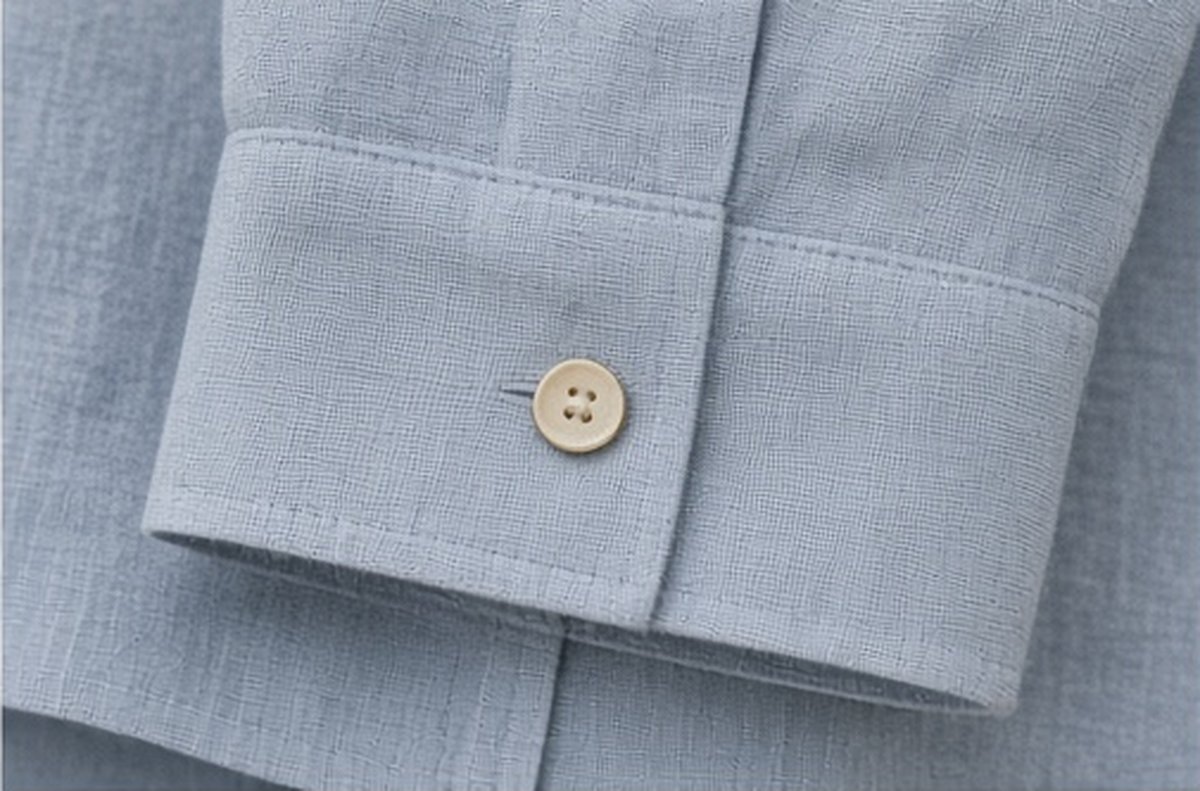
Plan the next wearing
Try the actual winter outfit before making appearance work the main priority. Decide whether the familiar natural texture suits the occasion. A realistic ready arrangement is more helpful than an unneeded finishing project that leaves no time for a genuine care requirement.
What should you assess before pressing winter linen?
Identify the garment and what has happened since its last appropriate care. Was it stored ready, worn briefly or put aside after a known spill? Keep that history separate from the visible folds. A neatly pressed piece may still need attention, while a clean garment may simply have acquired a crease in storage. Appearance is one part of the decision, not a complete record of condition.
Read the item’s actual care instructions before selecting a process. A linen label does not mean that every blend, trim, lining or fastening accepts the same treatment. If the guidance is missing or unclear, clarify the question for the complete garment instead of copying advice from a familiar shirt. Do not let the wish for a tidy surface become the reason to choose an unsupported heat or moisture setting.
How are cleaning and pressing different wardrobe decisions?
Cleaning addresses the care requirement appropriate to the item and its condition; pressing is a finishing decision about appearance where the garment’s guidance permits it. Do not treat one as proof that the other has happened. Keep known marks or other relevant needs visible rather than calling the piece ready because it now looks orderly on a hanger. The distinction is practical even when both steps eventually belong in the same care plan.
Make the decisions in a sensible sequence based on the actual instructions. If a genuine care need is unresolved, do not prioritise an appearance project simply because the crease is easier to notice. Equally, do not add a cleaning step solely to remove every ordinary fold without considering the garment and guidance. The useful question is what this item needs, not which task makes the wardrobe look most uniformly finished.
Does every visible fold need an extra finishing step?
No universal appearance rule applies. Decide whether the texture and folds are acceptable to you for the intended outing, then keep any chosen finishing within the item’s instructions. A relaxed surface may suit an ordinary visit, while you may prefer another appropriate finish on a different occasion. Neither preference establishes whether the garment is clean, more valuable or inherently more thoughtfully worn.
Try the actual outfit before committing time to a detail that may not matter in use. A winter layer can change which parts of the garment are visible, but it should not conceal an unresolved care need. Keep those two ideas separate: you can choose not to pursue a perfectly smooth appearance while still taking genuine condition seriously. A considered decision does not require a photographically uniform surface on every linen item.
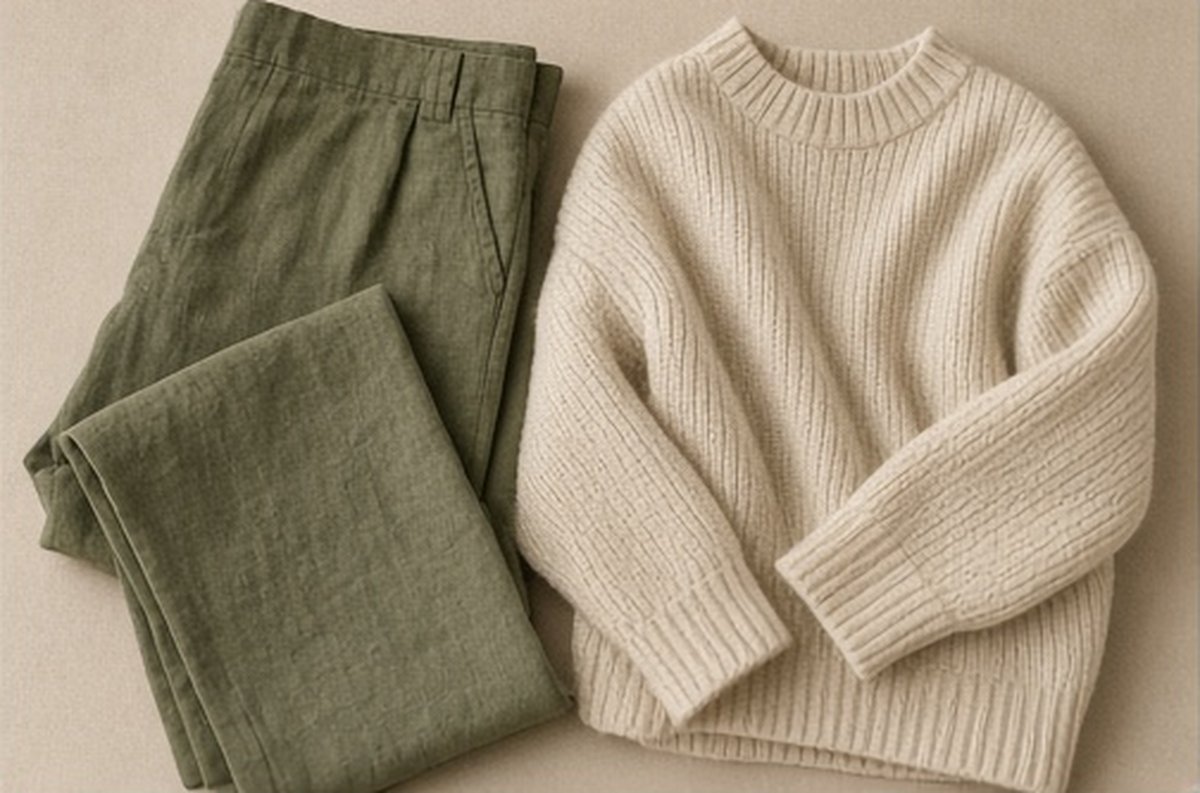
What changes when linen is part of a complete winter outfit?
Check the intended top, knit, coat or other layers together. Notice the shape and comfort of the actual combination rather than treating a finished garment on its own as a ready outfit. A piece can look tidy yet remain unsuitable with the layers planned for the day. Resolve the real pairing before deciding that more pressing is the missing step that will make everything work.
Keep weather suitability and ordinary comfort as separate requirements. A successful indoor outfit check does not establish that one linen garment provides all the protection you need outside. Use appropriate familiar layers for the actual conditions and your own needs. The point is to make the piece usable within a real winter arrangement, not to prove that a particular fibre can perform every seasonal role without support from the rest of the wardrobe.
How should you handle a deadline before the next visit?
List what genuinely needs to happen before the garment is available again. If care is required, include its complete process rather than counting only the time spent at the ironing board or washing machine. Do not promise a turnaround from the fibre name or assume that a free hour immediately makes the piece ready. Keep an appropriate familiar alternative where your schedule cannot absorb uncertainty.
If the item is already ready and only appearance is in question, decide whether finishing is worth the available time. You can choose another suitable outfit without turning the decision into a judgment about linen or personal effort. Avoid an unnecessary last-minute task that leaves no room for a genuine care requirement elsewhere. A useful plan distinguishes essential readiness from an optional preference for a particular surface finish.
What should you record before storing the piece again?
Keep the garment’s condition clear when it returns to storage. Ready clothing and items waiting for attention should not become one indistinguishable tidy row. Use a suitable arrangement that respects the item’s handling guidance and your household routine. A simple known place or brief note can preserve useful information without creating a complicated tracking system for every fold that appears during ordinary use.
Before the next outfit, reassess rather than assuming the previous visit’s conclusion still applies. Check whether the garment was cared for as needed, whether the intended combination is available and whether any optional finishing remains wanted. You may choose a different appearance standard for a different outing. The reliable habit is making condition, care and presentation distinct decisions, not repeating a fixed pressing rule whenever the word linen appears on a label.
Readiness is more than an uncreased surface. Make the care decision first and keep finishing in its proper role.
Which practical check fits the situation?
| Situation | Practical check |
|---|---|
| Known care need | Follow the complete item guidance before calling it ready. |
| Ready but folded | Treat appearance as a separate appropriate finishing choice. |
| Limited time | Use a suitable ready alternative rather than promise an unverified turnaround. |
Related reading
- Linen at a Winter Dinner: Plan for Sitting, Not a Perfect Arrival
- Linen Waistbands Under Winter Knits: Decide What Stays Untucked
- How to Style Linen Trousers in Winter Without Looking Summer-Stuck
Frequently asked questions
No. A tidier surface does not establish that an item has received the care it needs.
Not as a universal rule. Consider the actual item, its instructions and your appearance preferences.
They may change what is visible, but they do not resolve the garment’s actual condition or replace appropriate care.
No. Assess the history, condition and instructions separately from the appearance of a fold.
Not automatically. Identify genuine care needs and the complete outfit before spending time on an optional surface preference.