
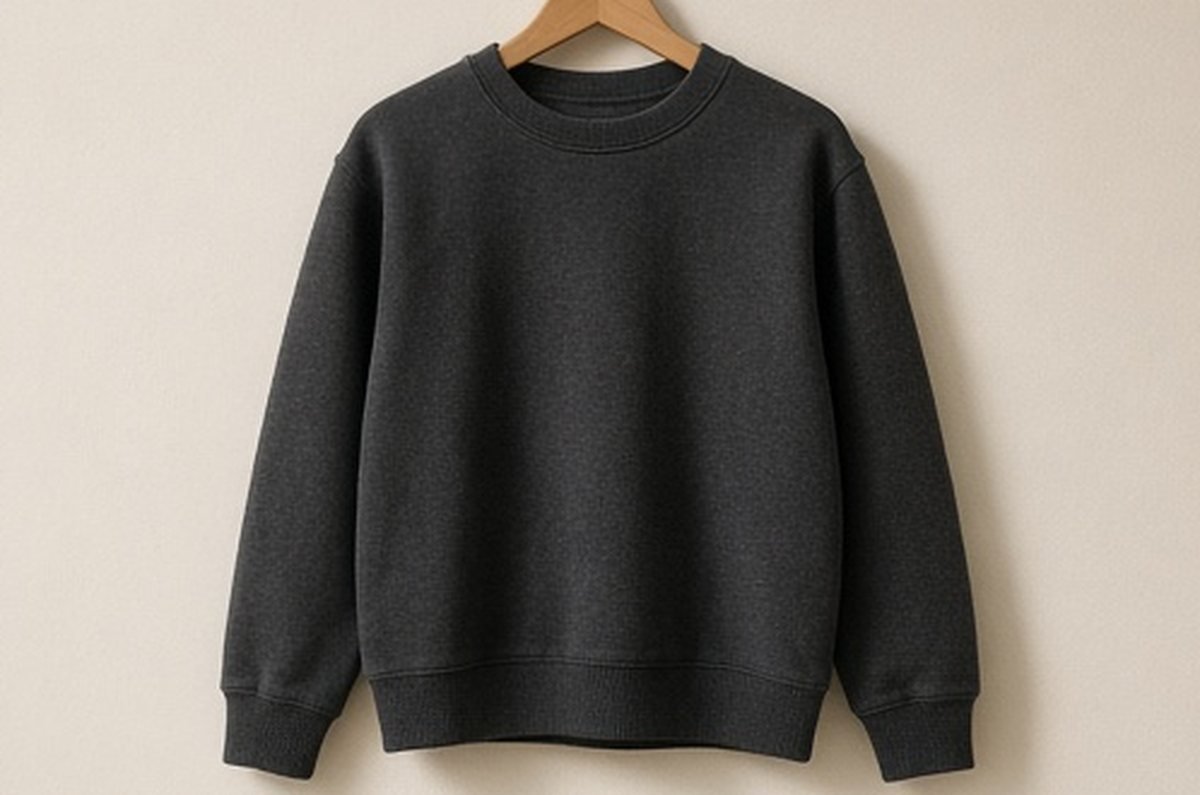
Dressy is a relative word. It may describe a softer garment intended to look more polished than familiar lounge clothing, but it does not establish whether a workplace, restaurant or event will accept it. Before choosing a versatile travel layer, translate the name into the requirements of the actual setting.
Per the brand, Encircled lists a Dressy Sweatshirt and describes its clothing as intended for travel, work and other everyday uses. Those are the brand's descriptions, not a universal dress-code approval. This guide offers a way to evaluate the exact product information and your existing outfit; it is not a hands-on review or a guarantee of suitability.
Find the real requirement
Start with any stated dress code for the destination or occasion. Distinguish a formal requirement from your impression of what people usually wear. If the wording is unclear and attendance matters, seek clarification through the appropriate route rather than assuming the word dressy in a product name answers the question.
For work, consider the particular day. A routine desk day may have different expectations from a client meeting or ceremony. You do not need one garment to satisfy every setting. Define the most important use before evaluating whether a softer layer can cover it comfortably and appropriately.
Read the exact garment details
Check the product page for composition, neckline, sleeve shape, length and care. A sweatshirt name does not establish how substantial the fabric is, whether it has a particular internal finish or what another person will perceive in real life. Use the listed specifications and clear photographs rather than filling gaps with expectations.
Avoid transferring details from another Encircled top simply because the styles appear in the same collection. A brand can offer several constructions and fabric blends. If a particular feature matters to the dress code or your comfort, confirm it for the exact item and version you are considering.
Build the outfit from familiar pieces
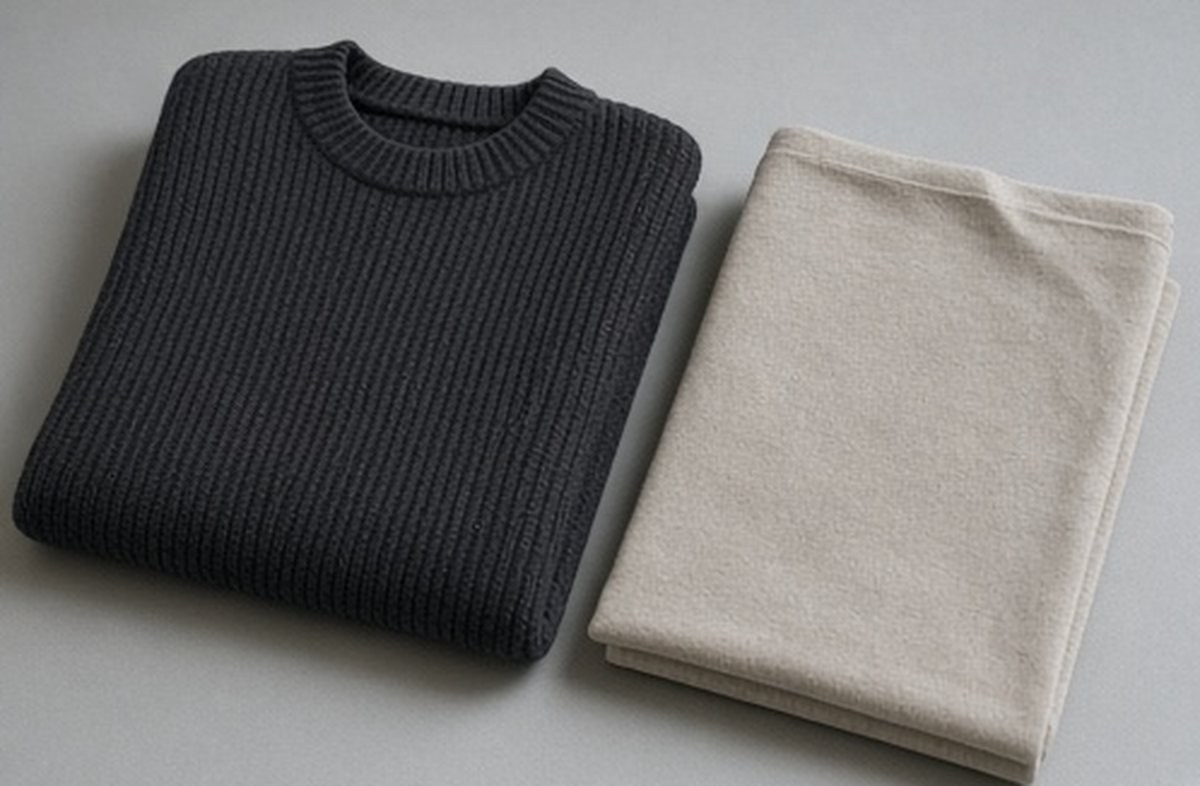
Lay out the trousers or skirt, shoes and outer layer you would actually wear with it. This keeps the decision grounded in your existing wardrobe. A top that only seems suitable after adding new shoes, new trousers and a new bag may not be the simple capsule solution you hoped for.
Consider how the neckline and hem relate to those pieces. Decide whether you intend to wear it loose, tucked or layered, subject to the garment's construction and your preference. Do not judge only the isolated product image. A versatile item earns that description through workable combinations, not through the number of settings in a marketing sentence.
Assess the seated working day
A polished-looking outfit still needs to function in the position you occupy. During a careful fitting that respects return conditions, sit at a desk or an ordinary chair and reach gently. Check whether the sleeves, neckline or hem require frequent attention when you move.
Consider the interaction with your usual coat or bag. A comfortable top by itself may feel different beneath another layer. Do not assume that softness or stretch resolves every fit issue. The practical result depends on the exact cut, the pieces around it and the amount of ease you find comfortable.
Keep layers from doing imaginary work
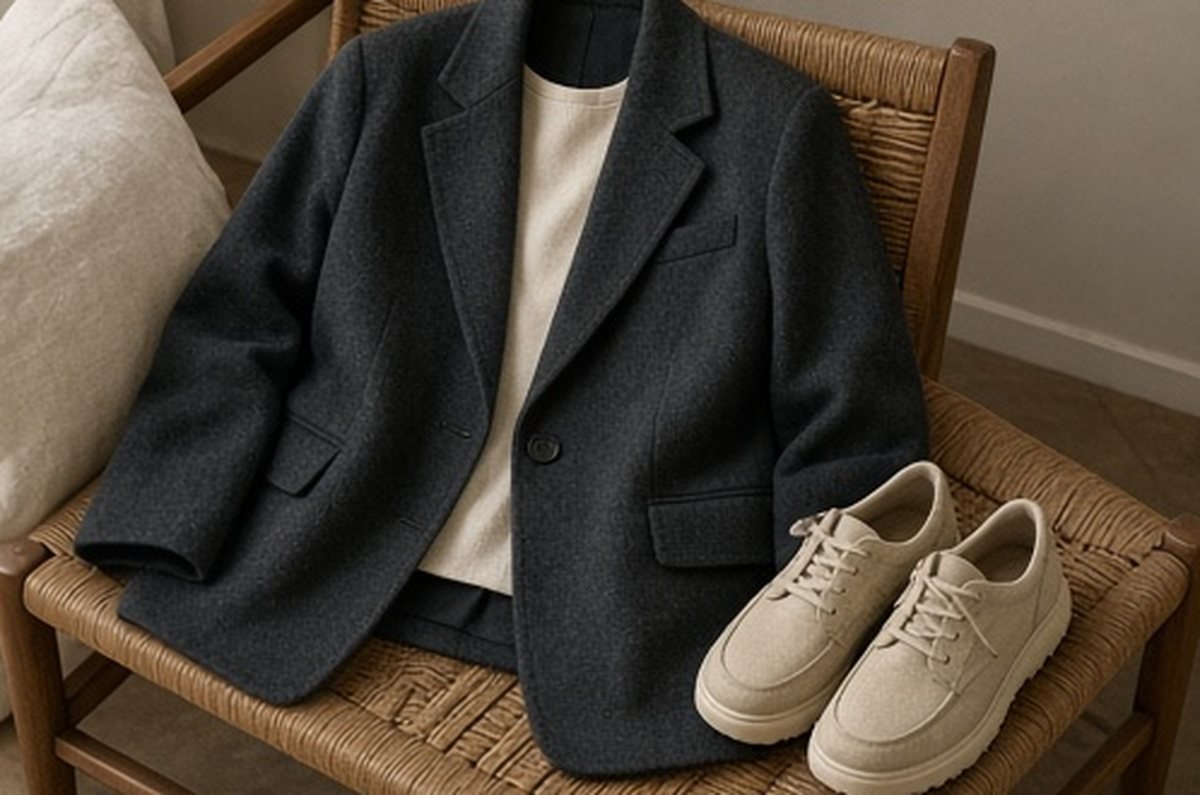
Adding a jacket can change an outfit's appearance, but it does not automatically make every underlying garment suitable for every setting. Ask whether the complete outfit meets the real requirement, including what happens if you remove the jacket. If you must keep an uncomfortable layer on all day to make the outfit feel acceptable, reconsider the combination.
Similarly, a necklace or a smarter shoe is a styling choice, not a substitute for a specified dress requirement. Avoid turning capsule dressing into a set of universal transformation tricks. The more honest approach is to identify the occasions where the outfit genuinely works and let another existing outfit cover the rest.
Check the care burden
Read the exact cleaning and drying guidance before choosing the top for repeated work or travel use. The garment's name does not establish wash frequency or a quick turnaround. Consider whether you can maintain it with the facilities and time actually available, especially during a short trip.
Do not assume a softer work outfit means no maintenance. Visible soil, your comfort and the label still matter. If the care process makes the item impractical for the number of wears you need, count that limitation. A useful capsule is based on ready-to-wear clothing, not pieces waiting indefinitely for a suitable cleaning opportunity.
Compare with an existing option
Choose one top you already wear successfully in the intended setting. Compare the role, fit and care requirements rather than trying to rank every detail of the new item against the whole wardrobe. Identify what improvement you are seeking: a more comfortable sleeve, a different neckline or another workable travel outfit.
If the improvement remains vague, there may be no immediate need to buy. If the existing option is unsuitable for a particular reason, use that reason as a concrete brief. This prevents the product name from becoming the main argument for a purchase that does not solve an actual clothing problem.
Let the setting decide the label
Make the decision using the dress requirement, verified product details and the complete outfit. You may find that the sweatshirt fits your routine well, that it belongs only in casual parts of the itinerary or that another piece is more appropriate. None of those outcomes contradicts its value for someone with different plans.
A useful travel wardrobe does not require every item to be universally dressy. It needs enough appropriate combinations for the days ahead. Treating the name as an invitation to investigate, rather than a guarantee, makes it easier to choose comfortable clothing without asking it to perform a role it cannot reliably fill.