
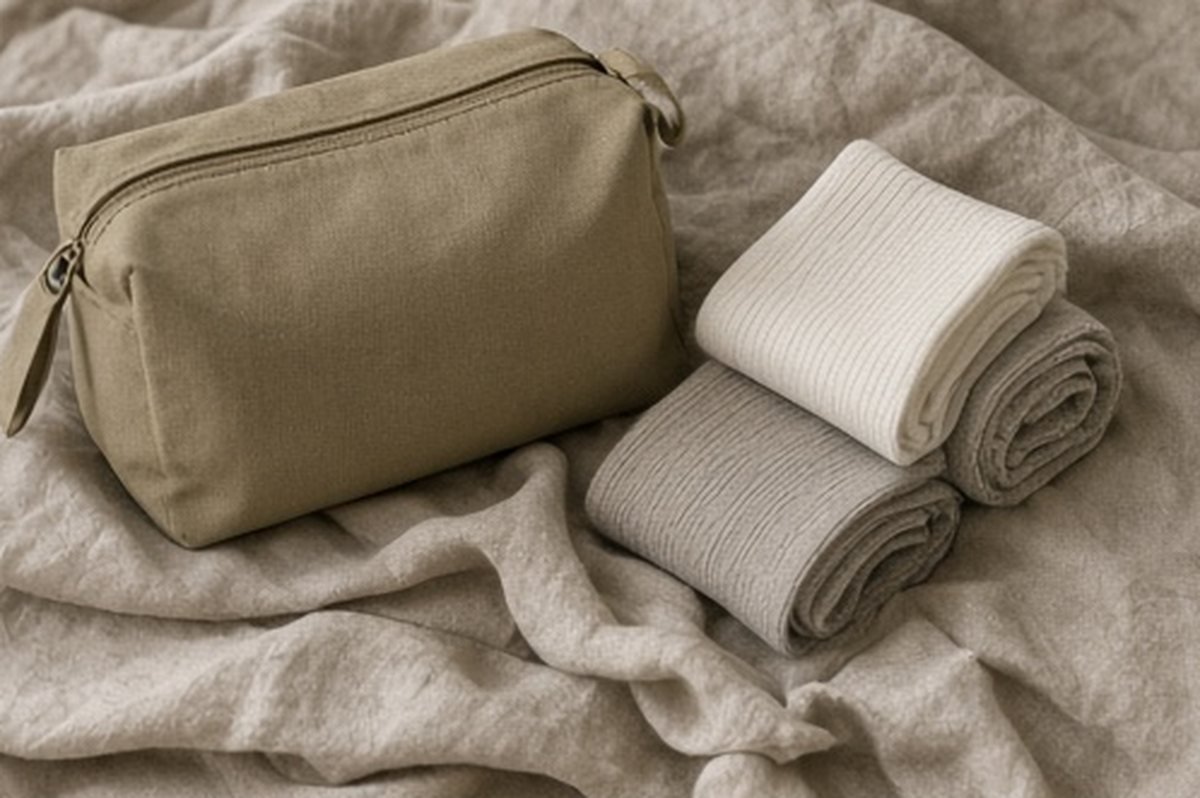
Small jewellery can seem easy to pack because it occupies little room. The difficulty is often not volume but contact: a clasp, pin or textured surface placed against a knit may be an awkward neighbour. Plan the small items separately instead of treating a folded sweater as convenient padding.
This guide concerns ordinary packing organisation, not a guarantee against damage or loss. Follow the guidance for both the jewellery and the clothing, especially where materials or finishes need particular care. Valuable, delicate or specialist pieces may need advice beyond a general wardrobe checklist, and some are better left out of a particular trip altogether.
Choose the pieces for actual outfits
Begin with the clothes and activities you expect to use. Select jewellery for those combinations rather than emptying the whole collection into a pouch. Fewer deliberately chosen pieces are easier to track, although a small quantity is not by itself a protection method.
Consider whether an accessory will need to be removed during part of the day. A necklace chosen only for a static outfit may create a separate handling task around another activity. Plan that transition before packing so the small item has a suitable destination when it is not being worn.
Notice the physical contact points
Look at clasps, hooks, pins, settings and textured edges without testing them against the fabric. You do not need to drag jewellery across a knit to determine whether a rough or projecting detail deserves separation. Keep handling appropriate to the item.
The goal is not to label every accessory dangerous. It is to avoid pretending that all small objects are equally suitable to sit inside folded clothing. A smooth-looking piece may still have a closure, while a brooch includes a fastening that needs deliberate management rather than casual placement among garments.
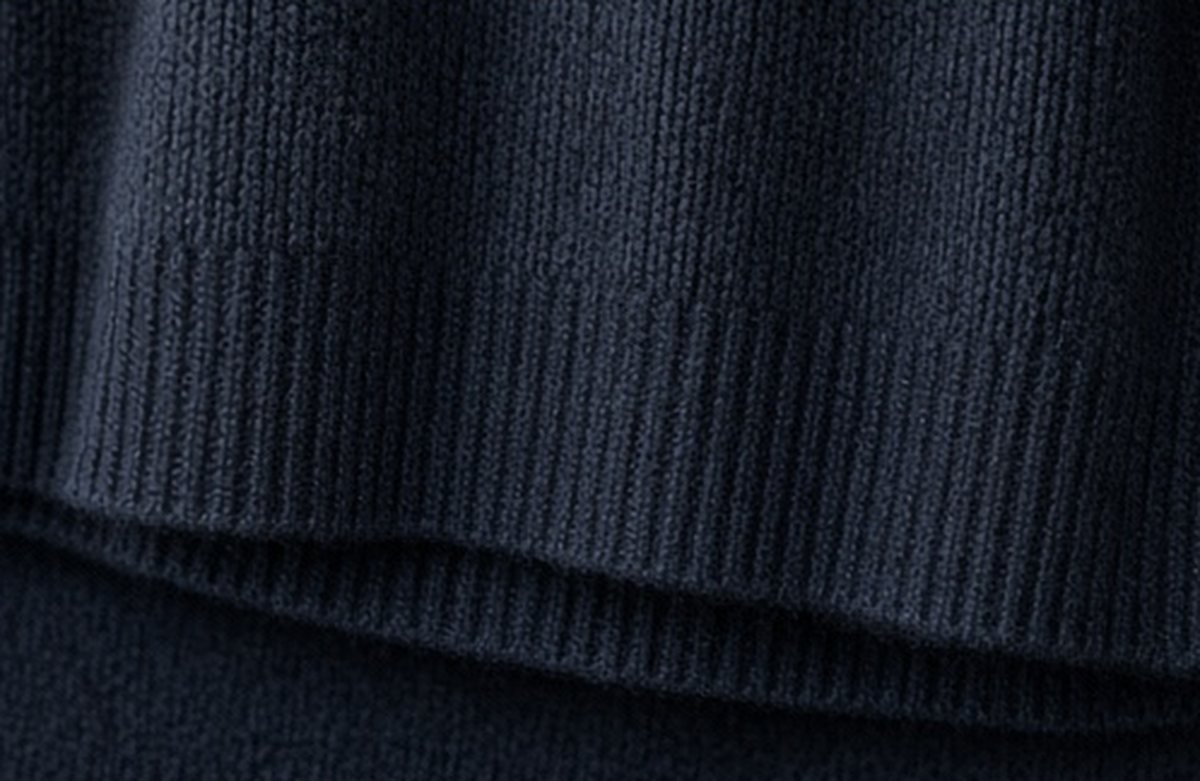
Use suitable separate storage
Look first at containers or pouches you already own that are appropriate for the pieces. They should keep the items organised without forcing them together or exposing clothing to loose fastenings. Follow any specific storage advice for delicate finishes or materials.
Do not assume any soft bag guarantees protection. Check what is actually inside, how it closes and whether the jewellery can escape or become tangled. If an existing option does not suit a particular piece, revise the selection or find an appropriate method rather than relying on a folded sweater to complete the container.
Keep pins and closures controlled
Manage fastenings as their design and guidance require before packing. Do not leave a loose open pin buried in clothing. If you are unsure how to secure or store an unfamiliar accessory, establish that before adding it to the bag.
This is also a good moment to check for a known issue that needs professional attention. Packing is not a reason to attempt an unfamiliar repair or force a damaged clasp. A piece whose condition is uncertain can stay home while you use another familiar option that suits the same outfit.
Give the container a stable location
Choose a sensible place within the bag where the jewellery container remains findable and is not casually mixed with damp, soiled or rough belongings. Keep the overall packing arrangement appropriate to the items. A separate pouch is less useful if its location changes every time you open the bag.
Avoid using garment pockets as invisible overflow unless that is genuinely suitable and intentional. Small belongings can be forgotten when clothes are changed, sent for care or returned to a suitcase. The helpful habit is one known place, not a series of temporary hiding spots that depend on perfect memory.
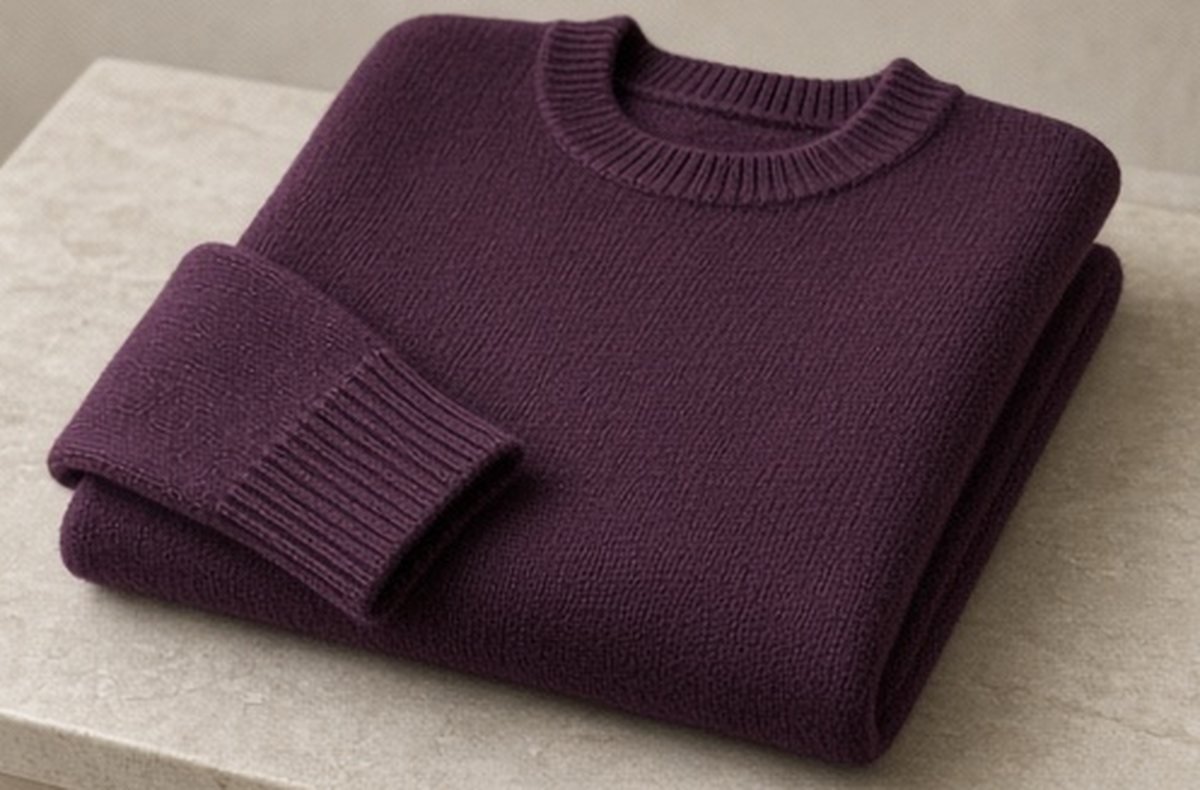
Plan the dressing surface
At the destination, use a clean, appropriate place to handle small items and keep the surrounding area manageable. Do not spread pieces across bedding or among loose knitwear just because that is where the outfit is laid out. Check the location before putting anything down.
Respect shared space and do not assume a particular tray or storage facility will be available. An existing suitable container can remain the home base. The aim is to make dressing and undressing repeatable, especially when you are tired or preparing to leave rather than concentrating fully on the accessories.
Separate packing from wearing decisions
An accessory that packs neatly may still interact awkwardly with the outfit when worn. Check the actual combination gently, keeping the garment's construction in mind. Do not assume that adding a favourite necklace to every knit is automatically a useful capsule strategy.
If a combination feels unsuitable, choose another accessory or leave the outfit simpler. You do not need to make every packed piece work with every garment. A small wardrobe can include deliberate pairings, and avoiding an awkward contact is a practical styling decision rather than a failure of creativity.
Keep the small-item routine visible when repacking in a hurry. Return jewellery to its suitable container before folding the knit, rather than placing it on top of the garment temporarily. The order of those two ordinary actions can reduce the number of loose objects hidden among clothes.
Do a deliberate final count
Before moving rooms or repacking, return the selected pieces to their known storage and check the places where you handled them. Keep the process appropriate to your own circumstances rather than treating a checklist as a guarantee against loss.
The useful improvement is separation with a clear routine. Knitwear stays clothing, jewellery has its own suitable storage, and dressing does not turn the two into an uncertain pile. That small distinction makes a compact bag easier to manage while letting both the garment and the accessory be chosen for their real role in the outfit.