

A clear photograph can make an initial clothing repair enquiry easier, but a close-up of a hole is rarely the whole story. The garment's shape, surrounding fabric and construction may change what work is possible. A useful set of images shows both the problem and the context without pretending photographs can replace an in-person assessment.
Begin by checking how the repair professional prefers to receive enquiries. Some offer remote estimates; others need to inspect the piece first. Follow that process rather than assuming every service can promise a price from pictures. This guide concerns preparation, not a guarantee of any repair outcome.
Show the complete garment
Take a clear overview on a clean surface or appropriate hanger. Include the whole piece without folding the relevant area out of sight. This helps establish what type of item is involved and where the damage sits in relation to seams, lining or decorative details.
Avoid heavy filters and dramatic lighting. The purpose is accurate information, not a styled product photograph. Keep the background simple and remove personal objects you do not want to share. Check the image before sending so the garment is not accidentally cut off.
Add a medium-distance view
Show the damaged area with enough surrounding fabric to reveal context. A tear beside a seam may need a different approach from a similar-looking opening in the centre of a panel. Include nearby stress points or construction features without pulling at fragile material.
If several areas are affected, identify each clearly. Do not crop away related wear merely to make the job look smaller. Honest context helps the professional explain whether a local fix is realistic or whether broader deterioration changes the recommendation.
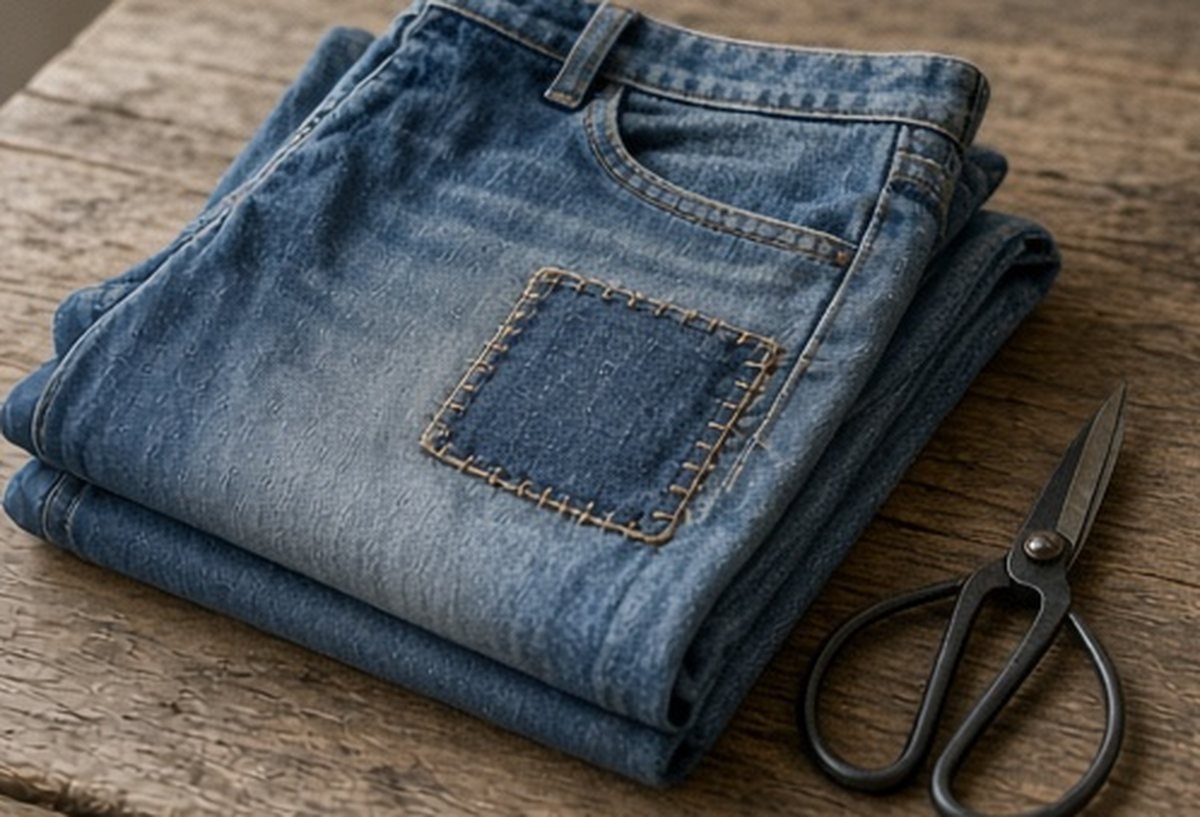
Take a readable close-up
Use steady light and focus on the actual damage. If size needs indicating, use a suitable reference without covering the problem or placing sharp objects against the fabric. Follow any specific measurement request from the service.
Avoid stretching a hole open to make it more visible. That can worsen damage and distort what the professional sees. A gentle, accurate view is more useful than a dramatic one. If the material is delicate, stop rather than risking further harm for a clearer picture.
If the first images are blurred or the colour is hard to judge, retake them rather than sending a large collection of confusing alternatives. A few clear views with useful context are generally more informative than many indistinct close-ups.
Show the reverse where practical
The inside can reveal seam allowance, lining, existing repairs or how a fastening is attached. Photograph it only where you can do so without unpicking or forcing the garment. Do not start dismantling the item merely to answer a question a professional could assess safely in person.
Keep the relationship between inside and outside clear. A short caption such as inside left cuff can help. If orientation is confusing, explain it rather than assuming the recipient can infer everything from a set of detached details.
Include labels and known history
A readable composition and care label can support the initial discussion. It cannot establish all construction or condition, but it may help identify questions. If the label is missing or unclear, say so instead of guessing the fibre.
Mention known alterations, previous repairs and what happened to the garment. A failed closure after years of use differs from an unexplained new tear. Keep the history factual and distinguish what you know from what you suspect. The aim is diagnosis, not finding a persuasive story.

Describe the desired result
Explain how you want to use the piece afterward and whether a visible repair is acceptable. Invisible restoration, stronger everyday wear and preserving a sentimental object are different goals. The professional can advise more usefully when the aim is clear.
Do not demand a guarantee before assessment. Some damage may not permit the result you imagined, and weak surrounding fabric can limit durability. A good enquiry leaves room for an honest recommendation, including the possibility that a proposed repair is not worthwhile.
Keep fit changes separate
If you also want an alteration, describe it as an additional task. A picture of damage does not communicate how a garment feels while worn. Fit work may need an appointment, the intended shoes or underlayers, and a separate estimate.
Avoid altering another person's clothing based on assumptions about their preferences. The owner should agree to the goal and method. A helpful repair conversation respects who will wear the result rather than treating every change as an obvious improvement.
Ask about limits and next steps
Clarify whether the response is an initial estimate or a confirmed quote, and what further inspection is required. Ask about realistic turnaround and any preparation the service requests. Do not clean or treat uncertain damage aggressively before receiving relevant guidance.
If sending the garment, follow the agreed process and keep suitable records. This article does not establish a service's policies or shipping arrangements. Read current terms and confirm the details rather than relying on assumptions from another repair experience.
Use the answer to decide
Compare the proposed work with the garment's usefulness, comfort and meaning, while keeping your available budget and time visible. A repair need not be cheaper than every possible replacement to be worthwhile, but it still needs to fit your circumstances.
Clear photographs reduce avoidable back-and-forth; they do not remove the material uncertainty of clothing repair. Show the whole garment, the surrounding area and the detail, then invite an informed assessment. That approach protects both the piece and your expectations, making it easier to choose a sensible next step.