
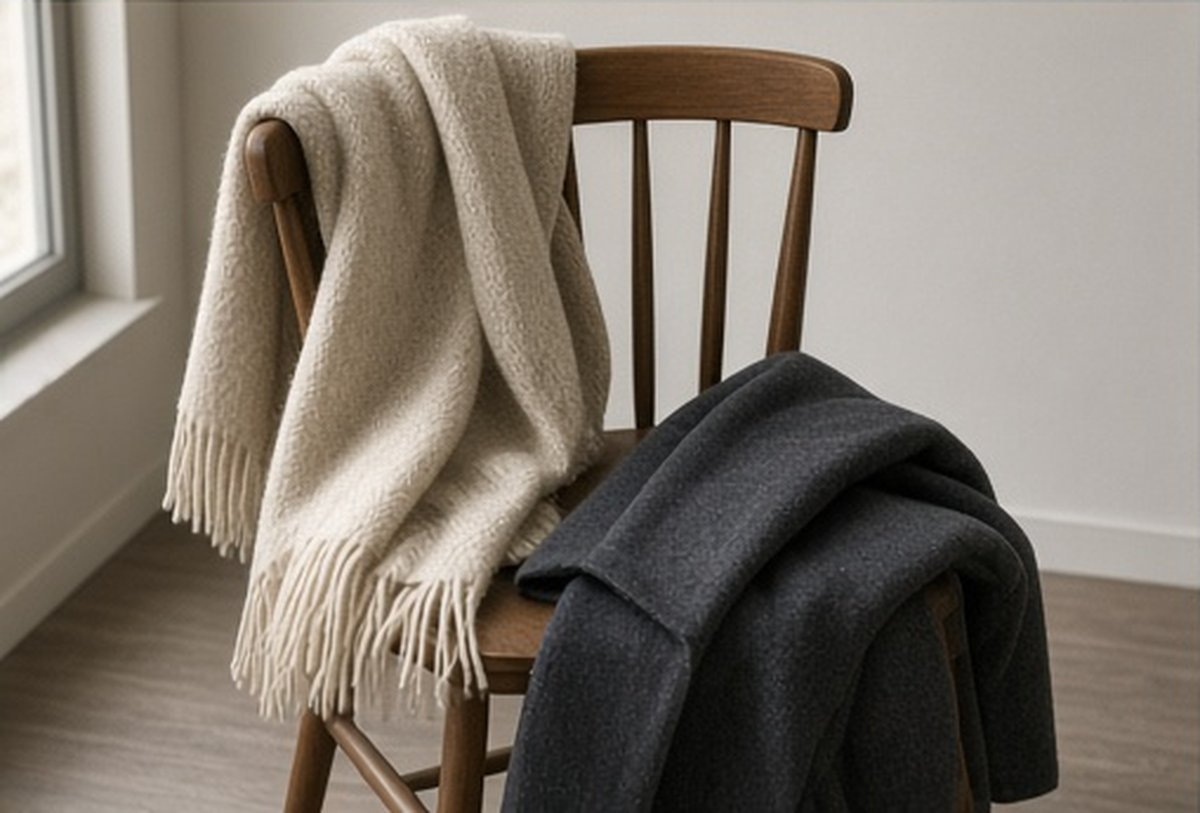
A poncho-style knit can change the outline of a familiar outfit without requiring a new set of clothes. The useful question is not only what sits beneath it. Think about the coat and bag that have to work around it, including the part of the day when you are carrying the layer rather than wearing it.
Per the brand, INDIGENOUS includes knit ponchos within its accessories offering and presents lightweight knits on its site. This is a starting point for an outfit exercise, not a review of a particular product. Check the exact item's composition, measurements and care rather than applying a homepage description to every piece.
Define where the layer will be worn
Start with one ordinary occasion, such as a seated visit or an easy daytime outfit. Decide whether the knit is an indoor layer, an outer layer for suitable conditions or something that will move between those roles. Those are different briefs.
Do not ask the item to provide weather protection that the exact product information has not established. Build the outfit for actual conditions and the activity involved. A pleasing silhouette is useful, but it should not replace the separate clothing or equipment needed for a particular journey or setting.
Check the base outfit first
Use a familiar top and bottom combination whose comfort you already understand. Add the knit without changing everything else at the same time. That makes it easier to identify whether a new issue comes from the layer or from another unfamiliar component.
Look at the neckline, sleeves and hem arrangement without forcing them into a single ideal proportion. You may prefer a longer visible base or a quieter outline. The important point is choosing deliberately, so the underlayer remains useful if the poncho comes off rather than becoming a hidden compromise you only notice later.
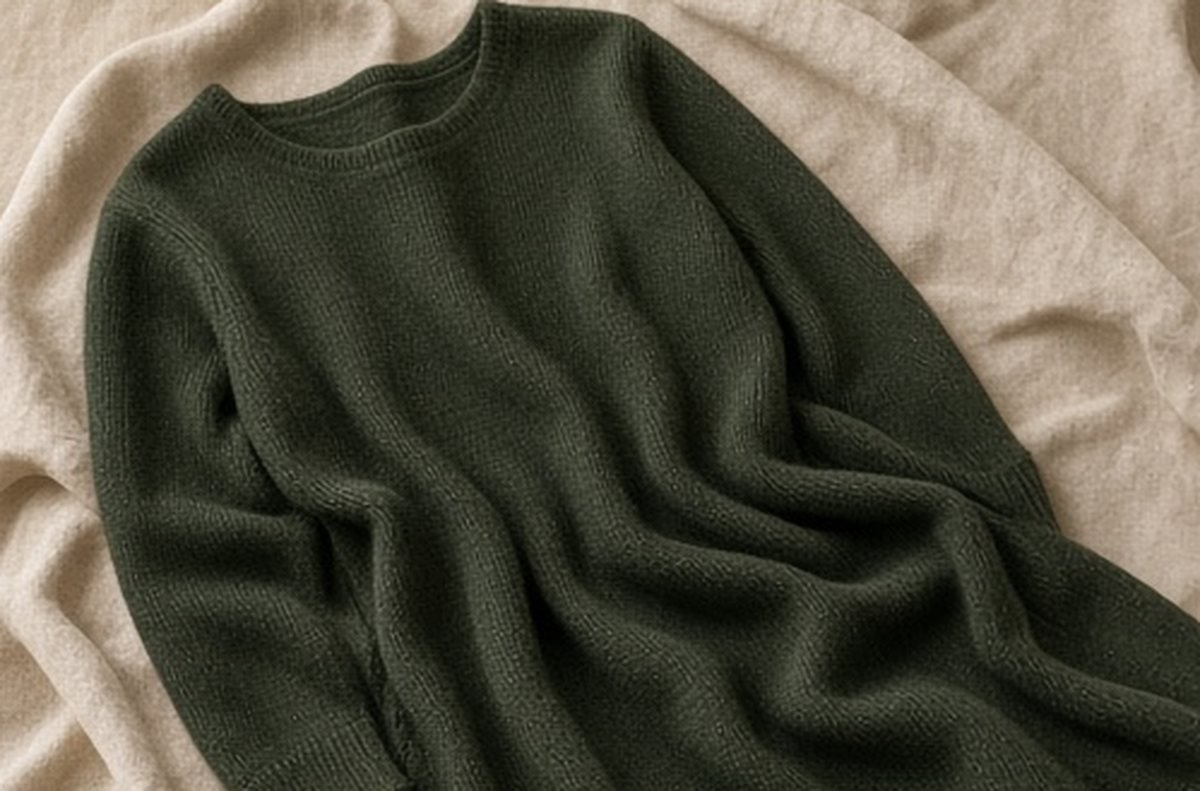
Try the actual coat arrangement
Use the coat you expect to wear, not a hypothetical generous one. Check whether the layers sit comfortably and whether closures and sleeves function normally. A loose outer shape on its own does not prove that another garment will fit comfortably over it.
If the coat arrangement fails, do not automatically buy a larger coat to rescue the idea. Consider whether the knit can travel separately and be used at the destination, or whether another existing layer fits the day's brief better. The answer can be a different sequence rather than a new wardrobe system.
Put the real bag in place
Add the bag with its usual contents and check ordinary access. A strap may sit differently over a wide layer, and reaching a closure can require an adjustment. Observe the exact combination without assuming that all shoulder bags or all poncho shapes behave alike.
Keep handling gentle and avoid pulling the knit around a buckle or rough fitting. If access repeatedly interrupts the outfit, consider another bag you already own or a different wearing arrangement. You are looking for a combination you can use naturally, not a photograph that depends on leaving your belongings behind.
Check movement rather than a pose
Sit, stand and reach gently in ordinary ways appropriate to the fitting. Notice whether you keep rearranging the fabric or catching it beneath a bag. Do not infer a universal flaw from one mismatch; the particular dimensions and your intended use matter.
If you expect to do a task where loose fabric is unsuitable, use appropriate clothing for that activity. Style flexibility does not override practical safety. An outfit can be excellent for a quiet visit and unsuitable for another setting without either result becoming a verdict on the whole category.
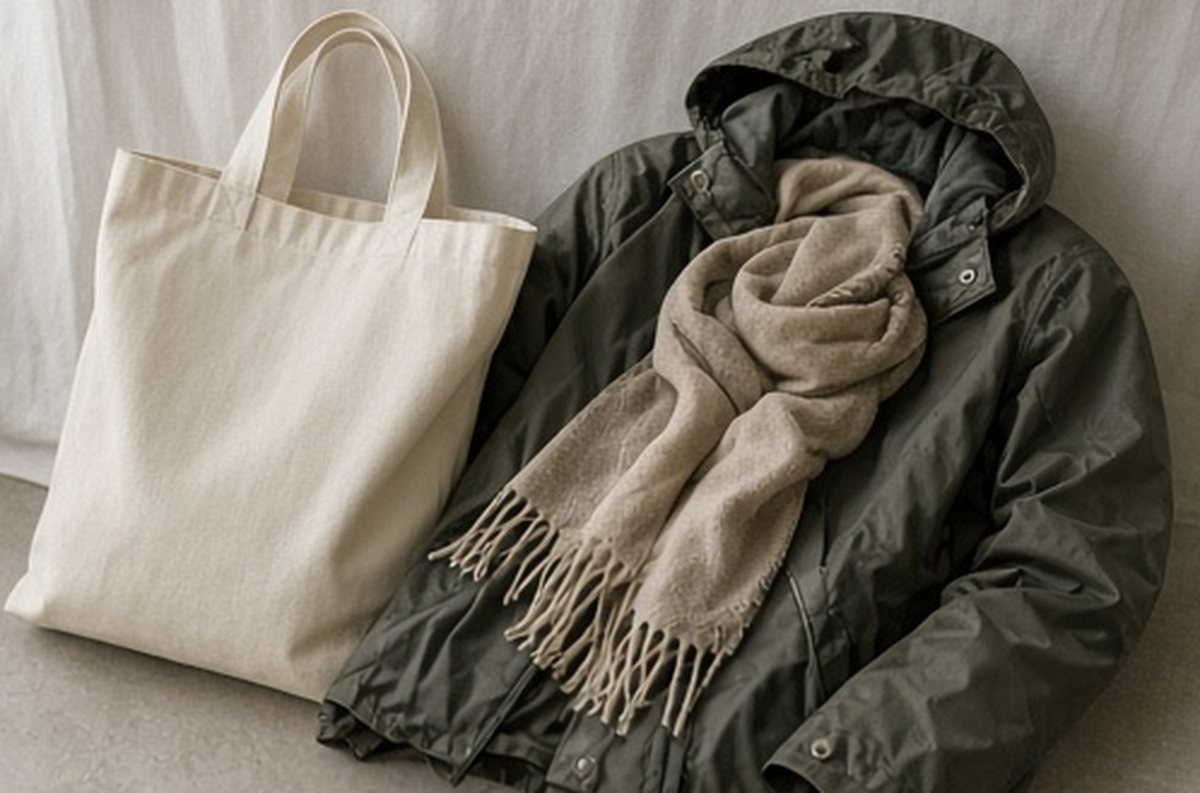
Decide where the layer goes off-body
Plan a suitable temporary place before leaving. Follow the item's care and handling needs, and do not assume a small hook will support every knit appropriately. A shared chair or shelf also needs to be genuinely available rather than imagined as part of the outfit plan.
If the knit will go into a bag, test the space with the rest of your actual contents. Keep it appropriately separated from damp or soiled belongings. The packing question belongs in the styling exercise because a removable layer must remain manageable after the room becomes warm or the activity changes.
Keep the styling brief modest
You do not need to demonstrate that one piece replaces a cardigan, coat, blanket and travel accessory to justify wearing it. Start with the role it performs comfortably. Multifunctional dressing is most useful when each claimed function is real and appropriate, not when every possible use is counted.
Repeat the successful combination before inventing more. Familiarity can reveal small improvements, such as a different base neckline or simpler bag access. Those observations are more valuable than a large list of theoretical outfits that have not been worn through an ordinary day.
If the coat will only be worn during transit, practise that sequence rather than forcing an all-day layered arrangement. The knit can have a distinct destination role when suitable storage and handling are available. That is a clearer plan than pretending the coat combination works without checking it.
Write down the complete combination
Record the base, knit, coat, bag and off-body arrangement that worked. Keep any unresolved point visible, especially if you have not checked the exact product's material or care. A clear note prevents a promising try-on from becoming an exaggerated claim about effortless versatility.
The coat-and-bag check gives a poncho-style layer a practical place in a wardrobe. It connects the appealing outline to the routine around it. When those surrounding pieces cooperate, the knit can be enjoyed for the job it actually does, without requiring invented performance claims or a new collection of supporting purchases.