
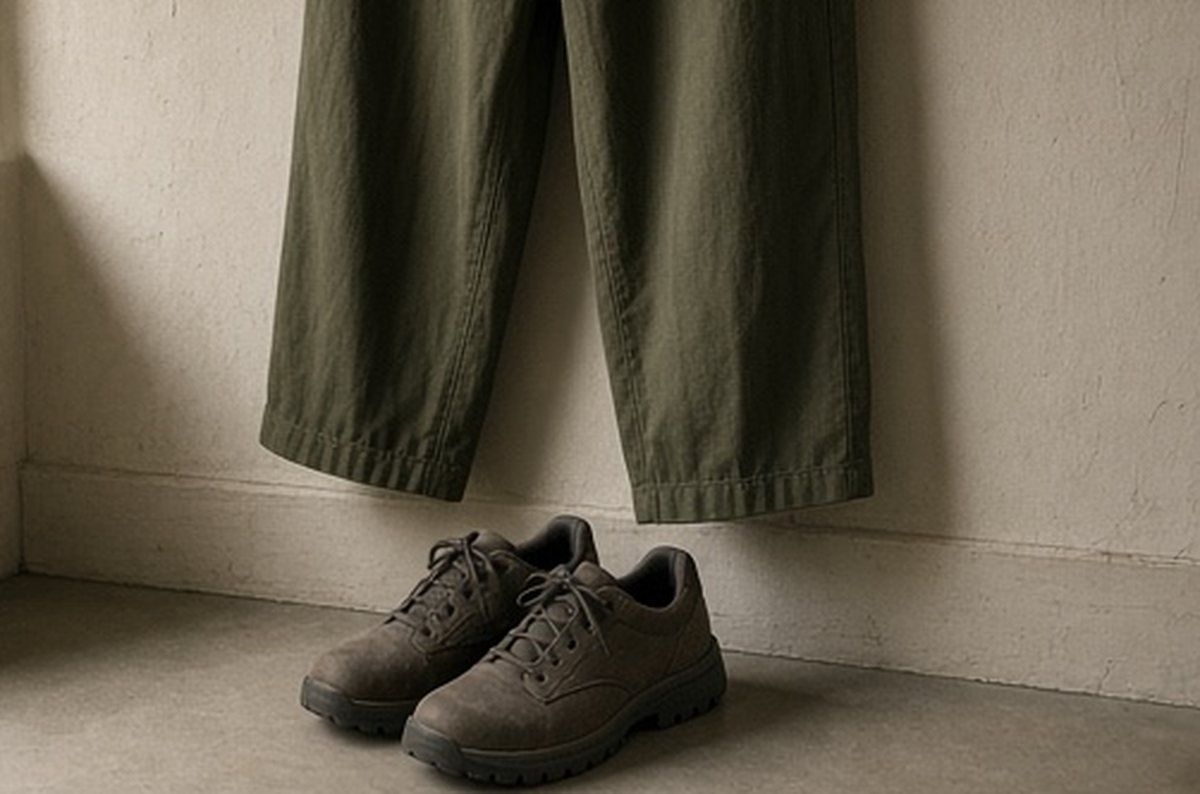
A cropped trouser length is a relationship between the garment, your proportions and what you wear below it. A photograph can show one version of that relationship, but it cannot tell you where the hem will fall on your leg. For an autumn outfit, the space between trouser and shoe deserves deliberate attention.
Per the brand, Toad&Co lists a Chaka Wide Leg Crop Pant in its clothing range. That product name is a reason to check the exact measurements and construction, not a promise about where it will sit on every wearer. This guide is about planning an outfit around a cropped shape rather than reviewing the fit or performance of that particular item.
Define your preferred coverage
Begin with the result you actually want. You may enjoy a visible ankle, prefer socks to bridge the space or want the hem to meet a taller shoe. These are different outfit briefs. None can be inferred from the word cropped without considering the garment's dimensions and your body.
Think about the setting as well as appearance. A short indoor visit and a long outdoor walk may lead to different preferences. Do not choose exposed skin merely because a product photograph presents it that way. Equally, do not assume a cropped trouser must be abandoned as soon as you prefer more coverage.
Compare the exact length information
Use the size guide and product measurements for the particular style. Establish how the seller measures length and whether an inseam, outseam or other dimension is provided. Compare like with like using a pair you own, laid out without stretching and measured consistently where possible.
Waist position also affects where the hem lands. A trouser worn higher or lower than your reference pair may not reproduce the same result even with a similar inseam. Record those differences instead of assuming one number settles the question. A familiar size label is not a substitute for the relevant dimensions.
Bring your ordinary shoes into view
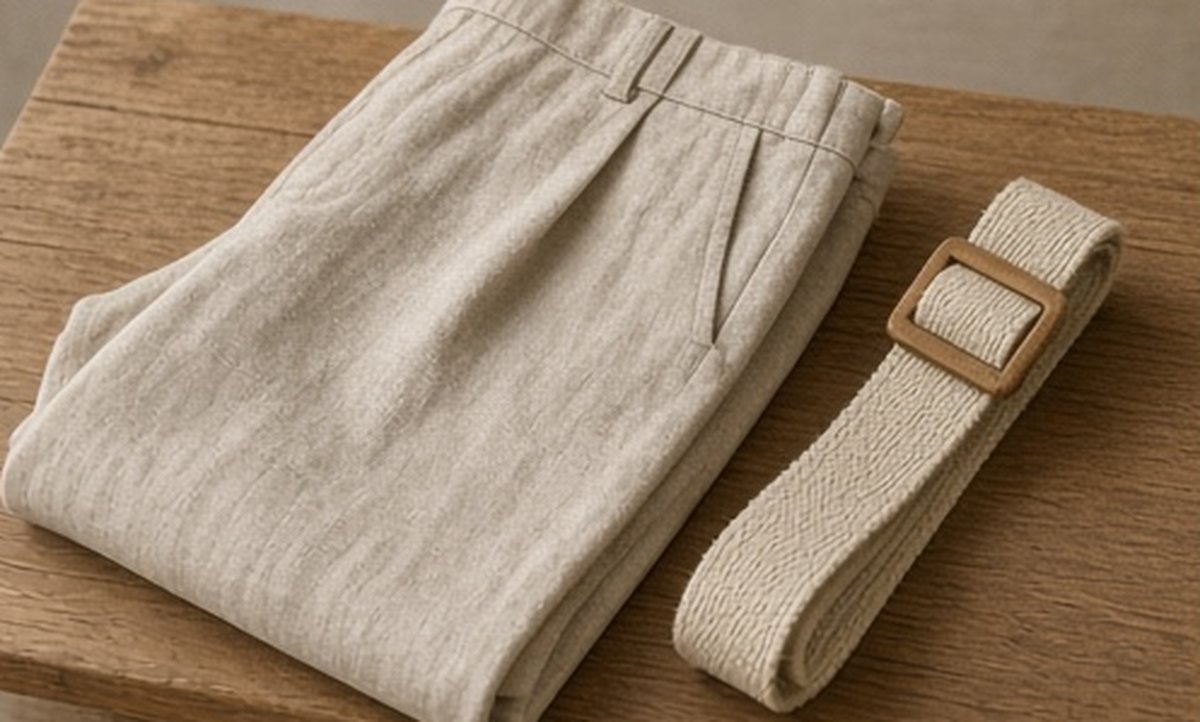
Set the trousers, or your closest reference pair, beside the shoes you would genuinely wear. Consider the shape and height around the ankle as well as the sole. A low opening, a high collar and a boot shaft create different relationships with the same hem.
Avoid solving the outfit on paper with shoes you do not own and have no other reason to buy. The point of a useful capsule piece is compatibility with everyday clothing. If the cropped length only appeals with a completely new footwear arrangement, include that consequence in the decision rather than treating it as a minor styling detail.
Choose socks for the actual day
If socks will be visible, make them an intentional part of the outfit. Check their height, feel and relationship with the shoe. A sock that looks right while standing may slip or become uncomfortable during walking, so use a familiar pair where possible rather than choosing solely for a colour match.
There is no need to buy special socks to imitate a photograph. Begin with the pairs you already find comfortable and see which provide the coverage you want. If none does, decide whether the trouser still meets the brief. The uncovered space is a practical preference, not an obligation imposed by the garment category.
Check the seated position
A trouser hem can move when you sit, and the amount matters to your own comfort. During a permitted fitting, sit naturally and notice the change in coverage. Check whether the trouser, sock and shoe still form a combination you like in the position you actually occupy at a desk or on transport.
Do not judge the outfit only in a standing mirror. Equally, avoid demanding that every position look identical. Clothing moves with the wearer. The useful question is whether those changes remain comfortable and acceptable for the intended use, not whether you can preserve a single photograph throughout the day.
Look at the wider silhouette
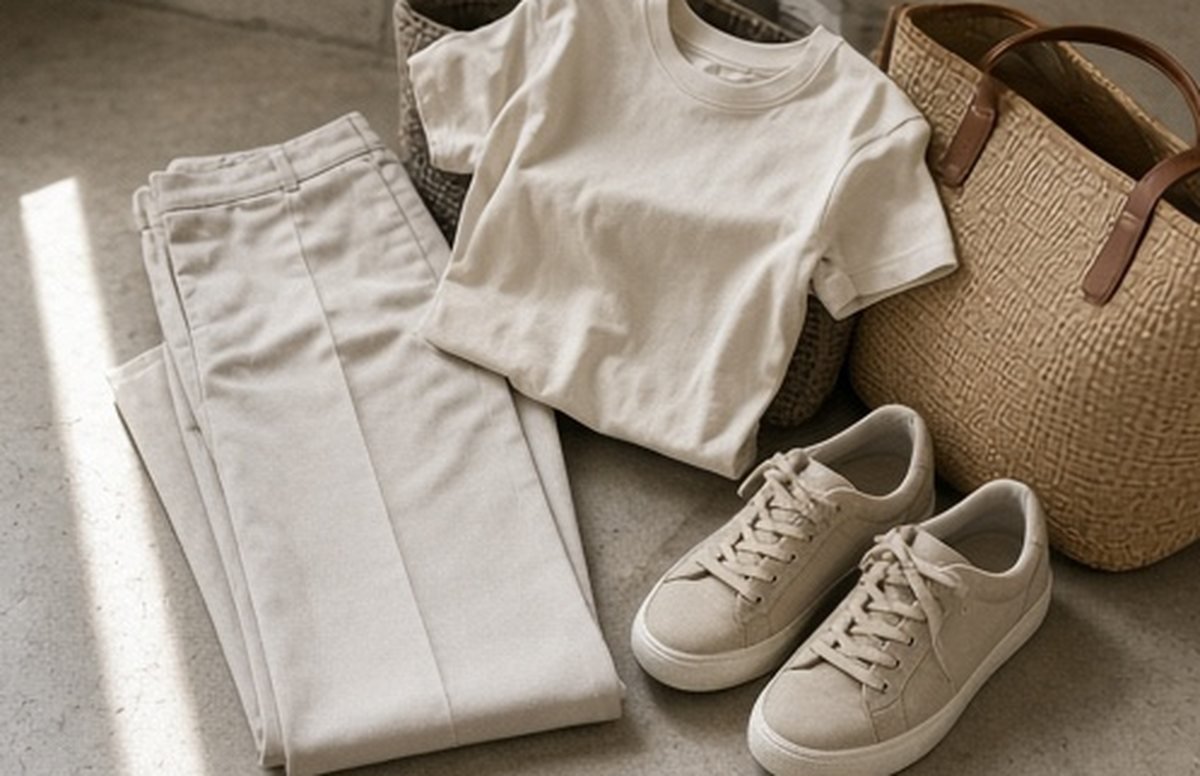
Check how the hem opening works with the footwear and with the top layer. A wide leg, a close sock and a bulky shoe can create a different balance from a straight leg with the same measured length. These are observations about the combination, not rules about which bodies should wear which shapes.
Try one or two existing tops rather than an exhaustive styling session. Look for an outfit you would choose on an ordinary morning. If you repeatedly adjust the waistband or change shoes to make the proportions feel right, note the specific issue before deciding whether another size or cut would genuinely address it.
Keep fabric and care separate
Read the exact composition and care label for the item. A cropped length does not establish how warm, weather-resistant or easy to clean the trousers will be. Do not borrow a fabric claim from another product in the brand's range, even if the photographs suggest a similar texture.
Think about the routes and conditions you plan to use them in, with appropriate outerwear and footwear where needed. Styling a trouser for autumn is not a guarantee that it suits every autumn day. A useful wardrobe can include a cropped option and still reserve another pair for a different kind of journey.
Save the combination, not a rigid rule
If the outfit works, note the particular shoes, socks and waist position that made it useful. This is more actionable than deciding all cropped trousers need one universal shoe type. Another pair with a different opening or length may require a separate assessment.
If it does not work, keep the information neutral: the hem fell somewhere you disliked or the coverage did not suit the day. A different existing trouser may meet the need better. The successful choice is the one that works in movement and ordinary use, not the one that most closely reproduces someone else's proportions.