
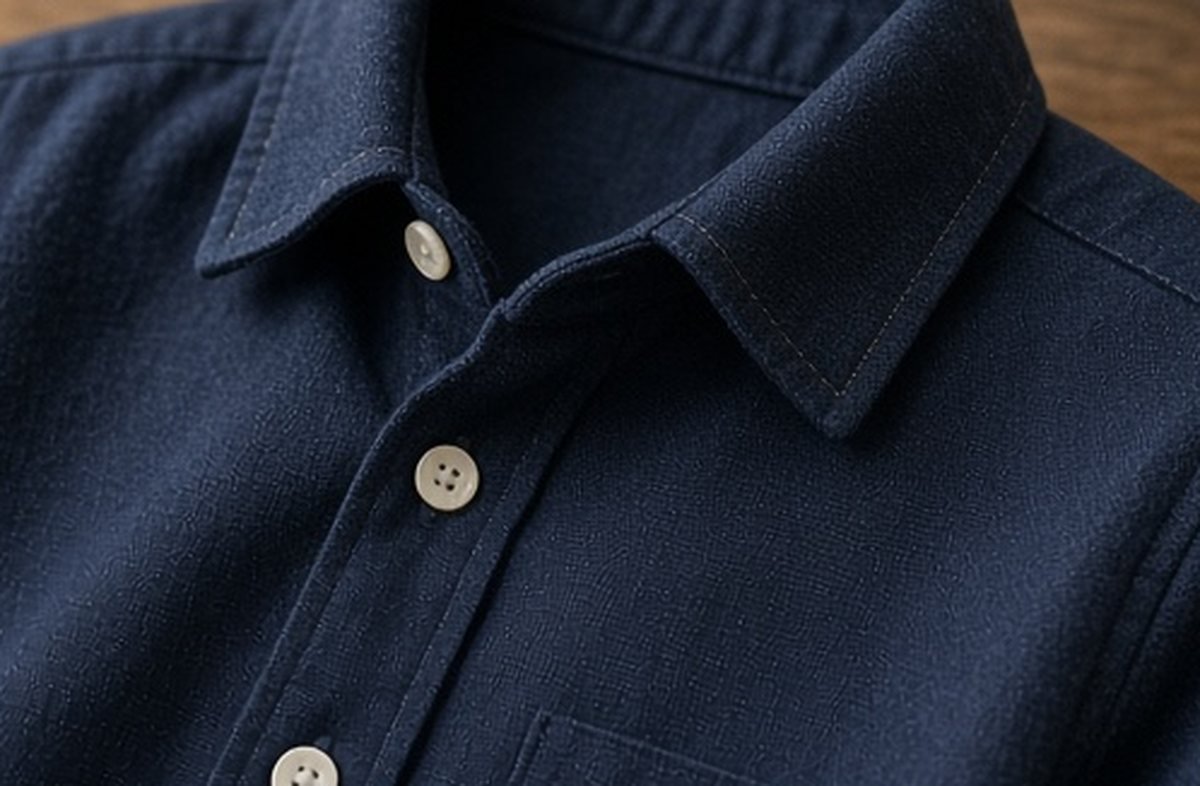
A collared shirt can earn space in a small travel bag when it answers a real requirement. It can also become an extra item carried for an uncertain idea of looking smarter. The useful question is not whether every travel capsule needs a shirt, but what this particular shirt would do that your packed tops cannot.
Per the brand, Unbound Merino lists a Merino Poplin Button-Up among its clothing. That product name does not establish every fibre percentage, construction detail or dress-code use. This guide is a planning framework rather than a hands-on review, and it makes no claim that a collared merino garment is suitable for every formal setting.
Find the day that needs the collar
Name the meeting, meal or personal preference that makes you consider a collared top. If a venue or workplace has a stated requirement, check that requirement directly. A collar by itself is not proof of compliance with every dress code, just as an informal product name does not automatically rule a garment out.
If the requirement is simply that you enjoy wearing shirts, that is enough to include it honestly. You do not need to invent a business occasion to justify a preference. The distinction matters because a personally useful piece may earn repeated wear, while an imagined emergency shirt may stay untouched throughout the trip.
Read the exact composition
Check the product's full material and care information. Do not infer a wool percentage from the word merino or assume poplin means a particular care process. The exact garment may differ from the brand's tees, knit layers or other shirts, even when they are presented in the same travel collection.
Keep fabric description separate from performance expectations. A product name is not evidence of a guaranteed drying time, wrinkle-free appearance or number of wears between washes. Build the packing plan around what you can verify and the care you can actually provide, leaving unresolved questions visible until they are answered.
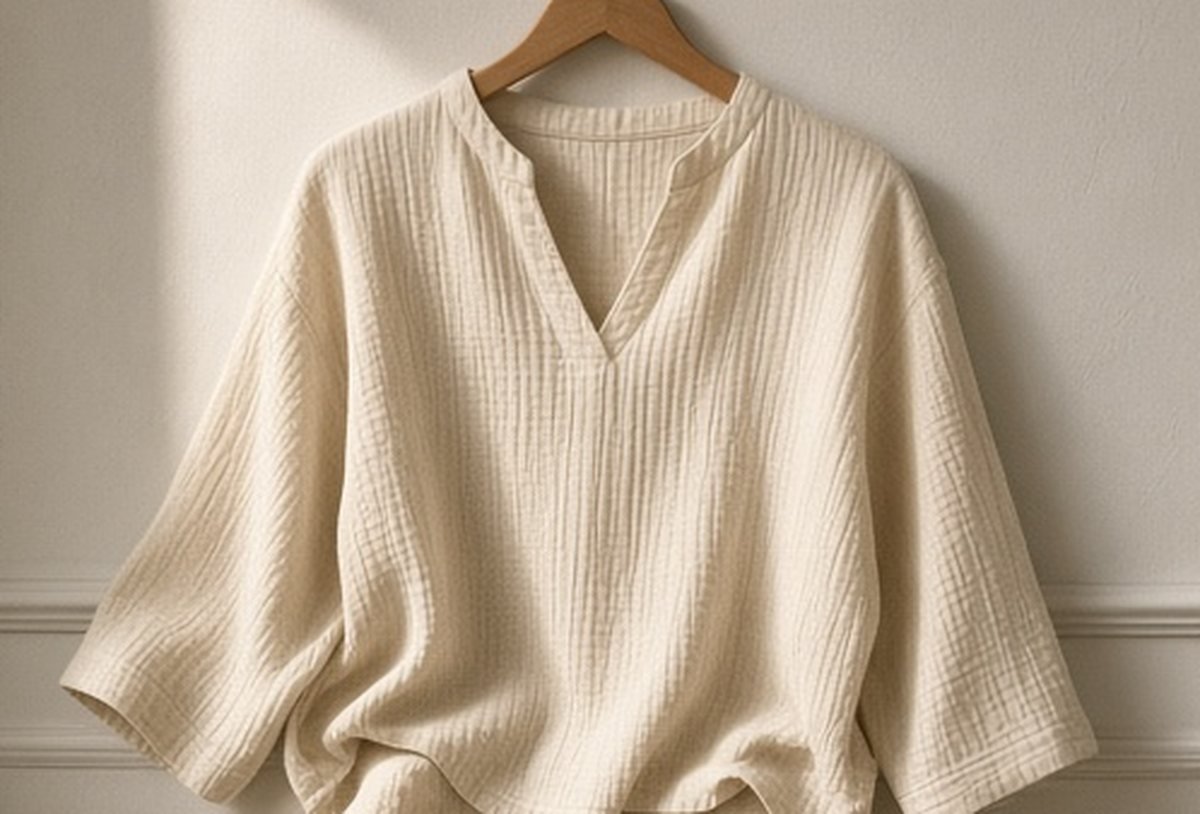
Compare neck and shoulder requirements
Use a comfortable shirt you own as a dimensional reference where the seller's measuring method allows it. Check shoulder position, sleeve length and body length as well as any chest measurement. A shirt worn over a tee may need a different amount of ease from one worn as the main next-to-skin layer.
If you intend to fasten the collar, establish whether the available measurements answer that question. Do not assume a comfortable open neck guarantees a comfortable closed one. During a permitted fitting, move and sit gently without straining the garment. Fit should support the intended use rather than merely reproduce a styled photograph.
Decide whether it is a shirt or a layer
You may plan to wear it fastened, open over a base top or both. Check that each intended arrangement works with the exact construction and your preferences. Do not count an open-shirt option as a replacement for a warmer layer unless it genuinely meets the conditions you expect.
Make one complete outfit for each real use. Include the trousers or skirt, shoes and any outer layer already in the bag. If the shirt needs a separate set of supporting clothes to feel useful, its practical cost in luggage space is larger than the folded garment alone suggests.
Consider cuffs and daily tasks
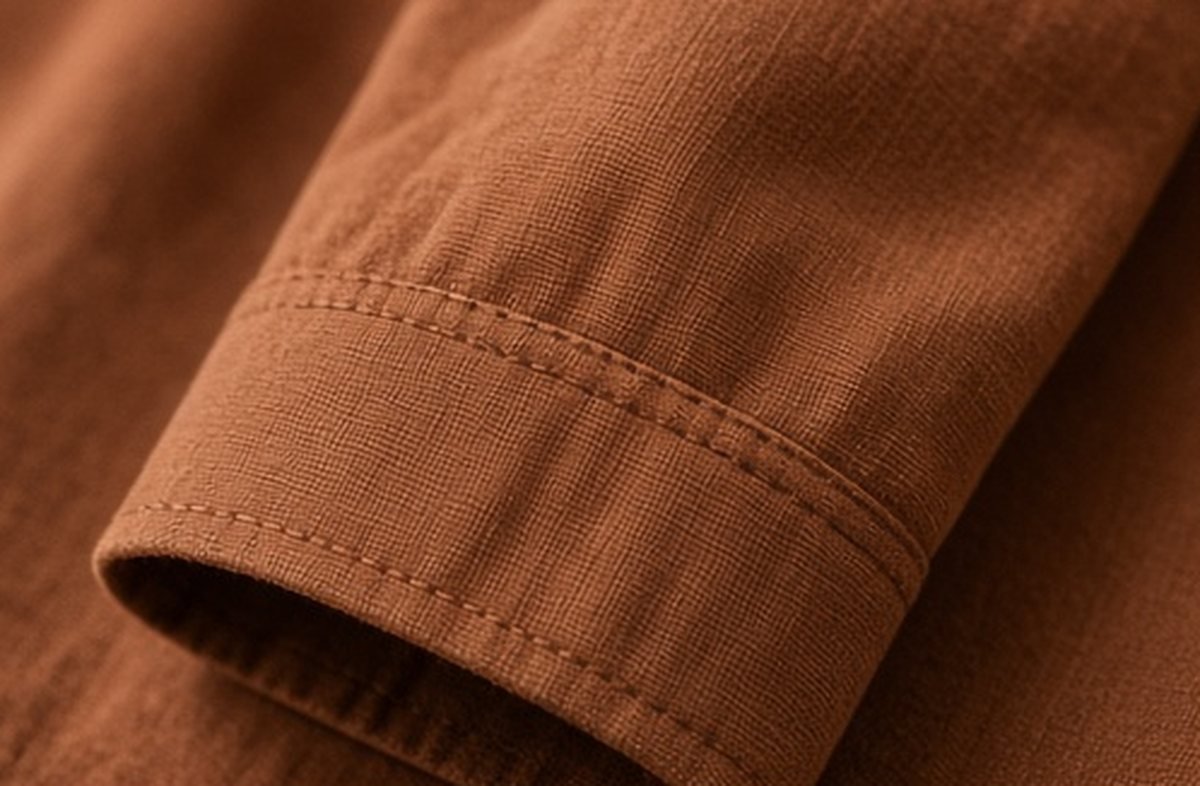
Think about the ordinary actions of the trip: washing hands, carrying a bag, sitting at a desk or eating during a transfer. Check the cuff construction and sleeve arrangement for the actual item rather than assuming it has a particular fastening or can be rolled comfortably.
A sleeve that requires constant attention may make the shirt less useful for your routine. Conversely, familiar cuffs may be entirely comfortable and worth the space. The aim is not to rank shirts against tees universally. It is to identify whether the extra structure and openings help or hinder the way you spend the day.
Pack for the care you can provide
Follow the garment's label for cleaning, drying and any pressing guidance. Do not assume a merino-containing shirt can be treated like a familiar cotton shirt or another Unbound Merino product. If your intended accommodation has limited facilities, include that limitation before counting the shirt as ready for repeated use.
Consider how it travels between wears too. Keep clean clothing protected from damp or soiled items, and avoid burying a shirt needed soon beneath laundry. A packing method can reduce unnecessary handling, but it is not a guarantee against creasing. Check the garment on arrival rather than assuming its condition from its fabric name.
Count what it replaces honestly
Compare the bag with and without the shirt. Does it replace another top, provide a necessary outfit or simply add a possibility you are unlikely to use? There is no requirement that every piece replace two others, but the role should be clear enough to justify carrying and caring for it.
If you cannot identify a gap, consider using an existing shirt first. A familiar garment gives you a practical reference for the next trip. If the collared option is essential, focus the comparison on that need instead of being distracted by a broad promise of travel versatility.
Keep the useful distinction
A collar is a feature, not a complete outfit solution. The shirt still needs suitable fit, workable care and compatibility with the days ahead. Choose it because those details line up with your plans, not because a small-bag wardrobe appears more complete with one included.
After the trip, note when you wore it and what would have happened without it. That simple comparison can establish whether a collared top is a regular part of your travel routine or an occasional addition. A thoughtful capsule leaves room for either answer without turning every journey into the same packing formula.