
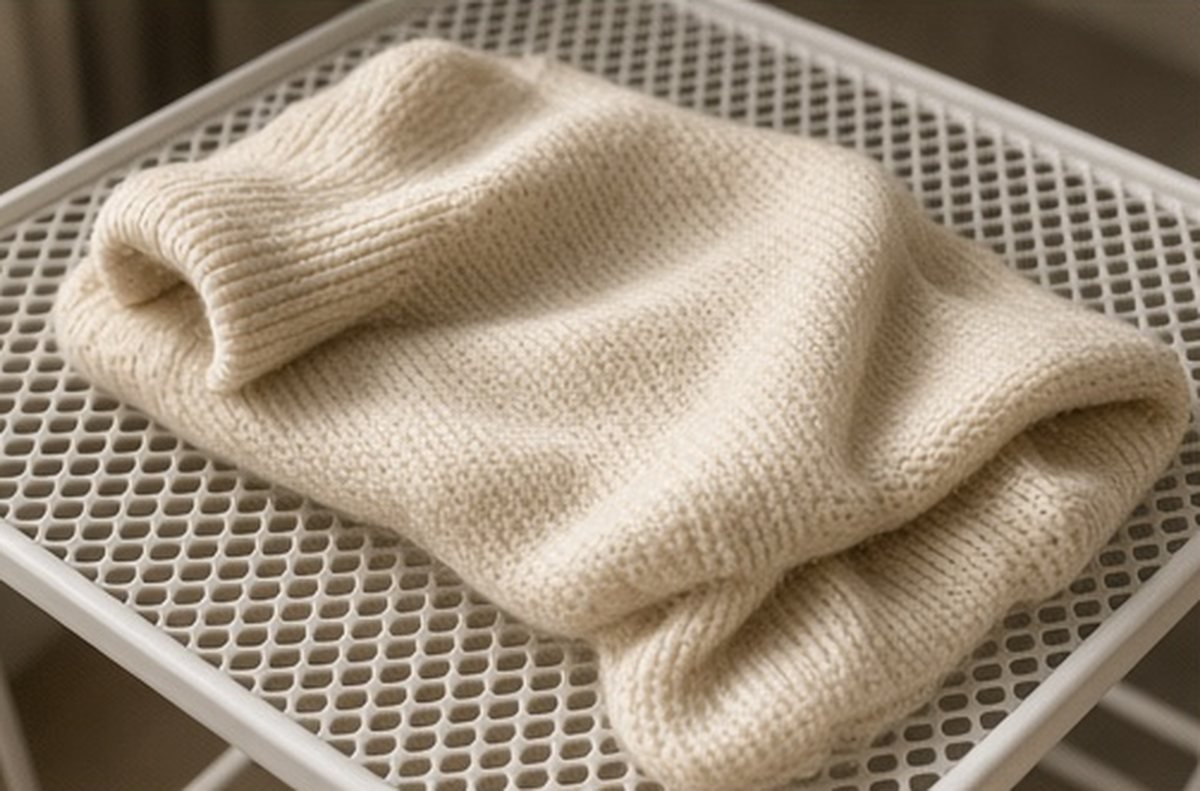
Repairing a garment for someone can be a generous offer. It can also change an object they value in ways they did not choose. A shorter hem, a visible patch or a replaced fastening may seem like an improvement to you and feel wrong to the owner. Begin with a conversation, not a needle.
This is particularly important with gifted, borrowed or sentimental clothing. The person may want preservation rather than everyday wear, or may prefer to leave the piece unchanged. Useful help respects that goal even when it differs from your own idea of making the garment functional again.
Establish ownership and permission
Ask whether the person wants the item repaired and who should decide the method. Being allowed to wash or store something is not the same as permission to alter it. A loan also does not authorise you to cut, dye, patch or replace components.
Keep the agreement specific. Sewing back an ordinary button differs from changing a silhouette or removing original material. If the task develops beyond what was discussed, pause and return to the owner. Consent should follow the actual work, not a vague initial offer to help.
Clarify the desired result
Ask how the garment will be used after repair. Is the aim to wear it frequently, keep it for an occasional event or preserve a memory? Those goals can lead to different choices about appearance, strength and intervention. Do not assume restored everyday wear is always the priority.
Discuss whether visible repair is welcome. A patch you find beautiful may be unwanted on a formal jacket, while another owner may prefer a clearly visible mend. Neither preference needs defending. The relevant aesthetic belongs to the person whose clothing will change.
Assess your own limits honestly
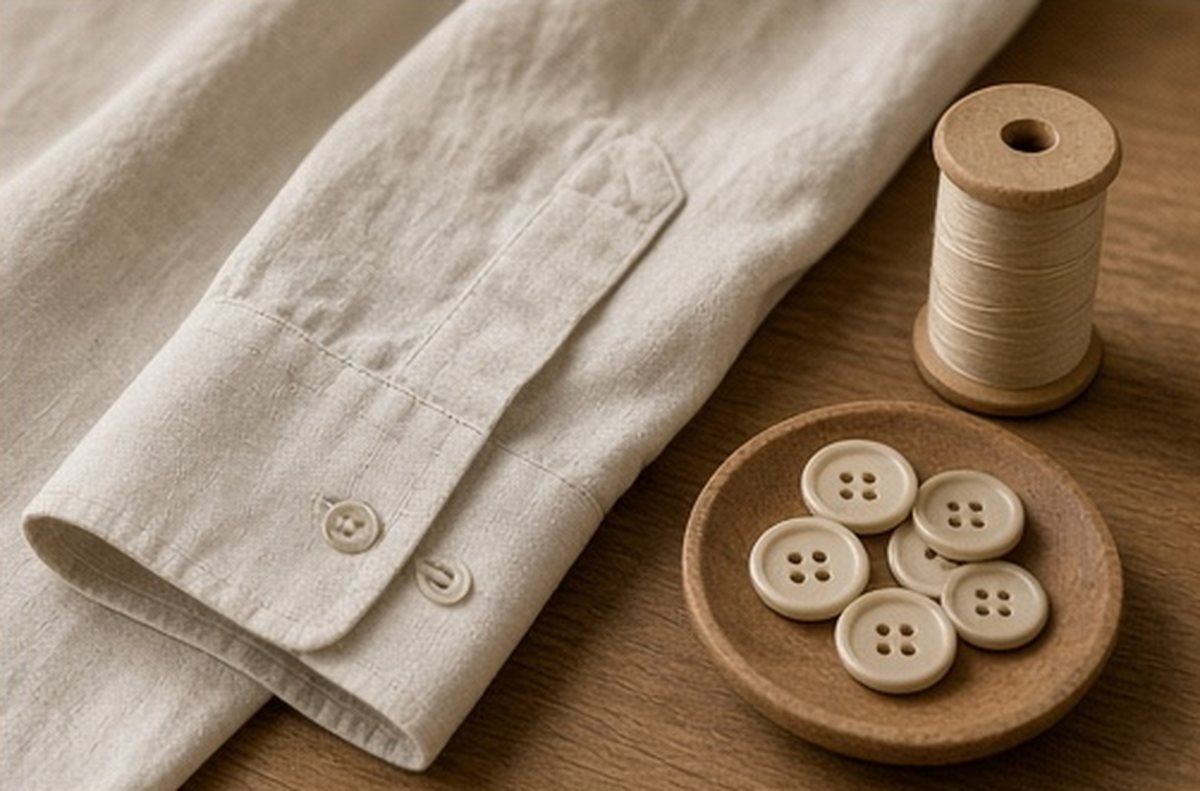
Describe what you know how to do and what remains uncertain. A basic hand-sewing skill does not establish competence with every knit, lining or fastening. Avoid promising an invisible or permanent result before inspecting the garment's condition and construction.
Practise unfamiliar techniques on suitable spare material rather than a sentimental piece. If the surrounding fabric is weak, damage may be broader than it first appears. Professional advice can preserve options that an enthusiastic irreversible attempt might remove.
Do not change fit by assumption
Fit preferences are personal and can change. Do not use an old size, a photograph or your impression of the person's body as a substitute for their instructions. An alteration intended as a flattering surprise can feel critical or simply be uncomfortable.
Where appropriate, let an alteration professional carry out a fitting with the owner. Bring the relevant shoes or underlayers when requested. The task is to support the wearer's comfort and intended use, not to enforce a particular silhouette you prefer.
Discuss cost and timing early
Obtain a real estimate for professional work where practical. A replacement zip, structural alteration and small seam repair can require very different effort. Do not announce that a repair is easy or inexpensive without an informed assessment of the specific garment.
If you are contributing money, make the amount and any limits clear without creating pressure to proceed. If you are giving time, be realistic about when you can complete the task. A garment unavailable for months may be less helpful than an honest referral to someone who can do it sooner.
Keep original components where sensible
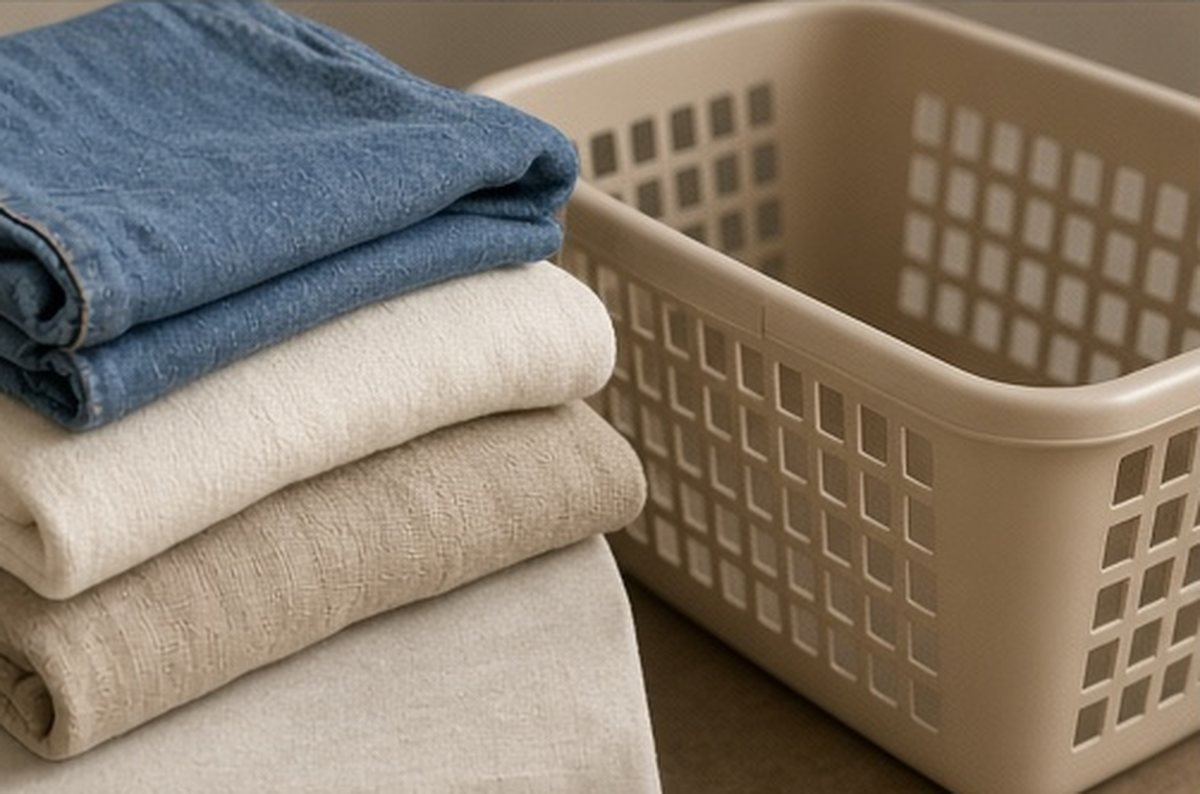
Ask whether the owner wants removed buttons, trims or fabric returned. Some parts may have sentimental or future repair value. Do not discard them automatically because a replacement looks better or because they appear too small to matter.
Store components safely and identify the garment they belong to. Avoid creating a mixed bag that makes them difficult to find later. If keeping something would be impractical or unsafe, discuss the issue rather than deciding silently on the owner's behalf.
Protect the item during the process
Use a clean workspace and suitable tools, keeping sharp items controlled. Follow relevant garment and product instructions. Do not introduce cleaning chemicals or heat treatments merely because they are convenient beside the sewing task. Repair and cleaning may need separate assessments.
For a valuable, delicate or historically significant piece, seek an appropriate specialist before intervention. Ordinary wardrobe repair advice is not conservation guidance. A willingness to stop can be more protective than confidence in a method learned on a different type of fabric.
Make progress visible without pressure
Show the agreed result at a sensible stage when adjustments are still possible. Ask for feedback neutrally rather than presenting the work as a favour the owner must praise. If something unexpected occurs, explain it promptly and discuss options before continuing.
If the owner changes their mind, respect that. A repair offer should not become an obligation to wear the result or justify the original preference. The relationship matters more than completing a project according to your plan.
Return the garment ready for its next decision
Provide any relevant care information and explain the repair's limitations. Do not promise that the item can now tolerate every activity or cleaning method. Keep receipts or professional notes available if they help the owner maintain the piece.
Then let them decide how often to use it. Repeatedly asking whether the garment has been worn can turn practical help into a reporting duty. The strongest repair gift gives the owner more freedom over a valued object, not less. Thoughtful care begins with respecting whose garment it is.