
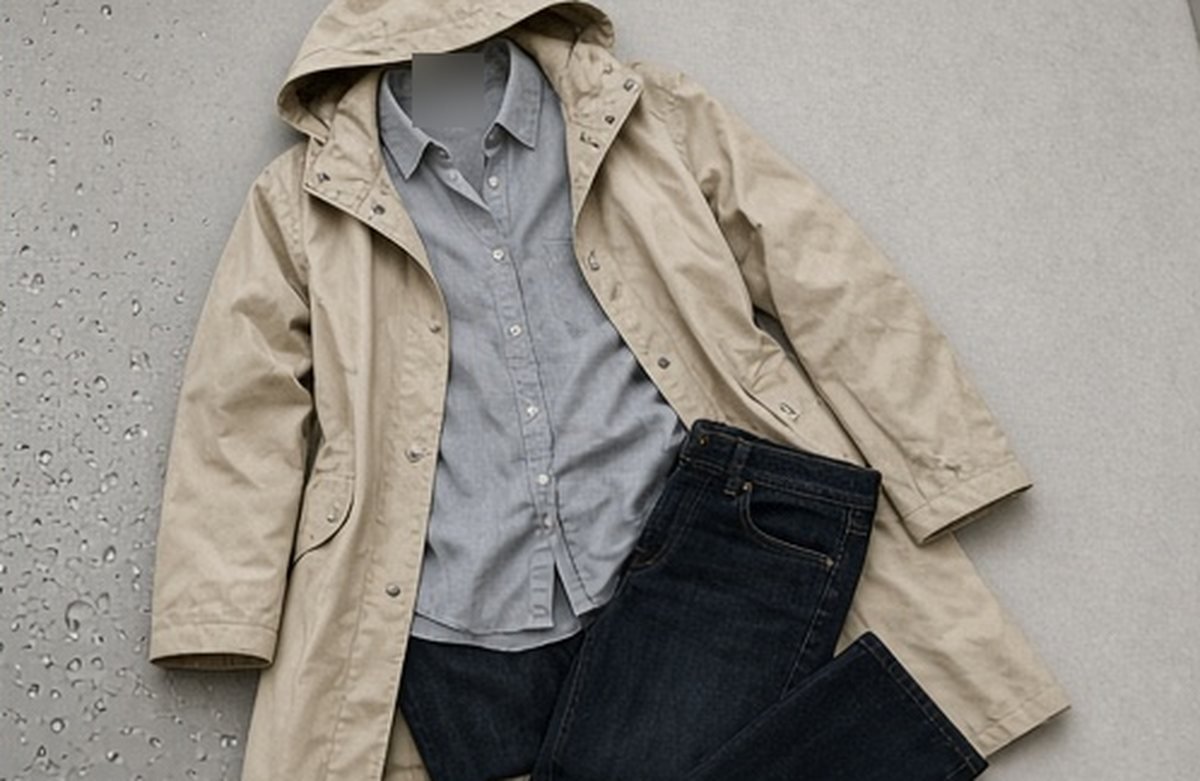
A dark garment and a pale bag can make an attractive outfit, but the care information deserves attention before the pairing becomes routine. Some textiles carry warnings about colour transfer or separate washing. Those warnings should be read as information about the exact item, not extended into a claim that every dark fabric behaves the same way.
This guide does not diagnose a particular mark or guarantee that a combination is safe. It offers a practical sequence: read both items' guidance, understand any warning, avoid inventing a test and plan what to do if a problem appears. A careful decision is more useful than a universal rule based on colour alone.
Read the garment label before styling
Look for relevant care instructions and any information supplied with the garment. If it says to wash before use, wash separately or avoid contact with particular surfaces, follow that guidance. Do not treat the warning as optional simply because the garment looks finished and ready in a product photograph.
If the wording is unclear, ask the seller or manufacturer for clarification about the exact item. Do not assume an older pair of trousers provides a reliable prediction for a new one. Colour, fabric description and brand familiarity are not substitutes for the instructions supplied with the garment you intend to wear.
Read the accessory's guidance too
The pale bag, strap or shoe also has its own material and care requirements. Check what the maker says about contact, cleaning and suitable use. A surface that appears easy to wipe may have a finish that requires particular handling, so avoid guessing from appearance.
Keep the two sets of information separate. A cleaning method permitted for the garment may be inappropriate for the accessory. Likewise, protecting one item should not involve applying an unapproved product to the other. The outfit combines them visually, but their maintenance instructions do not merge into one general routine.
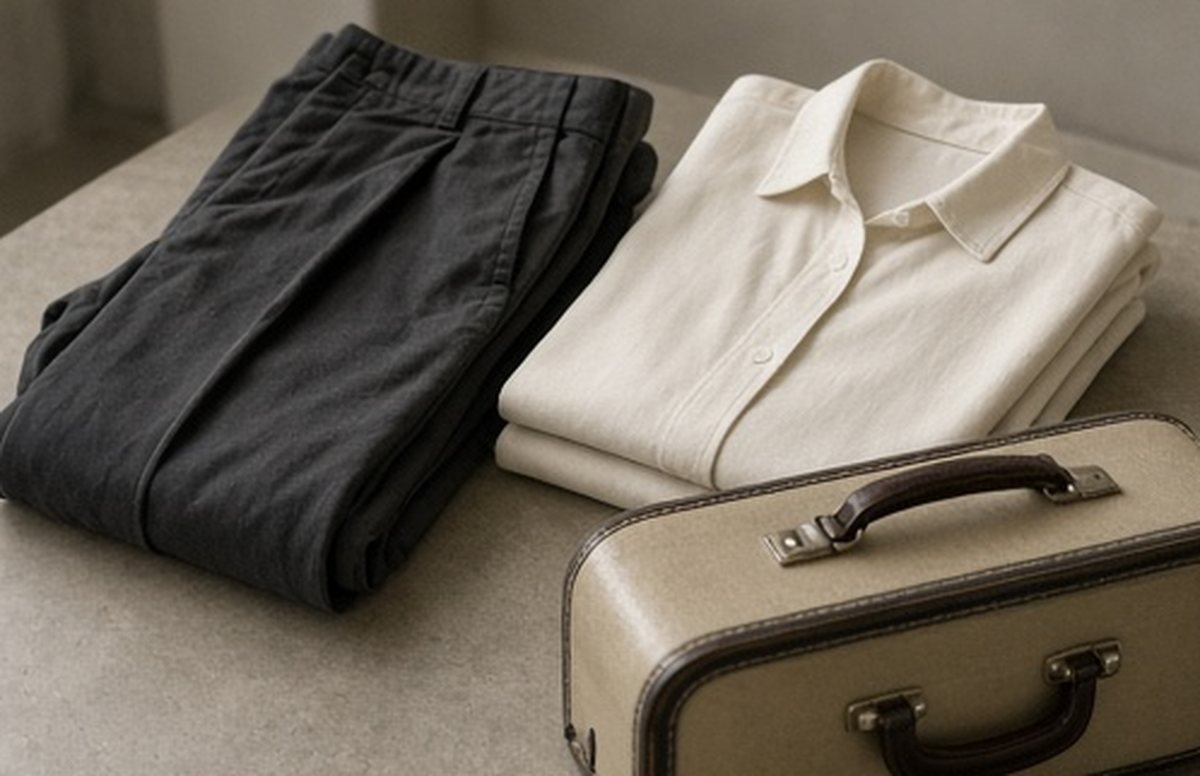
Identify where contact actually occurs
Look at the outfit in ordinary use: where the bag rests against the trousers, where the strap crosses a shoulder or where a pale shoe meets a hem. Do this by observing the position, not by rubbing the items together to see what happens.
A pairing that looks separated in a mirror may involve contact while walking or sitting. Note those changes without turning them into a performance prediction. The purpose is to understand the combination and any relevant warning. A product photograph may not show the position that matters most during your commute or travel day.
Do not invent a home friction test
Avoid deliberately rubbing a pale cloth, bag or garment against another item as an improvised test, particularly while considering a return. Such an experiment can mark or alter the items and may not reproduce the conditions of ordinary use in a reliable way.
If a manufacturer provides a specific assessment or care procedure, follow that actual guidance rather than a version remembered from another product. Where no suitable information exists and the risk matters to you, choose a different existing combination or seek clarification. You do not need to create damage in order to justify caution.
Keep required cleaning separate from assumptions
If the garment's instructions require cleaning before wear, use the prescribed process. Do not assume one wash eliminates every possibility of later transfer, and do not repeat aggressive cleaning to chase a guarantee the manufacturer has not supplied. Follow the exact guidance and ask about unresolved concerns.
Avoid generic advice involving vinegar, salt, strong chemicals or unusually high heat unless it is explicitly appropriate to the actual item. A widely repeated household tip is not evidence of compatibility with every dye, fabric or finish. The safe scope of this article is careful reading and appropriate advice, not a universal treatment recipe.
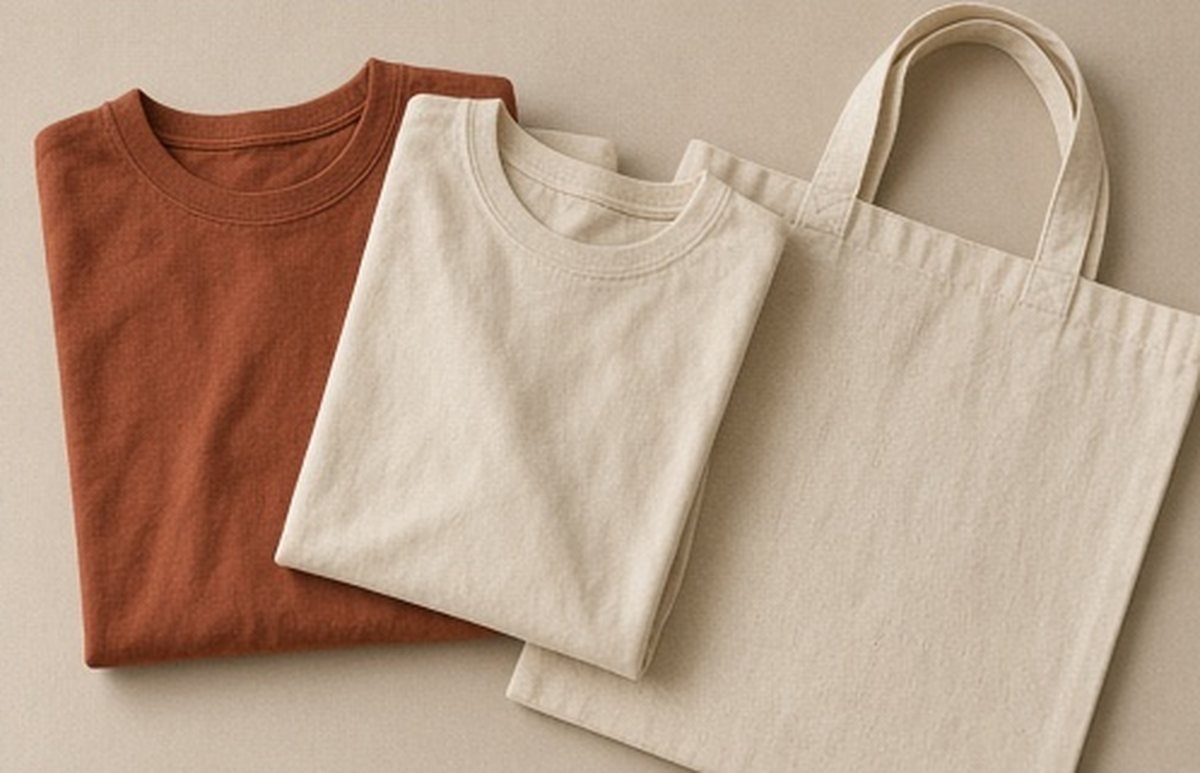
Choose the combination deliberately
If the information leaves you uncertain, consider another bag or garment you already own for that day. The choice can be practical without becoming a rule that pale accessories must never be worn with dark clothes. A specific warning or unresolved question deserves a specific response.
Do not buy a protective product or replacement item solely because a styling idea created anxiety. Start with available alternatives and the maker's information. If the original combination matters enough to investigate further, seek clear product-specific guidance rather than relying on reassurance from an unrelated review or a social-media demonstration.
Separate items appropriately during transport
Consider contact in luggage as well as while wearing the outfit. Follow any relevant instructions, especially if an item is damp or needs cleaning. Keep unsuitable or soiled pieces from touching clean belongings and attend to them appropriately when facilities are available.
Temporary containment does not create a long-term storage solution for damp clothing. Nor does a protective pouch establish that the fabric will never transfer colour. Use separation for a defined transport task, then follow the item's care guidance. The aim is practical handling, not a promise that packing equipment can cancel material behaviour.
If a mark appears, pause before treating it
Do not immediately scrub, apply a solvent or use the garment's cleaning method on the accessory. Record what you can see and consult the relevant care information or an appropriate professional. A mark's appearance alone may not establish its cause, and an improvised treatment can complicate later assessment.
Keep the decision proportionate and evidence-based. The useful habit is to read warnings early, understand where items meet and ask when instructions are unclear. That approach protects the integrity of the outfit decision without turning every dark textile into a threat or every pale accessory into something too precious to use.