
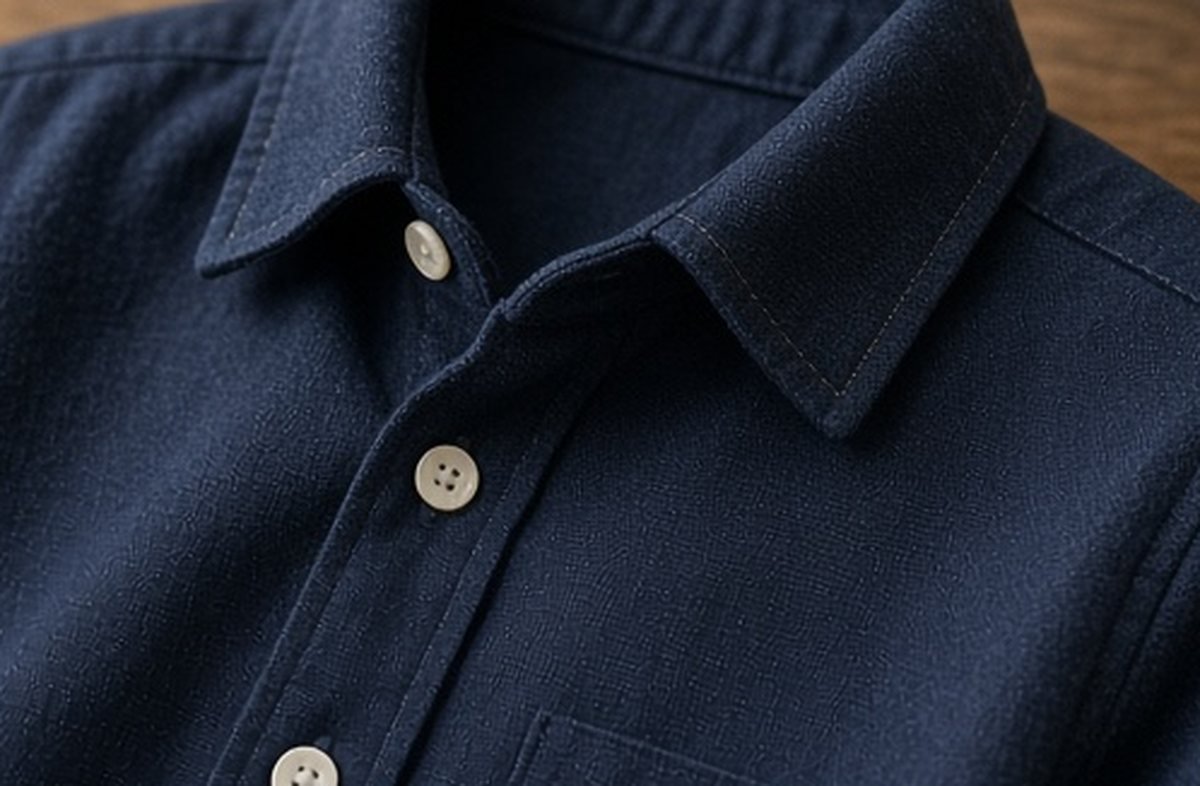
Rolling a sleeve can change an outfit quickly, but it is not a universal solution to length, fit or temperature. A cuff has its own construction, and the next layer may interact with the extra fabric. Before making the roll part of a daily outfit, check how it behaves during the tasks you actually do.
Use a shirt you own and understand, and follow its care needs. This is a styling assessment rather than an alteration method. Do not force unfamiliar cuffs, remove components or create permanent marks while deciding whether a garment should be kept. The useful goal is a manageable sleeve arrangement, not the appearance of ease at any cost.
Find the original sleeve position
Wear the shirt naturally first. Notice where the cuff lands and whether the issue is length, opening, fabric volume or simply a visual preference. Those are different questions. A roll may change the appearance while leaving an uncomfortable upper sleeve or shoulder fit unchanged.
If the garment does not fit in a way you can comfortably use, assess that separately. Do not use repeated folding to avoid deciding about a fundamental mismatch. A styling choice can be useful, but it should not have to carry the entire responsibility for making an unsuitable shirt wearable.
Read the cuff construction
Look at the opening, any fastenings and the fabric around them. Do not assume the arrangement matches another shirt merely because both have buttons. If a detail is unfamiliar, consult the product information or ask before manipulating it.
Avoid pulling hard on an opening to get the sleeve past a wider part of the arm. The desired position should be achievable without straining the garment. If it is not, choose another arrangement or another shirt rather than treating a tight roll as something that must be endured for the styling effect.
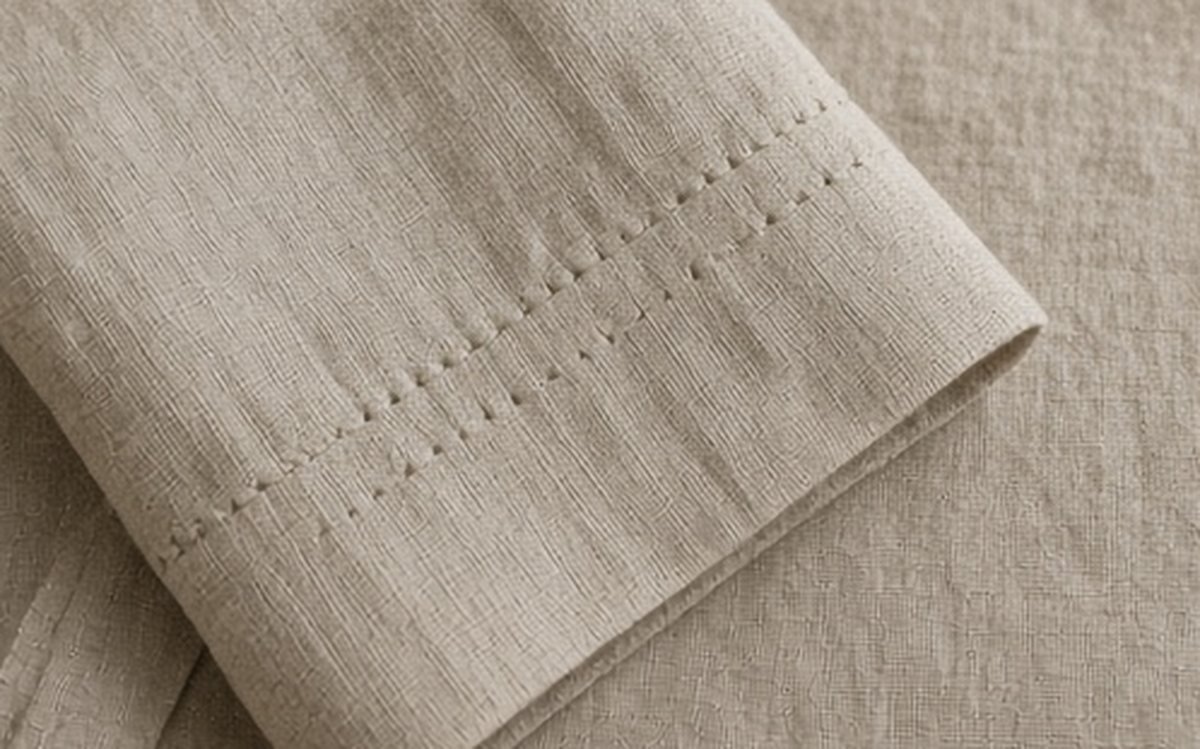
Choose the position for a real task
Decide why you want the sleeve moved. You may prefer the appearance, need comfortable clearance during an ordinary activity or want a different relationship with a vest. Keep the reason specific instead of rolling every shirt automatically because it looks more relaxed.
Check both arms in normal use. A position that looks good while standing may feel awkward when you bend an elbow or reach forward. There is no need to insist on identical neatness throughout movement. The useful question is whether the sleeve remains comfortable and stays within the arrangement you actually want.
Avoid a bulky local pressure point
Notice how much fabric collects in the fold. Do not assume more folds create a better result. A thick roll can feel different from a light one, and the amount of material depends on the actual sleeve rather than a universal technique.
If the arrangement presses or repeatedly slips, stop and reassess. A different position may help, but a comfortable alternative might be leaving the sleeve down or choosing another existing shirt. The outfit does not become more successful because you can reproduce a photograph that requires constant correction during the day.
Add the outer layer carefully
Try the cardigan, jacket or coat you expect to wear. Check whether the rolled area fits comfortably beneath its sleeve and whether taking the layer off disturbs the shirt. Two garments that work separately may create an awkward concentration of fabric when combined.
Do not push or tug the rolled sleeve through a tight opening. If the journey requires another layer, the full arrangement matters more than the shirt's indoor appearance alone. You may prefer to unroll before adding outerwear, provided that sequence is practical and does not introduce more work than the styling choice is worth.

Check jewellery and carried items
Consider a watch, bracelet or bag strap where relevant. Keep anything that may catch or press against the fabric in the assessment without deliberately rubbing it as a test. A small interaction can become noticeable when repeated through the day.
Avoid treating sleeve styling as separate from ordinary belongings. You do not need to remove every accessory, but the complete combination should be manageable. If one item is damaged or catches repeatedly, address that condition appropriately rather than assuming a different roll will make the contact irrelevant.
Return the shirt to suitable care
After wear, assess the shirt's condition and follow its actual label. Do not assume a rolled cuff needs a particular cleaning or pressing process independent of the rest of the garment. Keep any mark, strain or loose fastening visible for appropriate attention.
If you decide an alteration would be preferable to repeated rolling, discuss the actual garment with a qualified professional before committing. A small-looking change can involve construction details you have not assessed. The temporary styling arrangement and a permanent fit change should remain separate decisions.
Also think about the moment you want the sleeves down again. If the arrangement becomes inconvenient after a coat is added, leave the shirt unrolled for that part of the day. A useful styling choice can change with the activity without needing to become a permanent formula.
Save the arrangement, not a rule
Note which shirt, position and outer layer worked together. This can help you repeat an easy combination without turning it into a universal instruction for every sleeve. Different cuffs and fabrics may call for a different choice.
A rolled sleeve is useful when it supports your preference and ordinary movement with little attention. It is optional when it does not. Starting with the actual cuff and the next layer keeps the decision grounded, so a simple styling detail remains simple instead of becoming another problem to manage.