
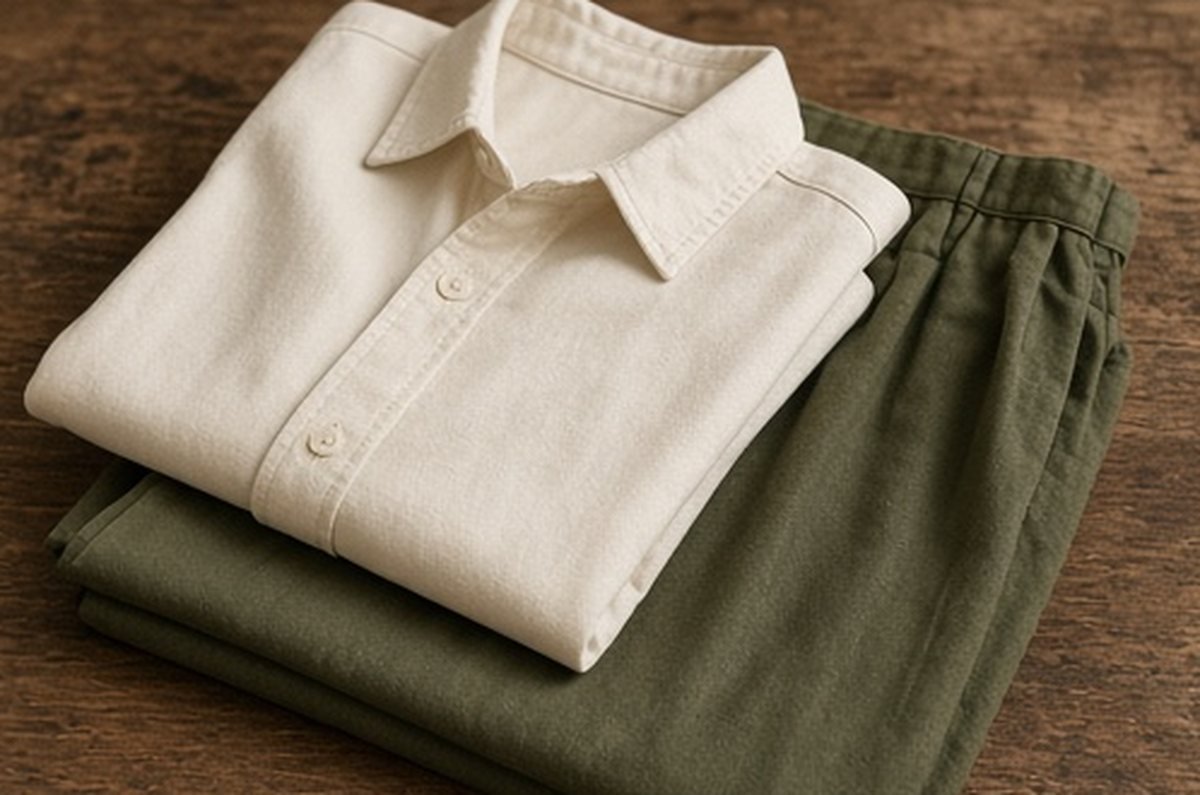
A favourite garment is a useful fit reference because you know how it feels in real use. Its current dimensions, however, may not be identical to the original item. Wear, care, alterations and the way you measure can affect the comparison. Record the garment's state before treating its numbers as a replacement specification.
The goal is not to restore the piece to an imagined original shape or calculate a universal shrinkage allowance. It is to make the reference honest. A few clear measurements, taken consistently and paired with practical observations, can support a new decision without pretending that one well-worn tee explains every product in its size.
Choose a relevant reference
Use a garment that serves a similar role to the item you are considering. A loose overshirt may not provide a meaningful width target for a close base layer. Construction and intended ease matter alongside the number on the tape.
Write down why you like the reference: comfortable shoulder room, preferred length or another specific feature. You may not want every dimension copied. A familiar garment can have one excellent feature and another you would change, so avoid treating the whole piece as a perfect pattern simply because it is frequently worn.
Note when it was last used or cared for
Record whether the garment is freshly cared for according to its label, recently worn or waiting for attention. This does not establish a technical measurement standard, but it preserves context. A number without that context can become more authoritative in your notes than the observation deserves.
Do not wash, heat, stretch or press the item in an unapproved way to make it resemble a desired specification. Follow its actual care guidance. If the garment's state makes a comparison uncertain, say so. The answer is not to force the reference into a condition you cannot reliably reproduce.
Check for known changes
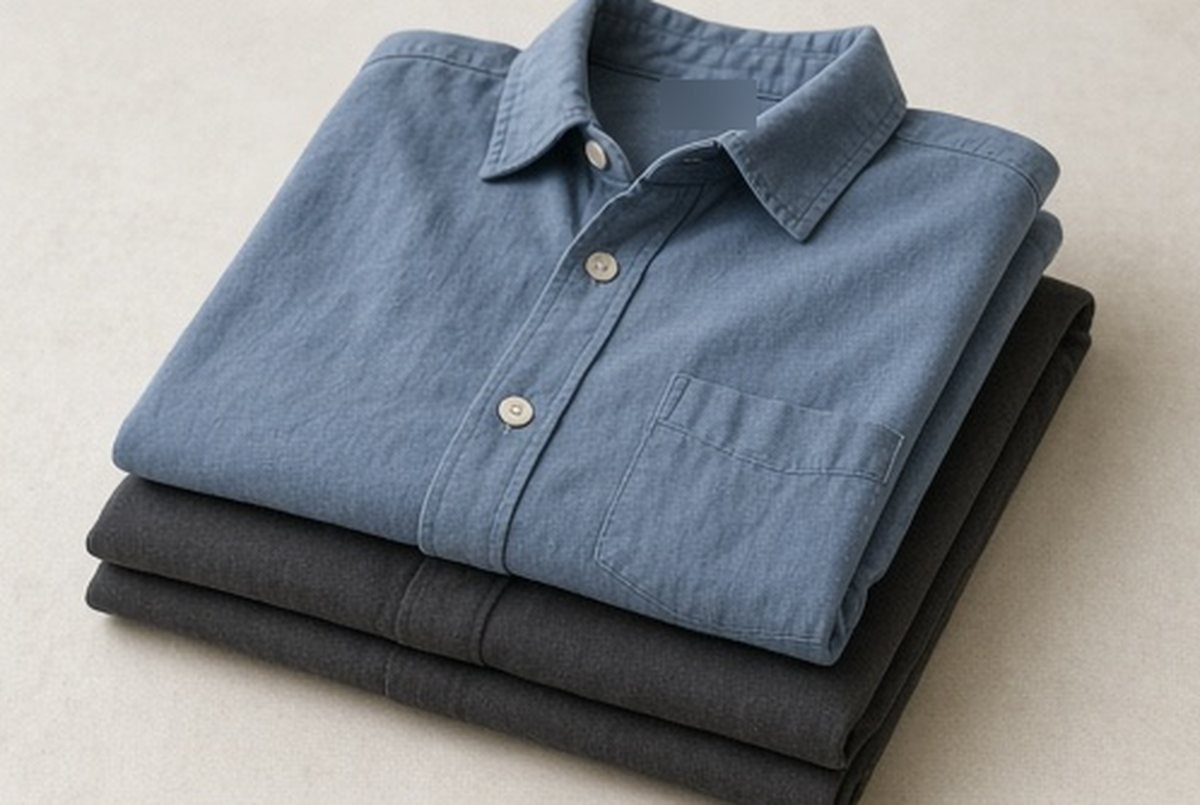
Note alterations, repairs and visible shape changes that affect the areas being measured. A shortened hem or replaced waistband should not disappear from the comparison. If the history is unknown because the item was acquired secondhand, keep that uncertainty visible.
Do not infer that a loose area proves the original size was larger or that a shorter body proves a particular amount of shrinkage. Those conclusions need evidence you may not have. Record what is observable and known, leaving the original dimensions separate unless you have a reliable source for them.
Match the seller's measuring method
Read how the proposed item's measurements are taken. Distinguish a flat half-width from a full circumference and a body measurement from a garment measurement. Use the same landmarks where you can understand and reproduce them without manipulating the fabric.
Lay the reference appropriately, smooth it gently without pulling and keep the tape straight for the stated measurement. Do not stretch the garment to its largest possible number. You are creating a useful comparison, not proving that the material can briefly reach a target that may be uncomfortable in ordinary use.
Record several relevant dimensions
Choose the measurements connected to the actual fit brief: body length, shoulder or sleeve information and width where useful. A single chest number cannot explain every relationship between garment and wearer. Keep the list small enough that you can take it consistently.
If an important dimension is unavailable for the new item, ask rather than inventing it from a model image. The reference can clarify the question you need answered. It cannot supply missing information about another garment's pattern, construction or intended ease, even when the products appear similar on a screen.
Pair numbers with movement notes
Write what happens in ordinary positions: comfortable seated length, easy reaching or a cuff that needs adjustment. These observations give meaning to the dimensions. A garment can measure similarly to another while feeling different because the rest of the construction is not equivalent.
Keep the notes specific and neutral. Do not turn one favourite into a universal rule about what your body should fit. The aim is a practical brief for clothing you want to use, not a technical standard you must meet. Preference and construction remain part of the decision alongside measurement.
Compare without predicting every change
Use the new item's exact information and care guidance. Do not select a size on an invented forecast that it will stretch or shrink into the reference dimensions. A familiar old garment's history does not establish what an unfamiliar item will do.
If the product details leave a crucial uncertainty, ask for clarification or decide whether the available fitting route is acceptable. Check applicable conditions before trying or altering anything. Measurements reduce uncertainty; they do not remove the need for an appropriate decision about the actual garment received.
Photographs of the measuring setup can help you remember the landmarks, provided the numbers and method remain clear. They are a personal reference, not proof that another garment will fit. Keep any useful image with the state note rather than separating it from the context that gives it meaning.
Keep a reference card rather than a verdict
Save the description, measuring method, current state and the few dimensions you used. Add the fit features you want to retain or change. That small record is more useful than a note saying buy the same size again, especially when the old piece has changed over time.
A worn favourite can remain an excellent guide when its limits are acknowledged. It tells you something real about comfort and preference, while the state note prevents its current shape from being mistaken for an untouched factory specification. Use it to ask clearer questions, not to promise an exact replacement from a label alone.