
By Sarah J. · January 16, 2026
A patch inside a pocket needs a usable inside finish as well as a tidy exterior. Assess the actual pocket bag, damage and intended contents before choosing the repair, then check ordinary access appropriately; a hidden bulky or catching edge can matter every time the garment is used.
Key takeaways
- Inspect the whole pocket.
- Consider the hand-facing surface.
- Recheck ordinary access.
Empty and inspect the pocket
Remove the contents and look for the extent of damage without pulling a small opening wider. Check whether an object caused abrasion or whether surrounding cloth is weakened too. Do not assume one visible hole describes the whole problem or makes the same patch suitable everywhere.
Discuss the inside finish
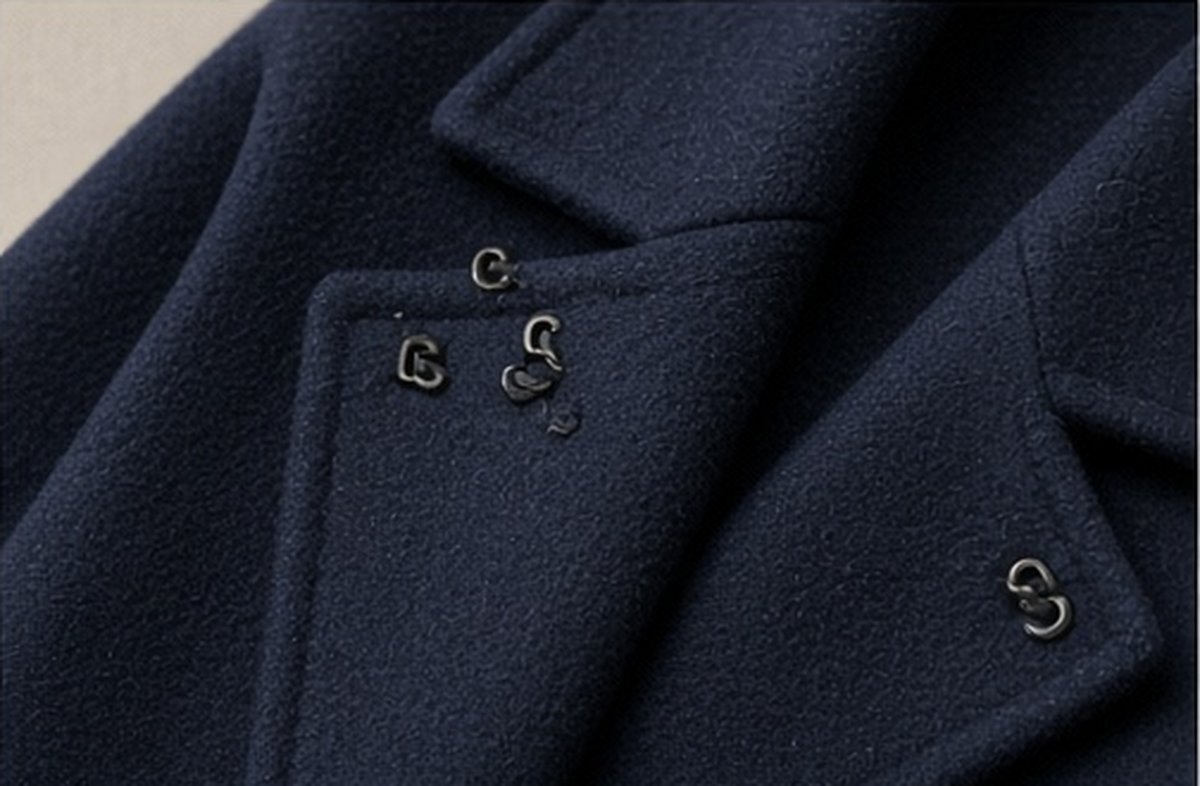
If seeking help, explain what you normally carry and ask how the proposed repair will sit inside the pocket. A bulky edge may be inconvenient even when hidden. Avoid sharp temporary fastenings that could injure a hand or damage a phone while waiting for proper repair.
Test gently afterward
With the repairer's guidance, check access and the intended contents before loading the pocket heavily. A repaired pocket need not become a storage place for every small object. Consider moving sharp or weighty belongings to a suitable bag if they contributed to the damage.
How should you assess a patch inside a pocket?
Empty the pocket and inspect the relevant area gently without pulling a small opening wider. Keep what you can observe separate from the cause you suspect. A visible hole may not describe all the surrounding wear, and a familiar object carried there does not prove exactly how the issue developed. Preserve the actual starting condition so the repair discussion concerns the whole pocket rather than a tidied version of one obvious mark.
Identify the garment and pocket location clearly, including available composition and care information. Keep any detached part with the item where relevant. Do not select a patch solely because its colour is discreet from outside. The repair brief includes the construction, support needed and the surfaces the hand or everyday contents will meet, not only the appearance of the garment viewed from the front.
Why does the inside finish deserve its own question?
The pocket is used through contact and movement. A repair can be hidden externally while an edge or added bulk changes access inside. Ask how the proposed method will sit against the hand-facing surface and relevant contents. This is a practical construction question, not a demand that every repair be invisible. A visible result can be acceptable where the wearer wants it and the actual function is appropriate.
Do not infer smoothness or compatibility from a photograph of the outer garment alone. If the finish matters to your use, make it part of the brief before work begins. A repairer can assess the actual options and limitations more usefully when the inside role is explicit. Keep appearance and function connected without allowing a neat exterior to become proof that every hidden detail has been resolved.
What should you explain about the pocket’s intended contents?
Describe the ordinary objects you genuinely carry, keeping the information proportionate. A phone, keys or another item can create different practical contact questions, but the repair should not become a claim that the pocket is suitable for every load. Keep the original garment’s role and any relevant guidance in view rather than using the patch as a reason to increase the weight or number of belongings carried there.
If the contents may have contributed to abrasion or another issue, discuss an appropriate alternative carrying arrangement. A separate suitable holder or bag location may be worth considering, but it is not an automatic purchase requirement. The useful question is how to avoid repeating the practical problem, not how to make one repaired pocket accommodate every sharp, rough or bulky object that previously happened to fit through the opening.
How do you agree a suitable method before work starts?
Ask about the actual construction, scope and relevant inside finish rather than instructing someone simply to cover the hole. Keep candidate material as an option until compatibility and care implications are understood. If you do not have the relevant skill, seek appropriate help instead of attaching an experimental piece and hoping the hidden position makes the result unimportant. The pocket’s ordinary use still depends on the quality of the chosen arrangement.
Avoid sharp temporary fastenings or another improvised solution while waiting for proper assessment. Keep the garment out of an intended use that depends on the unresolved pocket, or choose another suitable carrying arrangement where appropriate. The immediate outfit decision and the repair plan can remain separate. A deadline does not make a guessed method more compatible with the pocket bag or remove the need to understand the proposed work.
What should you check after the repair is completed?
With the relevant guidance, assess ordinary access gently before introducing the usual appropriate contents. Notice any catching, uncomfortable edge or other question without pulling the repair to test maximum strength. If something is unclear, return to the repairer rather than forcing the pocket to prove it works. A completed-looking patch and an understandable usable pocket are related but not identical conclusions.
Keep the test within the garment’s intended role and do not immediately load the pocket heavily to demonstrate improvement. The repair is not an independent guarantee of unlimited capacity. Check how the contents sit and whether another carrying choice is more practical. The aim is ordinary useful function, not a stress test or a requirement that every repaired feature must become stronger or more versatile than the construction originally established.
How do you keep the repair useful over time?
Clarify care for the complete repaired garment, especially where added material or construction changes the handling question. Keep relevant information with the item rather than assuming every original routine remains suitable in exactly the same way. Note the repair location and any agreed limitation if that helps future use. A short clear record is enough; the task does not require a complex maintenance catalogue for every pocket.
After ordinary wearing, pay attention to the practical relationship between the inside finish and actual contents. If another issue appears, describe it specifically instead of treating the earlier repair as proof that the pocket can no longer have a question. A useful repair succeeds in repeated appropriate use, supported by a clear brief and realistic contents. The inside surface deserves the same attention as the photograph-friendly exterior because it is the part the wearer meets every day.
A pocket repair succeeds in use, not just in photographs. Plan the interior finish with the same care as the outside so the garment remains comfortable and useful.
Which practical check fits the situation?
| Situation | Practical check |
|---|---|
| Assessment | Inspect the whole relevant pocket area without widening damage. |
| Repair brief | Include hand-facing finish and actual appropriate contents. |
| After work | Check ordinary access gently and clarify complete-garment care. |
Related reading
- A Clothing Repair Queue That Fits One Available Evening
- A Spill and a Needed Repair: Agree the Care Sequence First
- A Missing Coat Button Before a Visit: Avoid the Rushed Repair
Frequently asked questions
Not necessarily. A neat functional result may matter more, provided you are happy with its appearance and finish.
Assess the cause of the damage. A suitable separate holder or different carrying place may reduce repeated abrasion.
No. Ask about and assess the actual hand-facing surface and normal access.
No. Keep use within the garment’s appropriate role rather than treating the patch as an unlimited capacity claim.
No. Construction, support, inside finish and compatible care belong in the brief alongside appearance.