
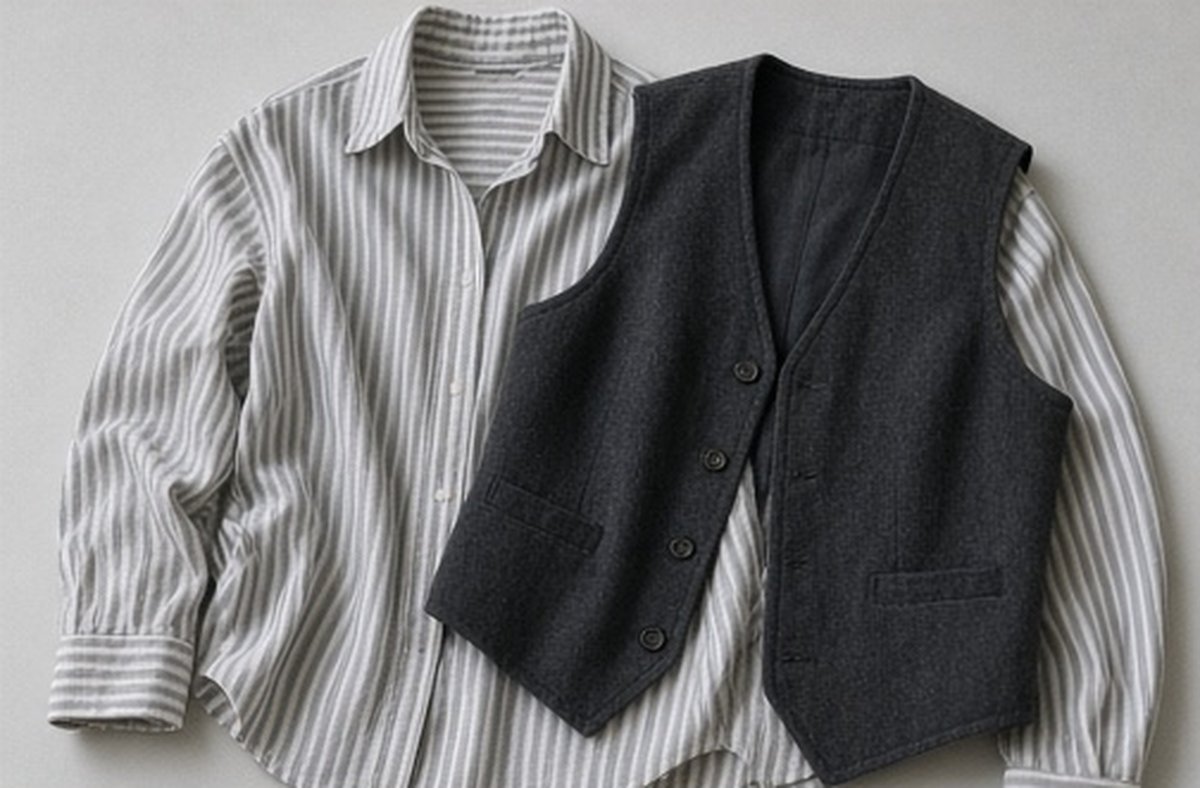
By Sarah J. · January 19, 2026
Per the brand, INDIGENOUS presents organic Pima cotton knits and artisan-made clothing, but those descriptions do not establish a particular neck opening. Compare the exact knit with your real winter shirt and outer layer, then keep materials, personal fit and complete-item care as separate checks.
Key takeaways
- Choose the real shirt.
- Compare the neckline.
- Include the winter coat.
Keep the brand claim specific
Per the brand, the INDIGENOUS site describes organic Pima cotton from Peru and artisan-made clothing. Those descriptions do not establish the opening, stretch or fit of every knit. Read the individual item's measurements, composition and care information before planning its place in your wardrobe.
Use a familiar comparison
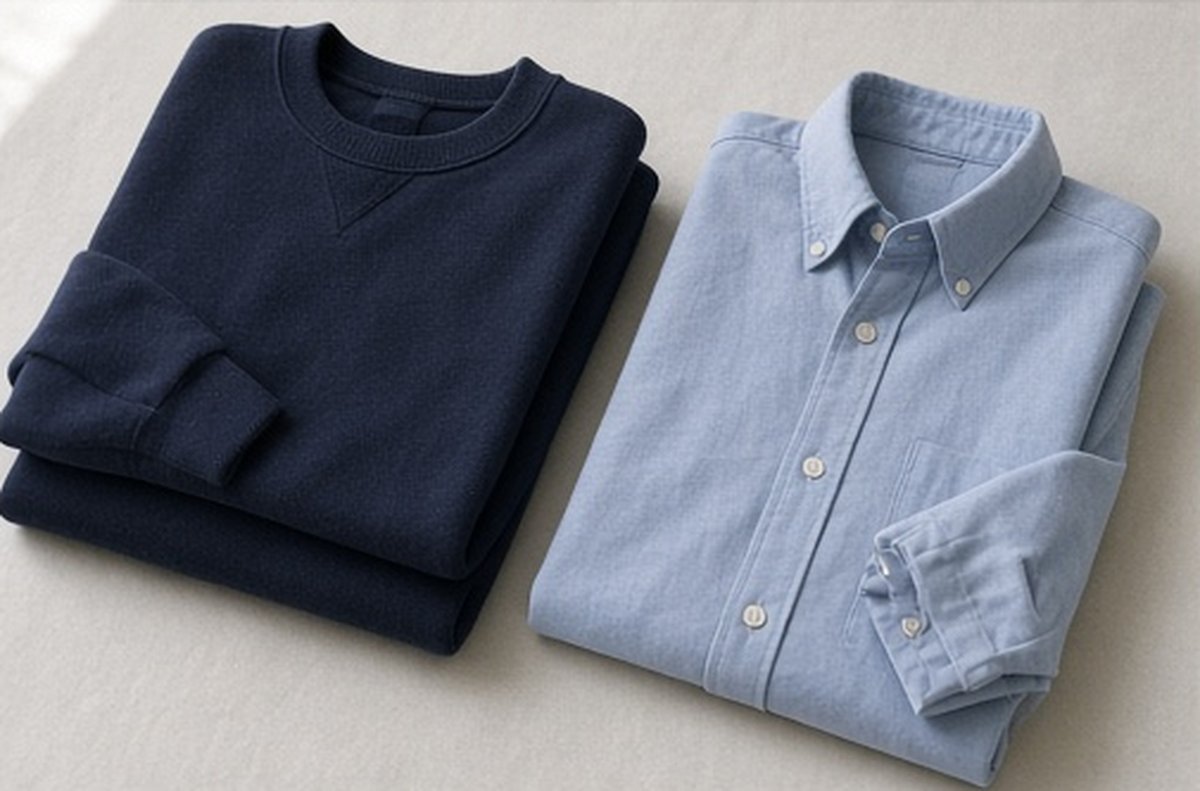
Choose a shirt you genuinely repeat in winter and note how its collar sits under a knit you already like. Compare that arrangement with the neckline being considered. Do not assume a model's open collar will sit the same way over your own buttoned shirt.
Check the outer layer too
Account for the coat or jacket you will wear over both pieces. The useful question is whether the complete combination feels comfortable around neck and shoulders. If the fit information leaves that unclear, ask the brand rather than inventing a generous opening from a photograph.
What does INDIGENOUS say about its cotton knits?
Per the brand, the INDIGENOUS site describes organic Pima cotton from Peru and artisan-made clothing. Keep those attributed range and sourcing statements at their stated scope. They are not a measurement of every neckline, a promise of one amount of stretch or an independent assessment of the individual garment. Read the specific item’s construction and composition beside the wider story rather than allowing the narrative to supply missing dimensions.
If a material detail matters, identify the exact knit and version before making a comparison. Do not copy a percentage or component from another item because the colour or apparent texture is similar. A brand-level interest can explain why you begin looking, while the actual garment information determines what can be established about this piece. Both can be useful without being treated as interchangeable evidence.
Which shirt should you use as the real comparison?
Choose a familiar shirt you genuinely wear in the intended winter setting. Note its collar and fastening arrangement rather than substituting an open neckline that makes a photograph easier to imitate. A preferred pairing already in your wardrobe can help explain what works for you, but it is a reference, not proof that every knit with a similar appearance has the same opening or fit.
Keep known alterations and current condition visible when using an existing garment as a guide. Distinguish personal preference from a technical measurement and retain the method and units where numbers are compared. You may like the look of a collar partly visible, fully covered or arranged another appropriate way. None is a universal rule, so the relevant brief is your actual preferred outfit rather than a styling formula assigned to every cotton knit.
How do you assess the neck opening without forcing it?
Use the intended garment arrangement where a try-on is practical, checking the actual shirt beneath the knit. Notice collar position, nearby fabric and ordinary comfort through gentle movement. Do not pull the opening into a wider shape to prove the combination can work. A posed image with a model’s shirt arranged differently may illustrate an idea without establishing the same relationship with your own buttoned collar.
For an online decision, use the specific measurements and ask about a crucial missing point rather than estimating generous space from a photograph. Keep the answer attached to the item and method it describes. An unresolved opening dimension should remain unresolved until relevant information is available. The purpose of comparison is to narrow uncertainty, not to create a complete-looking fit conclusion through assumptions about organic cotton or artisan construction.
Why should the shoulders, sleeves and coat join the check?
The neckline belongs to a whole layered outfit. Try the actual shirt sleeves and shoulders beneath the knit, then add appropriate outerwear where relevant to the journey. A comfortable opening can coexist with another awkward contact point, so keep the full arrangement visible. Use closures as designed and ordinary movement rather than pressing the layers into a smooth outline that only stays while you hold still.
If the combination is cumbersome, change a specific familiar companion and reassess before assuming a new size or alteration is required. Another shirt or outer layer may create a useful role for the knit without making every possible pairing compatible. Keep outdoor suitability separate from the indoor appearance check. A cotton sourcing description and a successful neckline trial do not establish the complete protection needed for every winter condition or activity.
What care questions belong before relying on repeat use?
Read the complete item’s care guidance rather than applying a general cotton routine to the knit. Construction and separately described components can matter, and the shirt may have different requirements. Wearing the pieces together does not make them one care unit. Keep any missing instruction or conflicting information visible and seek relevant clarification instead of choosing the fragment that makes the planned schedule seem most convenient.
Assess actual condition after wearing and do not promise a precise turnaround from the material name. If the outfit depends on one particular shirt, another knit does not create an independent ready version while that shirt needs attention. Count the physical pieces once and keep a suitable familiar alternative where the routine requires one. Practical repeat use comes from known companions and honest availability, not a general claim that one fabric removes every care decision.
How should you record a useful neckline pairing?
Keep the exact knit, shirt and relevant outer layer in a short note if that helps repetition. Distinguish a confirmed outfit from one based only on a photograph or an unanswered sizing question. After ordinary use, review whether the arrangement remained comfortable without repeated correction. A modest specific conclusion is more useful than declaring that the whole brand has one fit or that every shirt collar must be styled in the same way.
You can value the brand’s attributed material and artisan story while deciding that a particular neckline does not meet your brief. That is an item-level choice, not a verdict on the wider approach. A useful cotton knit earns a place through compatible partners, appropriate care and a real role. Keeping those practical questions beside the source story allows appreciation without asking the brand narrative to make a personal fit promise it cannot establish from a general page.
A cotton knit earns repeat wear through compatible partners. Let the actual neckline and your familiar shirt guide the choice while keeping the brand's material story properly attributed.
Which practical check fits the situation?
| Situation | Practical check |
|---|---|
| Brand information | Attribute the material and artisan account at its stated scope. |
| Personal pairing | Use the exact shirt, neckline and outer layer. |
| Repeat availability | Read separate care and retain only confirmed comfortable combinations. |
Related reading
- Linen Shirt Buttons Under a Winter Knit: Check the Pressure Points
- INDIGENOUS Brand Spotlight: Fair-Trade Organic Cotton and Alpaca
- Find of the Week: One Skirt With Two Existing Winter Knits
Frequently asked questions
No. Fibre sourcing and garment dimensions answer different questions; use the specific measurements and construction information.
No. Choose a comfortable arrangement you prefer rather than following a universal rule about how collars should appear.
No. Construction descriptions and dimensions answer different questions; use the actual item information.
No. Compare your real shirt and preferred arrangement rather than treating the image as a personal result.
Yes. An item-level fit decision is distinct from appreciating an attributed material or making account.