
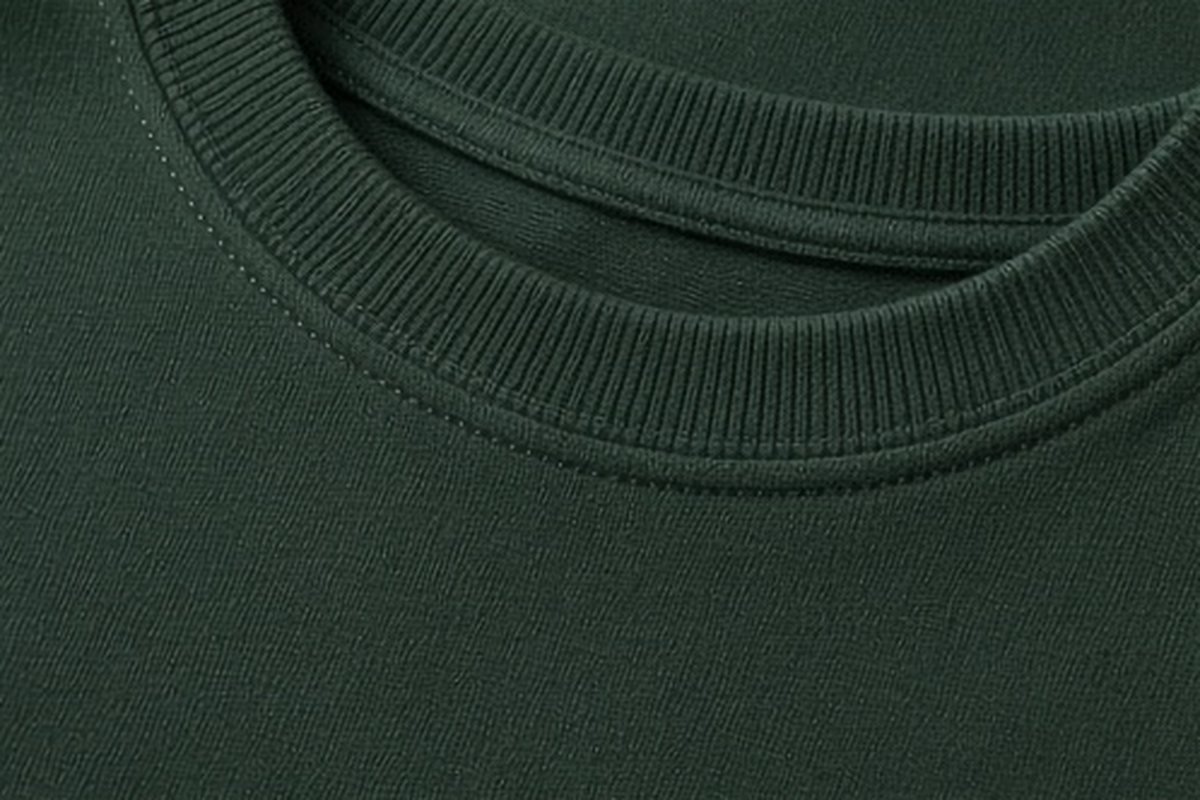
Cotton, wool and linen name fibres. Knit and woven describe ways a textile can be constructed. Those are different layers of information, and confusing them can lead to poor assumptions about how a garment will fit or how it should be cared for. A cotton knit top and a woven cotton shirt need not behave alike simply because they share a fibre name.
You do not need to become a textile specialist to make the distinction useful. Start with the listing and label, look for visible construction clues, and keep predictions modest. Fibre, construction, weight, finishing, blends and the garment's cut all contribute to the result you actually wear.
Think of interlacing and loops
In a basic woven structure, yarns interlace in different directions. In knitting, yarn forms connected loops. These descriptions explain the broad distinction without identifying every possible fabric, finish or specialised structure. A close photograph may show the pattern, but some textiles are too fine or finished to classify confidently from an ordinary image.
Do not force a conclusion when the view is unclear. Ask whether the fabric is knitted or woven if that matters to the purchase. A clear written specification is more useful than a confident guess based on how smooth, soft or substantial the cloth appears on a screen.
Keep fibre percentages on their own line
Read composition as composition. A label stating a cotton percentage does not tell you whether the textile is jersey, a woven shirting or another structure. Likewise, wool does not mean every garment is a sweater, and a dress described with a fibre name still needs construction information.
Write down the fibre details separately from the fabric description. This makes missing information visible. It also reduces the temptation to transfer an experience with one garment to every item made from the same fibre. Two pieces can share a composition while differing substantially in thickness, surface and intended fit.
Do not use stretch as the only test
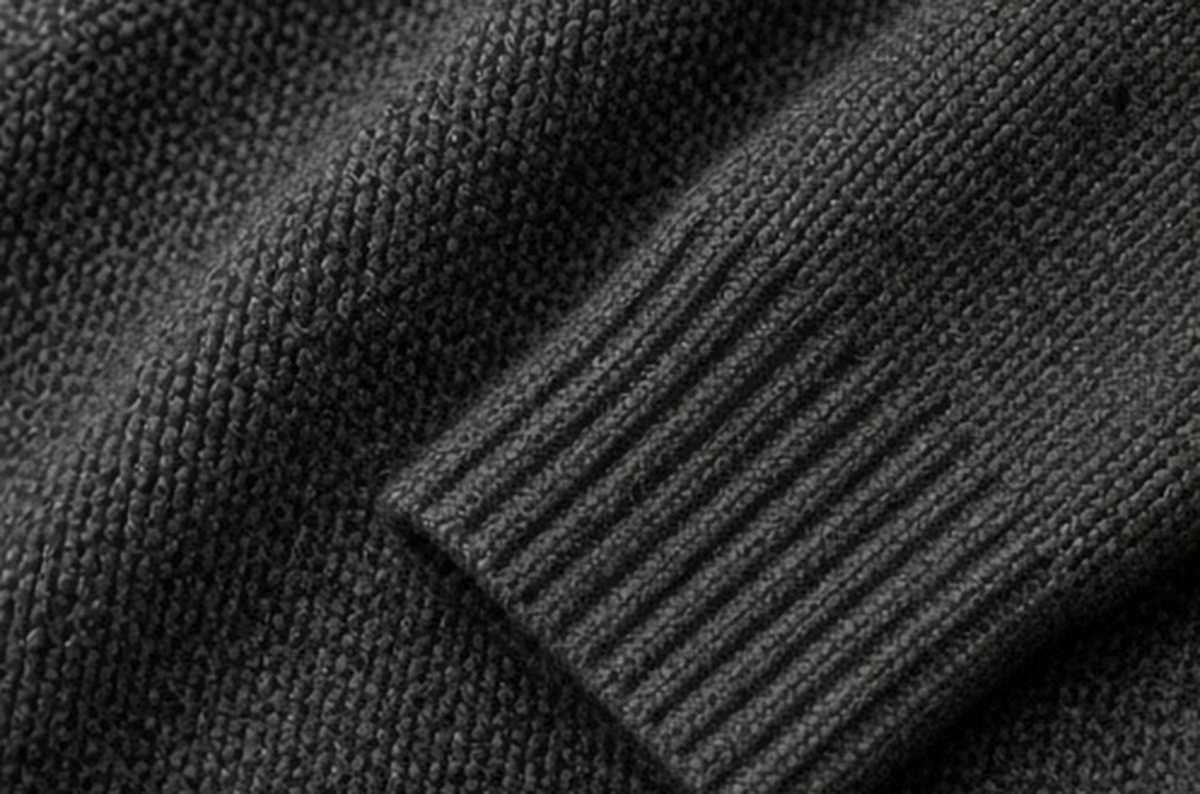
Some knitted fabrics offer noticeable give, but the amount depends on more than the fact of knitting. Woven fabrics can also stretch because of yarn, fibre blend, structure or other design choices. A simple rule that knit stretches and woven does not is too broad to guide every purchase.
Avoid pulling hard on a garment to establish its category, particularly during a fitting or while considering a return. Read any stated stretch information and assess comfortable movement within ordinary use. Construction can inform questions about fit without becoming permission to strain the fabric or assume it will accommodate any measurement mismatch.
Compare garments with similar jobs
When using an existing piece as a reference, choose one that serves a similar role. A relaxed woven overshirt may not provide useful dimensions for a close knit base layer. The intended ease and how the garment sits on the body can differ even when the chest numbers seem similar.
Use the seller's measuring method where possible and note construction differences. If you cannot find a close reference, acknowledge that limitation. Measurements remain useful, but their meaning depends on the garment. A single width is not a complete explanation of how a textile and cut will work together in movement.
Look at edges and shape support
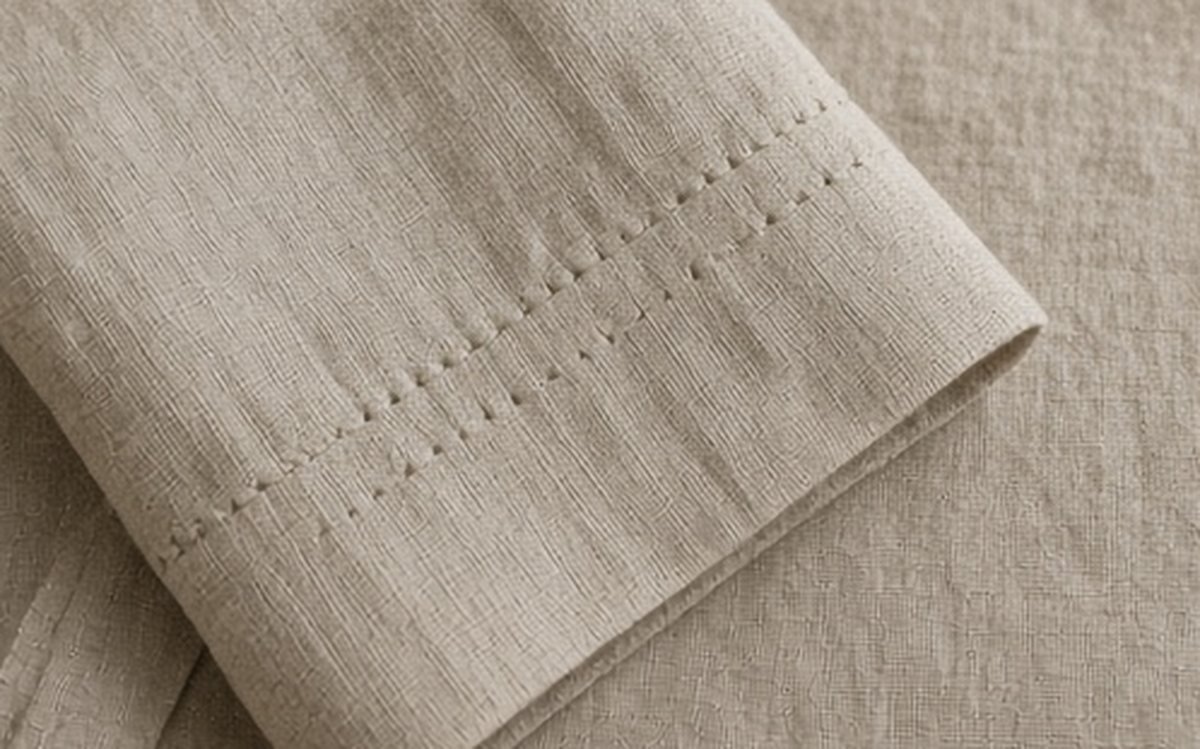
Examine cuffs, necklines, hems and any lining or facing. These details can help explain how the garment's shape is managed. A ribbed edge, bound opening or structured facing may affect the way a piece sits, but the visible detail alone does not prove a quality grade or lifespan.
Ask what you need to know for your use: whether an opening is comfortable, whether a hem lies as you prefer or whether the garment can be layered without bunching. Keep construction literacy connected to those practical questions rather than treating one type of finish as universally superior.
Read care as garment-specific information
Neither the fibre name nor the construction category supplies a complete cleaning recipe. Follow the exact label, including instructions influenced by trims, linings, dyes or other components. A familiar cotton wash routine should not be copied automatically onto every cotton-containing item.
The same caution applies to drying and storage. Do not assume every knit should be handled identically or every woven piece can tolerate the same process. If the label is missing, seek reliable guidance for the particular item rather than choosing a routine from one broad category. Uncertainty should remain visible until you can resolve it.
Use online descriptions critically
A product title may highlight only one attractive detail. Check the full specifications for composition, fabric description and care, and distinguish the garment's name from an actual material statement. Words such as soft, easy or premium do not identify construction in a precise way.
If you ask a seller a question, make it narrow enough to answer: is this fabric knitted or woven, or what is the listed composition? Avoid asking for an absolute prediction about comfort or durability that the information cannot establish. Clear factual questions are more useful than seeking a universal verdict on a fabric family.
Keep a better comparison note
For a garment you enjoy, record the fibre, construction if known, relevant dimensions and how you use it. This gives you a richer reference than cotton top or wool dress alone. Do not convert that reference into a rule that every similar description will produce the same experience.
The practical lesson is to read several layers of information together. Fibre tells you one thing, construction another, and the finished garment adds more. Understanding the distinction can improve fit questions and care decisions without requiring certainty about every textile you encounter or turning ordinary shopping into a technical examination.